After 60, Eating One Banana Every Day Can Seriously Impact Your Health: The Science Behind the Daily Habit
The Biological Shift: Why Nutrition Changes After Sixty
To understand why a banana becomes a potent health intervention after sixty, we must first acknowledge the fundamental physiological changes that define this life stage. Aging is not merely a chronological marker; it is a systemic shift in homeostasis. Sarcopenia, or the gradual loss of muscle mass, begins to accelerate, altering basal metabolic rates and nutrient requirements. Simultaneously, the vascular system loses elasticity, making blood pressure regulation more difficult, while renal function naturally declines, affecting how the body processes minerals like potassium and sodium. In this context, food ceases to be just fuel; it becomes a form of preventative medicine. The banana, often overlooked in favor of trendier superfoods, possesses a nutrient density that aligns remarkably well with these specific geriatric challenges.
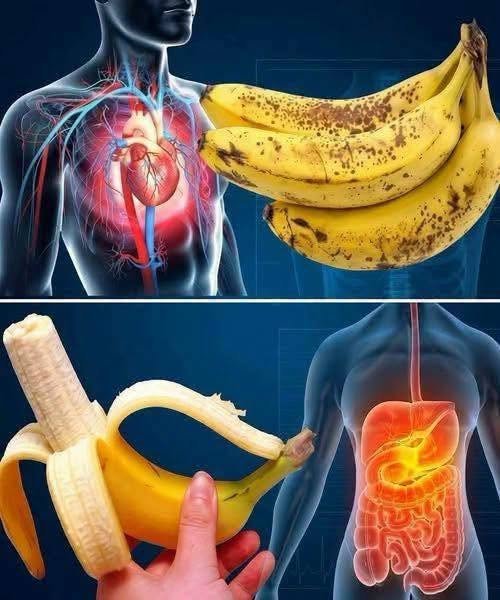
The primary mechanism behind the banana’s impact on senior health lies in its high bioavailability of potassium. Unlike synthetic supplements, which can cause gastrointestinal distress or rapid spikes in serum levels, the potassium in bananas is packaged with fiber and water, allowing for gradual absorption. For an individual over sixty, maintaining adequate potassium intake is critical for counteracting the effects of dietary sodium. Most seniors consume far too much salt and too little potassium, a ratio that directly contributes to arterial stiffness and hypertension. By introducing one banana daily, a senior can ingest approximately 400-450 mg of potassium, helping to restore the sodium-potassium pump efficiency in cell membranes. This cellular balance is the foundation of vascular health, reducing the workload on the heart and lowering the risk of stroke—a leading concern in this demographic.
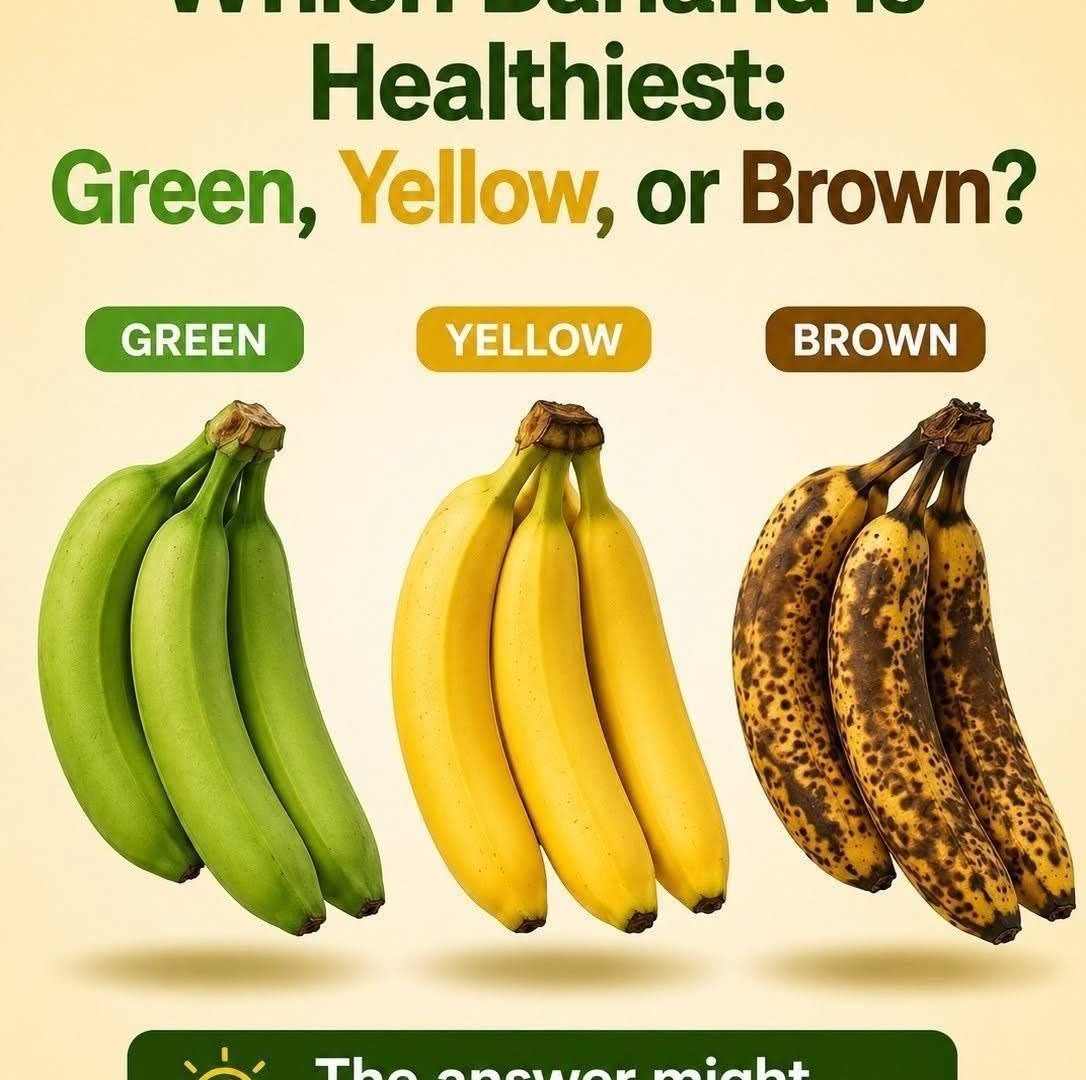
Furthermore, the aging gut undergoes significant changes, including reduced motility and altered microbiome diversity. Constipation affects nearly half of all adults over sixty, often leading to reliance on laxatives that can disrupt electrolyte balance. Bananas contain both soluble and insoluble fiber, specifically pectin and resistant starch. Pectin acts as a prebiotic, feeding beneficial gut bacteria that produce short-chain fatty acids essential for colon health. Resistant starch, particularly in slightly greener bananas, bypasses digestion in the small intestine and ferments in the colon, promoting regularity without the harsh cramping associated with chemical stimulants. This gentle regulation is vital for seniors, as chronic constipation can lead to complications like diverticulitis or hemorrhoids, significantly impacting quality of life. Thus, the daily banana serves as a dual-action therapeutic agent, addressing both cardiovascular stability and gastrointestinal function through natural, synergistic compounds.
Potassium Powerhouse: Cardiovascular Protection for Seniors
Cardiovascular disease remains the number one killer of adults over sixty, making any dietary intervention that supports heart health a priority. The banana’s reputation as a heart-healthy food is well-earned, but the specifics of how it protects the aging heart are often underappreciated. Beyond simple blood pressure reduction, potassium plays a crucial role in preventing arterial calcification. As we age, calcium deposits can build up in the soft tissues of blood vessels, turning them rigid and brittle. Adequate potassium intake has been shown to inhibit this process by promoting urinary calcium excretion and preventing vascular smooth muscle cell proliferation. A daily banana provides a consistent, low-dose defense against this silent hardening of the arteries, preserving vascular compliance and ensuring efficient blood flow to vital organs.
Additionally, the magnesium content in bananas, though modest compared to potassium, works synergistically to support cardiac rhythm stability. Magnesium deficiency is surprisingly common in older adults due to decreased intestinal absorption and increased urinary loss, often exacerbated by medications like diuretics. This mineral is essential for maintaining normal sinus rhythm and preventing arrhythmias such as atrial fibrillation. While one banana won’t cure a magnesium deficit, it contributes to the cumulative daily intake necessary for electrical stability in the heart. When combined with the vasodilatory effects of potassium, this creates a comprehensive cardioprotective effect that is difficult to replicate with isolated supplements. The whole-food matrix ensures that these minerals are absorbed in proportion to the body’s actual needs, minimizing the risk of toxicity while maximizing therapeutic benefit.
Research published in journals such as the Journal of the American College of Cardiology has consistently demonstrated an inverse relationship between potassium intake and stroke mortality in older populations. Women over sixty who consumed higher levels of potassium-rich foods showed a significantly lower risk of ischemic stroke compared to those with low intake. This protective effect appears to be independent of blood pressure changes, suggesting that potassium also influences cerebral blood flow and endothelial function directly. For seniors, this means that the daily banana is not just about managing a number on a cuff; it is about preserving the structural integrity of the brain’s blood supply. Given that stroke recovery is often prolonged and incomplete in older adults, this preventative measure carries immense weight. It transforms a simple snack into a strategic component of long-term neurological and cardiovascular preservation.