Your Legs Will Fail You If You Ignore This: The Doctor’s Urgent Guide to Stronger Legs After 60
The Role of Leucine: Leucine is a specific amino acid that acts as the “switch” for muscle building. Foods rich in leucine include whey protein, dairy products, eggs, and soy. Ensure your meals contain a good source of leucine to trigger muscle growth.
3. Optimize Vitamin D and Calcium
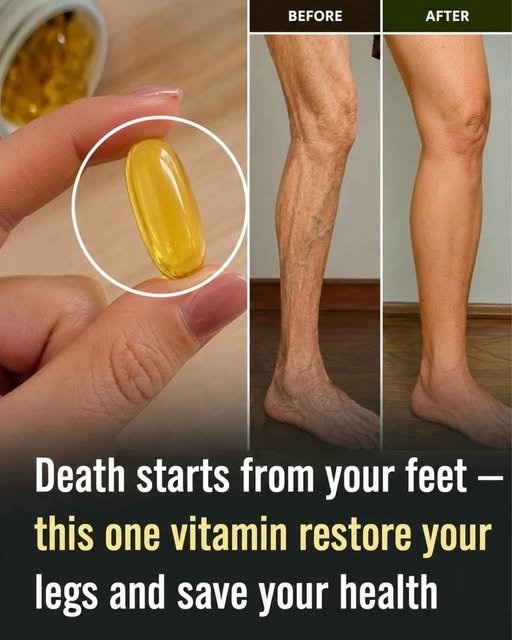
Strong muscles require strong bones to anchor to. Vitamin D is essential for calcium absorption and muscle function. A deficiency in Vitamin D is strongly linked to muscle weakness and falls.
Get Sunlight: Spend 15 to 20 minutes in the sun daily (if possible).
Food Sources: Fatty fish, egg yolks, and fortified dairy or plant milks.
Supplementation: Most older adults require a daily Vitamin D supplement (usually 800 to 1000 IU, but consult your doctor for your specific needs).
4. Master Balance and Proprioception
Proprioception is your body’s ability to sense its position in space. This sense declines with age, contributing to falls. Balance training should be a daily habit.
Balance Exercises:
Heel-to-Toe Walking: Place the heel of one foot directly in front of the toes of the other foot. Walk in a straight line. Use a wall or counter for support if needed.
Single-Leg Stance: Stand behind a sturdy chair. Lift one foot off the ground. Hold for 10 seconds, then switch. Progress to 30 seconds.
Tai Chi: This ancient Chinese practice is scientifically proven to improve balance and reduce the risk of falls in older adults. It involves slow, controlled movements that challenge stability.
5. Hydration and Circulation
Muscles are roughly 75% water. Even mild dehydration can lead to muscle cramps, fatigue, and reduced strength. Drink water throughout the day. Furthermore, to support the “second heart” function of your legs, avoid sitting for long periods. Get up every 30 to 45 minutes to walk around and stimulate blood flow.
Addressing the Medical Roadblocks
If you are experiencing significant leg pain or weakness, it is imperative to rule out underlying medical conditions. Do not simply accept it as “old age.”
Peripheral Artery Disease (PAD)
PAD occurs when plaque builds up in the arteries of the legs, restricting blood flow. It can cause cramping and pain when walking (claudication). If your legs feel heavy or painful after walking short distances, see a doctor for an ankle-brachial index (ABI) test.
Medication Side Effects
Some medications, particularly statins used for high cholesterol, can cause muscle pain and weakness in some individuals. If you start a new medication and notice muscle issues, discuss it with your prescribing physician immediately. Never stop taking a medication without medical advice.
Osteoarthritis
If joint pain in your knees or hips is preventing you from exercising, explore physical therapy. A therapist can teach you low-impact exercises (like swimming or chair-based workouts) that build muscle without aggravating the joints.
The Psychology of Starting: Overcoming the Fear
The doctor’s plea is urgent because the window to act is finite. The longer you wait, the harder it becomes to reverse the decline. If you are afraid of falling or feeling discouraged, start small.
Do not think about running marathons or lifting heavy weights. Focus on the micro-habits. Stand up from your chair without using your hands five times while waiting for the kettle to boil. Do calf raises while brushing your teeth. Eat a yogurt for breakfast. Every small action is a deposit in your “muscle bank account.”
Conclusion: It’s Never Too Late to Build a Stronger Foundation
The viral warning that “your legs will fail you” is not a prophecy of doom; it is a call to action. Aging does bring changes to our bodies, but the rapid decline of leg strength is not inevitable. By understanding the threat of sarcopenia and actively fighting back with resistance training, a protein-rich diet, and daily balance challenges, you have the power to preserve your mobility and your independence.
The doctor is begging you to start tomorrow because the steps you take today determine the life you will live tomorrow. Do not wait for a fall to force you into action. Start with five minutes of sit-to-stands. Add an extra serving of protein to your plate. Challenge your balance while standing at the kitchen sink. Your legs are the foundation of your life; invest in them, and they will carry you for decades to come.
Frequently Asked Questions
Is it normal to lose leg strength as I get older?
While some loss of muscle mass (sarcopenia) is common with aging, the severe weakness that leads to falls and loss of independence is not inevitable. With proper exercise and nutrition, you can build and maintain leg strength well into your 80s and 90s.
What is the best exercise to build leg strength after 60?
The most effective exercises are those that mimic daily activities, like sit-to-stands (squats) and step-ups. These build the quadriceps and gluteal muscles, which are essential for standing up, climbing stairs, and maintaining balance.
How much protein do I need to build muscle after 60?
Older adults need more protein than younger adults to overcome anabolic resistance. Aim for approximately 1.2 to 1.6 grams of protein per kilogram of body weight per day. Distribute this evenly across your meals (e.g., 25-30 grams per meal).
I have knee pain. How can I exercise my legs?
You must consult a doctor or physical therapist first. However, low-impact exercises like swimming, water aerobics, and chair-based leg extensions are excellent ways to build muscle without putting excessive stress on the joints.
Are resistance bands good for older adults?
Yes, resistance bands are fantastic tools for older adults. They are low-cost, gentle on the joints, and provide adjustable resistance, making them a safe and effective way to build leg strength.
How can I improve my balance to prevent falls?
Practice balance exercises daily. Try single-leg stands (holding onto a chair for support) and heel-to-toe walking. Practicing Tai Chi is also highly recommended, as it has been clinically proven to reduce fall risk.
Can vitamin D help my leg strength?
Yes. Vitamin D is crucial for muscle function and bone health. A deficiency in Vitamin D is strongly linked to muscle weakness. Ask your doctor to check your levels and consider supplementation if necessary.
What is the “second heart” in my legs?
The calf muscles act as a “second heart.” When they contract during movement, they help pump blood back up to the heart against gravity. Keeping these muscles strong supports your cardiovascular system and improves circulation.