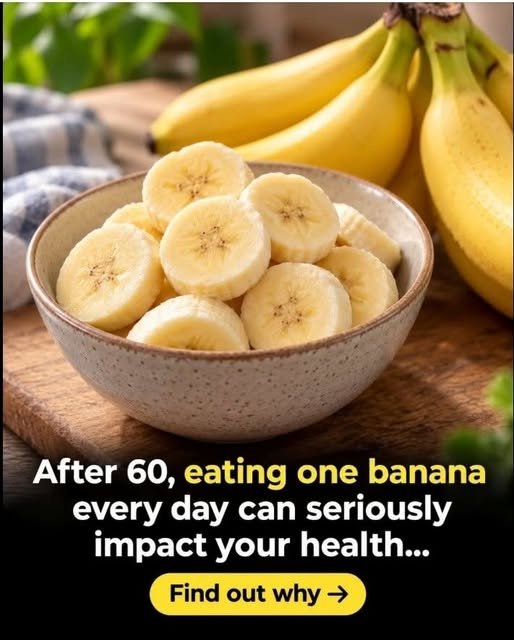
After 60, Eating One Banana Every Day: The Surprising Health Impact, Benefits, and Hidden Risks
Introduction: The Simple Fruit That Divides Medical Opinion
In the landscape of nutritional advice, few foods occupy as contentious a space as the humble banana. For decades, it has been celebrated as a convenient, energy-boosting snack, a staple in lunchboxes, and a trusted remedy for muscle cramps. Yet, for adults over the age of sixty, the daily consumption of this ubiquitous fruit has become a topic of intense debate among nutritionists, cardiologists, and geriatric specialists. A viral social media post recently reignited this conversation, boldly claiming that “eating one banana every day can seriously impact your health” after sixty, a statement that is simultaneously true, nuanced, and potentially alarming depending on the individual’s medical history.
The core of this debate lies in the banana’s dual nature. On one hand, it is a nutrient-dense powerhouse, delivering a concentrated dose of potassium, vitamin B6, dietary fiber, and natural energy—all of which are critical for maintaining cardiovascular health, muscle function, and digestive regularity in later life. On the other hand, its high potassium content and natural sugars can pose significant, even life-threatening, risks for a subset of the aging population, particularly those with compromised kidney function or uncontrolled diabetes. The story of a sixty-year-old woman who was rushed to the emergency room after her daily banana habit pushed her potassium levels to a dangerous 7.2 mEq/L serves as a stark reminder that blanket dietary advice is rarely safe.
This comprehensive guide will dissect the complex relationship between seniors and bananas. We will explore the undeniable benefits, from blood pressure regulation to bone density support, before turning a critical eye to the risks that every older adult—and their physician—must consider. By the end of this article, you will understand why the answer to “Is a daily banana good for you after 60?” is not a simple yes or no, but rather a highly personalized calculation of risk versus reward.
The Nutritional Profile of a Banana: A Double-Edged Sword
To understand the impact of a banana on the aging body, one must first appreciate its precise nutritional composition. A medium-sized banana is far more than just a sweet treat; it is a complex package of macronutrients and micronutrients that interact with human physiology in profound ways.
According to data from the Cleveland Clinic, a medium banana provides approximately 105 calories, nearly 3 grams of dietary fiber, and about 422 milligrams of potassium. It is also rich in vitamin B6, vitamin C, magnesium, and various antioxidant compounds. The potassium content is particularly noteworthy. One medium banana provides around 358 to 400 milligrams of potassium, which represents approximately 9% to 10% of the recommended daily value for adults.
For a sixty-year-old body, these nutrients are not just beneficial; they are often essential. The aging process is characterized by a gradual decline in muscle mass, a slowing of the digestive system, a decrease in bone density, and an increased risk of chronic conditions such as hypertension. The nutrients in a banana—specifically potassium for blood pressure, fiber for digestion, and vitamin B6 for nerve function—directly address several of these age-related challenges. However, the same potassium that offers cardiovascular protection can become a lethal threat if the kidneys, which are responsible for filtering excess potassium from the blood, are not functioning optimally. Therefore, the nutritional profile of a banana is a classic double-edged sword: it offers precisely what a healthy aging body needs, while simultaneously carrying the potential to overwhelm a system that is already compromised.
The Potassium Paradox: Blood Pressure Protection vs. Hyperkalemia Risk
The most discussed element of the banana, particularly in the context of aging, is potassium. This mineral is a critical electrolyte that plays a central role in nerve transmission, muscle contraction—including the heart muscle—and the regulation of blood pressure. The modern Western diet is often high in sodium and low in potassium, a combination that is a known driver of hypertension. For many older adults, increasing potassium intake is a strategic way to counteract the effects of sodium and support heart health.
Research strongly supports the blood-pressure-lowering effects of potassium. A study published in the American Journal of Physiology-Renal Physiology highlights that increasing potassium intake while reducing sodium can effectively manage high blood pressure. “Sodium raises blood pressure, while potassium lowers it,” explains Dr. Daniel Jones, a professor emeritus at the University of Mississippi School of Medicine. For a sixty-year-old, maintaining healthy blood pressure is paramount, as the risk and prevalence of hypertension in women, in particular, begin to exceed that of men after this age. A daily banana can be a simple, accessible tool in this ongoing battle.
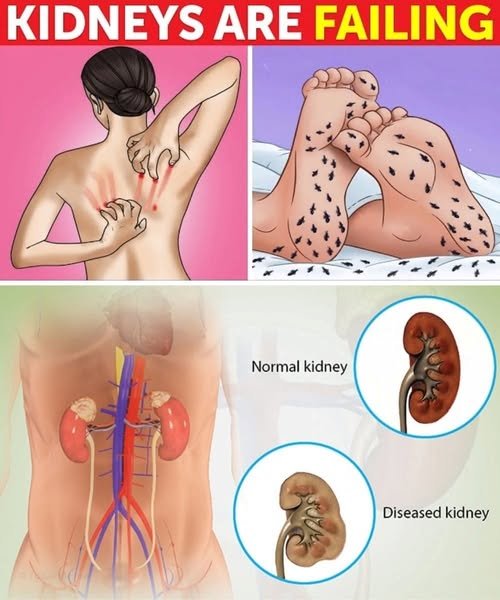
However, this cardiovascular benefit comes with a strict caveat. The kidneys are the body’s primary mechanism for excreting excess potassium. As people age, kidney function naturally declines, and for those with chronic kidney disease (CKD), the ability to filter potassium is significantly impaired. In these individuals, consuming high-potassium foods like bananas can lead to hyperkalemia, a condition characterized by dangerously high levels of potassium in the blood. Hyperkalemia can cause cardiac arrhythmias, muscle weakness, and even paralysis. The upper limit of a healthy blood potassium level is generally around 5.0 to 5.5 mEq/L, and symptoms of hyperkalemia typically begin to appear at much higher levels, around 6.5 to 7.0 mEq/L. For a patient with compromised kidneys, even one banana a day can be the difference between a stable electrolyte balance and a medical emergency, as evidenced by the case of the sixty-year-old woman whose potassium reached a critical 7.2 mEq/L.
The Undeniable Benefits: Why a Daily Banana Supports Healthy Aging
Despite the legitimate risks, the scientific consensus remains that for the majority of healthy older adults, the nutritional benefits of a daily banana far outweigh the potential dangers. The fruit’s unique combination of nutrients addresses several key pillars of healthy aging, from heart health to digestive regularity and even mood regulation.
Cardiovascular Health and Stroke Prevention
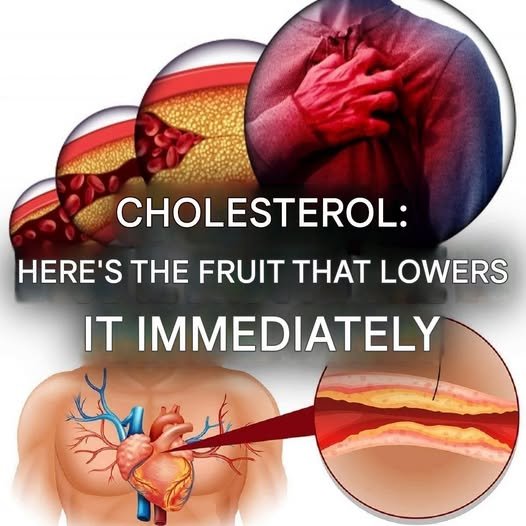
The potassium in bananas is a powerful ally for the aging heart. By helping the body excrete excess sodium, potassium aids in relaxing blood vessel walls, which in turn lowers blood pressure. Harvard Health reports that a diet rich in potassium from natural foods is associated with a reduced risk of high blood pressure and stroke. Some research suggests that regular consumption of potassium-rich foods may reduce the risk of stroke by nearly 24%. Furthermore, bananas provide magnesium, another mineral that is crucial for supporting cardiac function and preventing the muscle cramps that become increasingly common with age. A daily banana, as part of a balanced diet, is therefore a simple and effective strategy for protecting cardiovascular health in the senior years.
Digestive Regularity and Gut Health
Constipation is a frequent complaint among older adults, often resulting from slower intestinal transit, reduced physical activity, and certain medications. The dietary fiber in bananas—approximately 3 grams per medium fruit—plays a vital role in promoting regularity. Fiber adds bulk to stool and helps it retain water, making it easier to pass. Moreover, bananas, especially those that are slightly underripe, contain resistant starch, a type of prebiotic fiber that nourishes beneficial gut bacteria. A healthy gut microbiome is increasingly recognized as a cornerstone of overall health, influencing everything from immunity to mood. For seniors looking to support their digestive system without relying on harsh laxatives, a daily banana is a gentle and effective option.
Muscle Function, Energy, and Bone Density
The loss of muscle mass, known as sarcopenia, is a significant concern for adults over sixty, as it can lead to frailty, falls, and a loss of independence. The potassium in bananas is essential for proper muscle contraction, and adequate intake can help maintain muscle function and prevent cramping. Additionally, the natural carbohydrates in a banana provide a quick, easily digestible source of energy, making it an ideal snack before or after physical activity. Unlike processed energy bars or sugary drinks, a banana delivers this energy along with fiber, vitamins, and minerals.
Emerging research also points to a role for bananas in bone health. The potassium and magnesium found in the fruit help preserve bone mineral density and may offer protection against osteoporosis, a condition that disproportionately affects postmenopausal women. For a sixty-year-old woman, incorporating a banana into her daily routine is a simple dietary habit that supports both muscle and bone health.
Mood, Sleep, and Cognitive Function
The psychological and cognitive benefits of bananas are often overlooked. The fruit contains tryptophan, an amino acid that the body converts into serotonin, a neurotransmitter that regulates mood and promotes feelings of well-being. It is also a rich source of vitamin B6, providing nearly 20% of the daily requirement. Vitamin B6 is involved in red blood cell production, protein metabolism, and the maintenance of healthy nerve function. The need for vitamin B6 increases after age fifty, and a deficiency can lead to anemia, weakened immunity, and cognitive decline.
Furthermore, the combination of tryptophan, vitamin B6, and magnesium in bananas may help improve sleep quality. Tryptophan is a precursor to melatonin, the hormone that regulates the sleep-wake cycle, while magnesium contributes to muscle relaxation. For seniors struggling with insomnia or age-related sleep disturbances, a banana as an evening snack could be a safe and natural way to support restful sleep.