Death Starts from Your Feet: The Truth Behind the Viral “One Vitamin” Leg Restore Claim
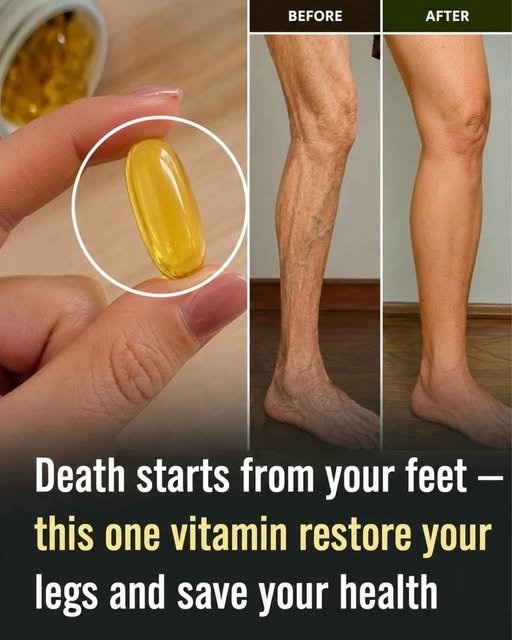
A viral social media post is making a bold and alarming claim: “Death starts from your feet — this one vitamin restores your legs and saves your health.” Accompanied by a split-screen image showing a pair of visibly aged, discolored, and thin legs labeled “Before,” and a pair of smoother, fuller legs labeled “After,” the post promises a simple, miraculous solution. It implies that a single, unnamed vitamin can reverse years of vascular damage, restore muscle mass, and ultimately stave off death itself.
For anyone experiencing leg weakness, poor circulation, or the visible signs of aging in their lower extremities, this claim is incredibly seductive. It offers hope and a simple solution to a complex and often frightening problem. However, the reality of human physiology is far more intricate than a single pill can address. The phrase “death starts from your feet” is a dramatic hook, not a medical diagnosis. While it is true that the health of your legs is a powerful indicator of your overall cardiovascular health, the idea that one vitamin can single-handedly “restore” them is a dangerous oversimplification.
This comprehensive guide will dissect the viral claim. We will explore the real science behind leg health and vascular aging, examine the specific vitamins that are often touted in these posts, detail what the evidence actually says about their effects, and outline the evidence-based strategies that genuinely support the health of your legs and your entire body.
The Kernel of Truth: Why Your Legs Are a Window to Your Health
The viral post’s central premise—that your feet and legs are a critical indicator of health—is not entirely without merit. In medicine, the lower extremities are often described as a “window” to the cardiovascular system. The arteries in your legs are among the longest in your body, and they are particularly vulnerable to the systemic effects of conditions like atherosclerosis (plaque buildup), diabetes, and hypertension.
Peripheral Artery Disease (PAD): A Critical Warning Sign
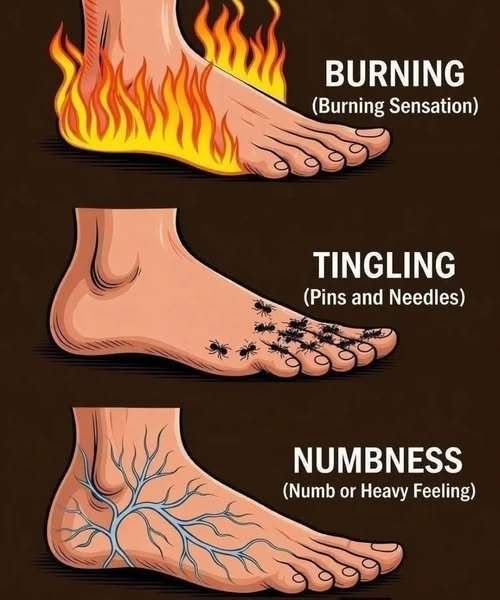
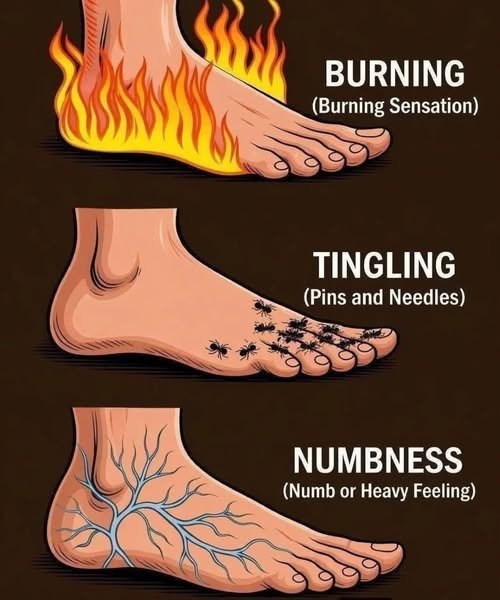
The most significant medical condition associated with the “death starts from your feet” concept is peripheral artery disease (PAD). PAD occurs when atherosclerosis narrows or blocks the arteries supplying blood to the legs and feet. This reduces blood flow, leading to symptoms such as cramping or pain in the legs during walking (claudication), numbness, weakness, and poor wound healing.
PAD is not a localized problem; it is a powerful marker of systemic atherosclerosis. A review in Nature Reviews Cardiology notes that PAD is associated with an equal or higher risk of morbidity and fatal cardiovascular events—such as heart attacks and strokes—compared to coronary artery disease. In this sense, the health of your legs is indeed a predictor of your risk of death from cardiovascular causes. However, this does not mean that a vitamin can reverse the underlying disease process.
The Many Causes of Leg Symptoms
Leg weakness, pain, or changes in appearance are not a single condition with a single cure. They can be caused by a multitude of factors, including:
Neurological Issues: Peripheral neuropathy, often caused by diabetes or vitamin deficiencies (like B12).
Musculoskeletal Issues: Sarcopenia (age-related muscle loss), arthritis, or spinal problems.
Systemic Issues: Heart failure, kidney disease, or medication side effects.
The viral post dangerously conflates all of these into one problem that can be solved with one pill. The reality is that an accurate diagnosis is the essential first step, and the treatment for each of these conditions is different.
The “One Vitamin” Myth: Separating Fact from Fiction
The viral post is deliberately vague about which vitamin it is promoting, a common tactic designed to build curiosity and drive traffic to a sales page. Based on the most common claims circulating online, the “miracle” vitamin is usually one of a few candidates. Let us examine the evidence for each.
Vitamin B12: The Nerve Rebuilder
Vitamin B12 is often promoted for leg health because a deficiency in this vitamin can cause peripheral neuropathy, leading to numbness, tingling, and weakness in the hands and feet. The Merck Manual confirms that B12 deficiency can cause weakness, tingling, and numbness in the limbs.
However, the critical distinction is between treating a deficiency and enhancing health in someone who is not deficient. If your leg symptoms are caused by a B12 deficiency, then B12 supplementation is the correct and necessary treatment. But if your B12 levels are normal, taking more will not restore your legs or reverse vascular aging. Furthermore, a review on nutrition in PAD found “little evidence that antioxidants, vitamins B6 and B12, or essential fatty acid supplements improve clinical outcomes in these patients”.
Vitamin D: The Muscle Strength Factor
Vitamin D is another frequent subject of these viral claims. A deficiency in vitamin D is associated with muscle weakness and increased fatigability. Some sources note that low vitamin D can lead to reduced muscle strength, poor balance, and an increased risk of falls.
Again, the key is deficiency. If you are deficient, correcting it is important for musculoskeletal health. However, the evidence does not support the claim that taking high-dose vitamin D will “restore” your legs if your levels are already sufficient. A review of nutrition in PAD concluded that while low vitamin D synthesis is associated with an increased risk of PAD, the evidence for supplementation improving outcomes is not established.
Vitamin C: The Vascular Antioxidant
Vitamin C is a powerful antioxidant that supports collagen formation in blood vessel walls. This has led to claims that it can restore circulation. The scientific reality is particularly illustrative of why the “one vitamin” claim fails.
Research has shown that an intravenous infusion of high-dose ascorbic acid (vitamin C) can restore leg blood flow in older men by reducing oxidative stress. This is a dramatic finding. However, the same study found that oral supplementation of vitamin C (500 mg/day for 30 days) did not improve leg blood flow in older men. The researchers concluded that oral supplementation does not achieve the high circulating concentrations needed to exert the potent antioxidant effect seen with IV infusion. This means that simply taking a vitamin C pill will not replicate the vascular benefits observed in a clinical setting with an IV.
The Reality of Combination and Prescription Therapies
Where vitamins do show promise is in specific, medically supervised contexts for diagnosed conditions. A 2026 study in Cor et Vasa found that a combination of vitamin K2, vitexin, and vitamin D3 (K2VD3) improved pain-free walking distance in patients with PAD over 12 months. This is not a single vitamin, and it was used as an adjunct to “best medical cure” and lifestyle therapy. It is a targeted intervention for a specific disease, not a universal cure-all.
The Dangers of the “Quick Fix” Mentality
The most significant risk of the viral “one vitamin” claim is not that the vitamin is harmful, but that it is a dangerous distraction. It promotes a “quick fix” mentality that can lead people to delay or avoid seeking proper medical care for serious underlying conditions.
Delayed Diagnosis of Serious Disease
If you are experiencing leg pain, weakness, or changes in circulation, these are not symptoms to self-treat with a supplement. They are potential red flags for PAD, diabetes, heart disease, or neurological disorders. Relying on a vitamin to “restore” your legs could delay a diagnosis of a condition that requires immediate medical intervention, such as medication, angioplasty, or surgery. The FTC has a history of taking action against companies making unsubstantiated claims that supplements can treat serious diseases like nerve pain and circulation issues.
The False Promise of “Reversal”
The “Before” and “After” images in the viral post are almost certainly misleading. They may show temporary effects like reduced swelling from elevation, or they may be digitally altered. The claim that a vitamin can “restore” aged legs by reversing vascular damage or rebuilding significant muscle mass is not supported by science. Vascular aging and sarcopenia are complex, multifactorial processes that require a comprehensive approach, not a single supplement.
Evidence-Based Strategies for Supporting Leg Health
If you are concerned about the health of your legs, the most effective approach is not to search for a magic vitamin, but to adopt a comprehensive, evidence-based strategy. This is especially important if you have risk factors for PAD, such as smoking, diabetes, hypertension, or high cholesterol.
1. Seek a Proper Medical Diagnosis
The first and most critical step is to see a healthcare professional. They can perform a physical examination, check your pulses, and order tests such as an ankle-brachial index (ABI) to diagnose or rule out PAD. They can also order blood tests to check for vitamin deficiencies (like B12 and D) and other underlying conditions. Self-diagnosis is unreliable and potentially dangerous.
2. Prioritize Cardiovascular Exercise
Regular physical activity is one of the most powerful interventions for leg health. For people with PAD, supervised exercise therapy is a first-line treatment. Walking, in particular, can improve circulation, build muscle, and reduce symptoms of claudication. Any exercise program should be started gradually and with medical guidance if you have existing health concerns.
3. Adopt a Heart-Healthy Dietary Pattern
A diet rich in fruits, vegetables, whole grains, and lean proteins supports vascular health. The review in Nature Reviews Cardiology suggests that dietary patterns associated with decreased cardiovascular risk may protect against PAD. This means focusing on a balanced diet rather than a single “superfood” or supplement.
4. Manage Underlying Risk Factors
If you have diabetes, hypertension, or high cholesterol, managing these conditions is paramount. This often requires a combination of medication, dietary changes, and lifestyle modifications. Uncontrolled risk factors are the primary drivers of vascular damage.
5. Address Specific Deficiencies if Present
If a doctor diagnoses a specific vitamin deficiency (such as B12 or D) through blood tests, then targeted supplementation is appropriate. This is a medical treatment for a diagnosed condition, not a general health tonic.
Conclusion: Beyond the Mirage of a Miracle Pill
The viral claim that “death starts from your feet” and that “one vitamin” can restore your legs is a textbook example of health misinformation. It takes a kernel of truth—that leg health is a vital indicator of cardiovascular wellness—and wraps it in a dangerous, oversimplified fantasy.
The scientific evidence is clear: while specific vitamins are essential for nerve and muscle function, and while certain combinations of vitamins may offer benefits for patients with diagnosed conditions under medical supervision, no single oral vitamin has been shown to reverse vascular aging, restore muscle mass, or “save your health” on its own. The dramatic before-and-after images are marketing, not medicine.
Your legs are indeed a window to your health, but the view they offer is complex. It requires a proper medical diagnosis, a comprehensive approach that includes exercise, diet, and risk factor management, and a healthy skepticism toward any product that promises a miracle in a bottle. By investing in evidence-based care rather than a quick fix, you can genuinely support the long-term health of your legs and your entire body.
Frequently Asked Questions
Is it true that “death starts from your feet”?
This is a dramatic metaphor, not a medical fact. However, it reflects a real medical principle: the health of your legs, particularly the arteries supplying them, is a strong indicator of your overall cardiovascular health. Conditions like peripheral artery disease (PAD) are associated with a significantly increased risk of heart attacks, strokes, and mortality. So, while death does not literally “start” in the feet, poor leg health is a serious warning sign that should not be ignored.
Can a single vitamin really restore my legs?
No. The claim that one vitamin can “restore” aged or damaged legs is not supported by scientific evidence. Leg health is influenced by multiple factors, including circulation, nerve function, muscle mass, and joint health. While correcting a specific vitamin deficiency (like B12 or D) is important for treating certain symptoms, no single oral vitamin has been shown to reverse vascular disease or rebuild significant muscle mass on its own.
Which vitamin is the viral post likely referring to?
The post is deliberately vague, a common marketing tactic. The “miracle” vitamin is usually one of a few common candidates, such as Vitamin B12 (promoted for nerve health), Vitamin D (for muscle strength), or Vitamin C (for vascular antioxidant effects). However, the evidence for any of them as a standalone cure-all is lacking.
I have leg pain and weakness. What should I do?
You should see a doctor for a proper diagnosis. Leg symptoms can be caused by many different conditions, including peripheral artery disease, neuropathy, or musculoskeletal issues. Relying on a supplement could delay the diagnosis of a serious condition that requires specific medical treatment.
Are there any vitamins that are good for leg health?
Vitamins are essential for normal bodily function, including the health of your nerves, muscles, and blood vessels. If you have a diagnosed deficiency in a vitamin like B12 or D, then correcting it with supplementation is important and can improve symptoms. However, for people who are not deficient, taking extra vitamins has not been proven to “restore” leg health or reverse aging.
What actually works to improve leg health?
The most effective strategies are comprehensive and evidence-based. These include getting a proper medical diagnosis, engaging in regular cardiovascular exercise (like walking), eating a heart-healthy diet, managing underlying conditions like diabetes and high blood pressure, and, if diagnosed with a deficiency, taking targeted supplements under a doctor’s guidance.
Why are the before-and-after photos misleading?
The dramatic before-and-after photos in these viral posts are often the result of differences in lighting, angle, and temporary effects like reduced swelling from elevation. They are designed to create a compelling visual narrative that supports the sales pitch, but they are not a reliable representation of the effects of taking a vitamin.