Which Egg Is From The Healthiest Chicken? Debunking the Yolk Color Myth
The Broader Implications: The Intersection of Animal Welfare and Nutrition
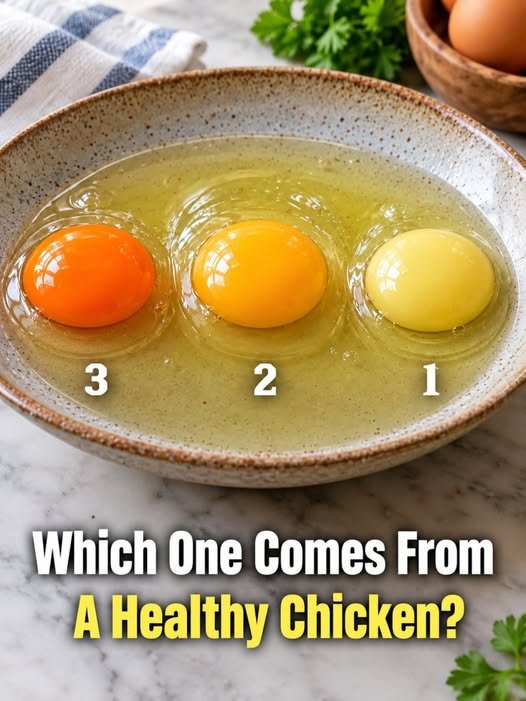
The viral image of the three eggs is more than just a fun trivia question. It is a window into the complex relationship between what we eat, how our food is produced, and the welfare of the animals involved. The quest to identify the “healthiest” egg reflects a growing consumer desire for transparency and ethical farming practices.
The Consumer’s Power
When consumers choose eggs based on welfare certifications rather than just yolk color, they send a powerful message to the industry. They signal that they are willing to pay a premium for chickens that are allowed to express their natural behaviors, forage, and live free from the stress of confinement. This market pressure is slowly shifting the agricultural landscape, making pasture-raised and organic options more accessible.
Conclusion: The Verdict on the Three Yolks
So, which egg comes from the healthiest chicken? The answer is Number 3, but with a significant caveat. In a natural, uncorrupted system, the deep orange yolk of Yolk 3 is the most likely to have come from a hen that lived a healthy, active, pasture-foraging life. The vibrant color is a testament to a diet rich in green plants and insects.
However, in the modern supermarket, that deep orange color can be easily faked with feed additives. Yolk 1 and Yolk 2 are not inherently unhealthy; they just reflect different dietary staples like wheat or corn. The true measure of a healthy chicken lies not in the color of the yolk, but in the story of how the egg was produced. By looking for Pasture-Raised and Certified Organic labels, you can be confident that you are supporting a system that prioritizes the health and well-being of the chicken, regardless of what shade of gold ends up in your frying pan.
Frequently Asked Questions
1. Which is the healthiest egg yolk color? There is no single “healthiest” color, as it depends on the chicken’s diet. However, a deep orange yolk (like #3) often indicates a diet rich in natural carotenoids from pasture, which can correlate with better animal welfare and higher levels of certain nutrients like lutein and Vitamin A.
2. Why are some egg yolks pale yellow and others bright orange? Yolk color is determined by the type and amount of carotenoids (pigments) in the hen’s feed. Wheat-based diets produce pale yolks, yellow corn produces bright yellow yolks, and diets rich in alfalfa, marigold, or green pasture produce deep orange yolks.
3. Can a chicken be unhealthy and still lay a dark orange egg? Yes. Commercial egg producers can add natural or synthetic pigments (like marigold extract) to a confined hen’s feed to artificially darken the yolk and appeal to consumers. A dark yolk does not guarantee the hen had outdoor access or a healthy life.
4. Is a pale yellow yolk less nutritious? Not necessarily. While a pale yolk may have lower levels of certain antioxidants like lutein, the overall protein, fat, and calorie content is virtually identical to a darker yolk. The nutritional difference is small and largely related to the specific pigments.
5. Do free-range chickens always lay dark orange eggs? No. Free-range chickens that forage on green pasture usually lay darker eggs, but this depends on the quality of the pasture and the season. If the pasture is dry or they are fed a supplemental grain diet, the yolks may be lighter.
6. How can I tell if an egg is truly from a healthy chicken? Look for third-party certifications on the carton. Labels like “Pasture-Raised” and “Certified Organic” are the most reliable indicators that the hens had access to the outdoors, a natural diet, and better living conditions.
7. Does a darker yolk mean the egg tastes better? Many people believe darker yolks have a richer, creamier flavor. While some studies suggest pasture-raised eggs may have a more complex flavor profile, taste is subjective. The color itself does not inherently change the flavor, but the diet that creates the color can influence it.
8. What does a thick egg white tell you? A thick, firm egg white (albumen) is a strong indicator of freshness. As eggs age, the proteins in the white break down, causing it to become thin and watery. A prominent, firm chalaza (the white ropey part) is also a sign of a fresh, high-quality egg.