Which Egg Is From The Healthiest Chicken? Debunking the Yolk Color Myth
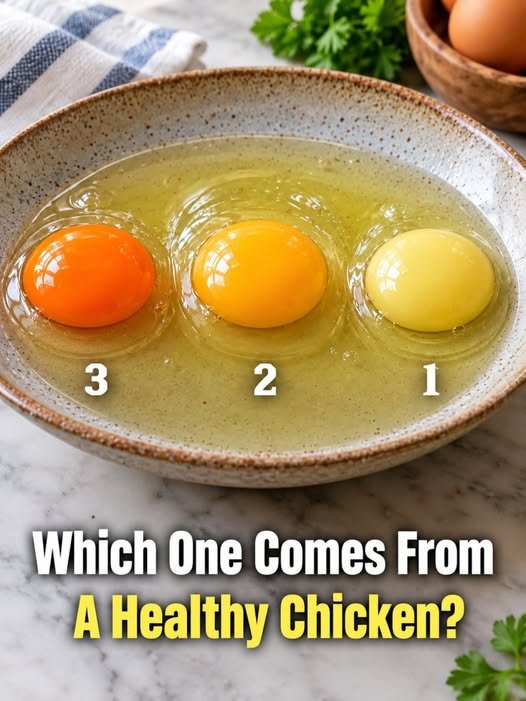
To solve the mystery of the three yolks, we must first understand the biological mechanism that gives them their color. Egg yolks do not naturally possess the ability to create yellow or orange pigments from scratch. Instead, the color is entirely dependent on the carotenoids present in the chicken’s diet. These fat-soluble pigments are absorbed by the hen’s digestive system and deposited directly into the developing yolk.
The Carotenoid Family: Xanthophylls at Work
The specific class of carotenoids responsible for yolk color are known as xanthophylls. The two most important players are lutein and zeaxanthin. When a chicken consumes plants containing these pigments, they are absorbed and transported to the ovary, where they are integrated into the yolk. The concentration and type of these xanthophylls determine the final shade.
Pale Yellow (Yolk 1): This color typically results from a diet heavily based on white corn or wheat. These grains contain very low levels of xanthophylls. A hen raised on this diet will produce a pale yolk, but it does not necessarily mean the hen is unhealthy.
Bright Yellow (Yolk 2): This is the most common yolk color found in standard supermarket eggs. It usually indicates a diet based on yellow corn or alfalfa meal, both of which contain moderate levels of lutein and zeaxanthin.
Deep Orange (Yolk 3): This vibrant hue is the result of a diet rich in specific, highly pigmented plants. Hens that forage on lush green pasture, or those fed diets supplemented with marigold extract, red pepper, or alfalfa, will produce deep orange yolks.