The Ultimate Classic Homemade Banana Pudding: A Step-by-Step Guide to the Perfect Southern Dessert
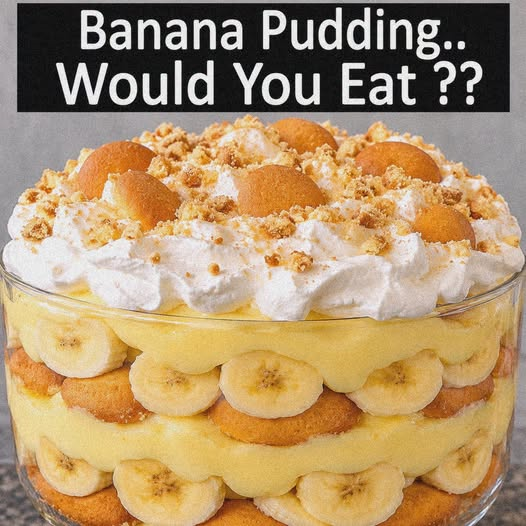
There is a certain kind of magic that happens when the words “banana pudding” are spoken in a Southern household. It is not merely a dessert; it is a culinary memory, a centerpiece at family reunions, church potlucks, and holiday gatherings. The image before us captures the pure, unadulterated joy of this classic dish: a large, clear glass bowl revealing distinct, beautiful layers of golden vanilla wafers, bright yellow pudding, and fresh banana slices, all crowned with a cloud of whipped topping and a generous sprinkle of crushed cookies.
The text above the image asks a simple, almost rhetorical question: “Banana Pudding.. Would You Eat ?? “ The answer for millions of people is a resounding yes. It is a dessert that bridges generations, offering a perfect symphony of textures and flavors. The soft, pillowy pudding, the tender, sweet bananas, the slight crunch of the cookies, and the airy lightness of the whipped cream combine to create an experience that is deeply comforting.
This comprehensive guide will take you on a deep dive into the world of classic homemade banana pudding. We will explore the rich history of the dish, deconstruct the exact ingredients provided in the recipe, provide a meticulous, step-by-step masterclass on how to assemble the perfect bowl, and offer a wealth of professional secrets to ensure your pudding is the best anyone has ever tasted. By the end of this article, you will be ready to create a stunning, delicious masterpiece that will have your family and friends begging for the recipe.
The Rich History of a Southern Icon
To truly appreciate a classic banana pudding, you must first understand its roots. While it is a staple of the American South, its origins are a fascinating blend of global trade and industrial innovation.
The Arrival of the Banana
Bananas are not native to North America. They were introduced to the United States in the late 19th century, primarily through the bustling ports of New Orleans and New York. Initially, bananas were a luxury import, wrapped in foil and sold at a premium. However, as trade routes improved and companies like United Fruit began mass-producing and transporting them in refrigerated ships, bananas became widely available and affordable.
The Invention of the Vanilla Wafer
At the same time bananas were becoming popular, the National Biscuit Company (later known as Nabisco) introduced the vanilla wafer in 1901. Originally marketed as a substitute for ladyfingers, these small, light, and crispy cookies were designed to be easily digested. It did not take long for home cooks in the South to realize that these cookies were the perfect companion to the new, exotic fruit. The vanilla wafer provided the necessary structure and a delightful crunch to balance the softness of the bananas.
The Evolution of the Recipe
The earliest versions of banana pudding were labor-intensive. Cooks had to make a true custard from scratch, carefully tempering eggs, milk, and sugar over a double boiler. The pudding was then layered in a glass dish with sliced bananas and vanilla wafers, often topped with a fluffy meringue made from the leftover egg whites.
However, the mid-20th century brought a revolution to home cooking: the invention of instant pudding. By the 1950s, the recipe had evolved into the version we know today, utilizing instant vanilla pudding, sweetened condensed milk, and frozen whipped topping. This modern iteration democratized the dessert, making it incredibly fast, foolproof, and accessible to everyone, cementing its status as the ultimate Southern comfort food.
Deconstructing the Recipe: The Anatomy of the Perfect Bowl
The recipe provided in the image is a classic modern rendition. Let us examine each component to understand why it works and how it contributes to the final masterpiece.
The Pudding Base: Creamy and Rich
The foundation of the pudding is a blend of four key ingredients:
Instant Vanilla Pudding Mix: This acts as the thickening agent, providing the structural backbone of the dessert.
Cold Milk: The liquid used to hydrate the pudding mix and create the initial creamy texture.
Sweetened Condensed Milk: This is the secret weapon. It adds a rich, velvety smoothness, a subtle caramel-like depth, and an intense sweetness that elevates the dessert from basic to luxurious.
Vanilla Extract: Enhances the flavor profile, ensuring that the vanilla notes are prominent and distinct.
The final ingredient, whipped topping, is gently folded into the pudding mixture at the end. This aerates the base, creating a light, mousse-like consistency that prevents the dessert from feeling too heavy.
The Texture and Flavor: Bananas and Wafers
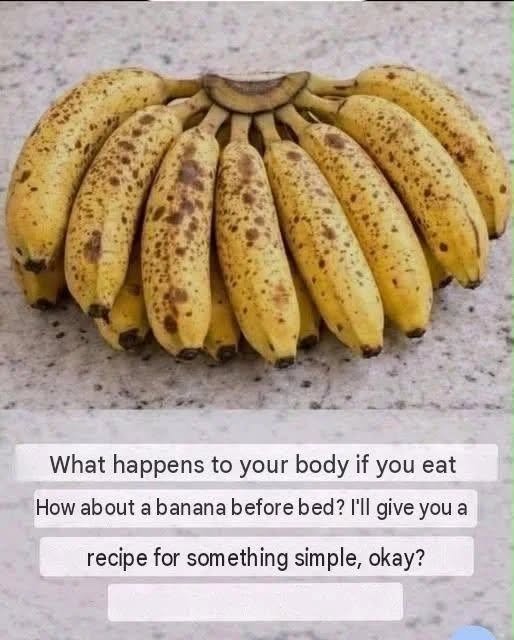
Ripe Bananas: The star of the show. It is crucial to use bananas that are perfectly ripe—yellow with a few brown spots. They must be sweet, soft, and fragrant.
Vanilla Wafers: These cookies serve a dual purpose. When layered at the bottom and middle, they absorb the moisture from the pudding and the bananas, transforming from a crisp cookie into a soft, cake-like layer. When crushed and sprinkled on top, they provide a textural crunch that contrasts beautifully with the smooth pudding.
The Ingredients: A Detailed Breakdown
To ensure the best possible outcome, let us look at the precise quantities and the role they play in the final dish.
1 box (5.1 oz) instant vanilla pudding mix: Do not use cook-and-serve pudding. The instant variety sets up beautifully without the need for heating.
3 cups cold milk: Whole milk is highly recommended for its richness.
1 can (14 oz) sweetened condensed milk: This binds the pudding, adding a luxurious mouthfeel.
1 tsp vanilla extract: Pure vanilla extract is preferred over imitation for the best flavor.
1 container (8 oz) whipped topping, thawed: This provides the airy volume and stability.
4–5 ripe bananas, sliced: The exact number depends on their size and how heavily you layer them.
1 box vanilla wafers: You will need enough to create multiple layers and to crush for the topping.