Meta Description: Make authentic Hungarian stuffed peppers (töltött paprika) with juicy pork and rice, simmered in a rich tomato-paprika sauce. Served with creamy mashed potatoes.
Primary Focus Keyword: Hungarian stuffed peppers
Secondary Keywords: töltött paprika, stuffed peppers recipe, Hungarian stuffed peppers, paprikás stuffed peppers, Hungarian comfort food, tomato paprika sauce, stuffed bell peppers, Hungarian family dinner
Search Intent: Informational and transactional (home cooks seeking a traditional, hearty meal)
Relevant Recipe Tags: töltött paprika, Hungarian stuffed peppers, stuffed bell peppers, paprika, tomato sauce, mashed potatoes, comfort food, Hungarian cuisine
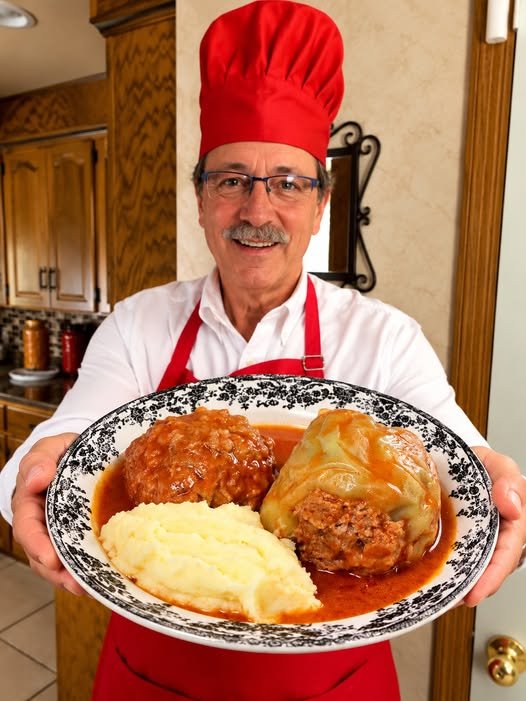
Suggested Featured Image Alt Text: A plate of Hungarian stuffed peppers (töltött paprika) in rich tomato sauce served with a generous portion of creamy mashed potatoes.
Introduction
Hungarian stuffed peppers, known as töltött paprika, is one of the most beloved and deeply comforting dishes in Hungarian home cooking. It is a meal that appears on family tables across the country, from simple weeknight dinners to festive Sunday gatherings, and it embodies the generous, paprika-forward spirit of Central European cuisine. Sweet bell peppers are filled with a savory mixture of ground meat, rice, and aromatic seasonings, then gently simmered in a rich, ruby-red tomato and paprika broth until the peppers are tender and the filling is juicy. The dish is traditionally served with a generous spoonful of the sauce and a hearty side of creamy mashed potatoes or crusty bread to soak up every last drop.
What sets Hungarian stuffed peppers apart from similar dishes around the world is the unmistakable presence of Hungarian paprika and the subtle tang of sour cream. The paprika is not merely a garnish; it is the soul of the dish, infusing both the filling and the sauce with its sweet, earthy warmth and vibrant color. The sour cream, often served alongside or swirled into the sauce, adds a cooling richness that balances the deep, savory flavors. Together, these two ingredients transform a simple stuffed pepper into something distinctly Hungarian and utterly satisfying.
This recipe is designed for the home cook who wants a reliable, step-by-step guide to making töltött paprika from scratch. It covers the selection of ingredients, the preparation of the filling and sauce, the gentle simmering technique that ensures the peppers hold their shape, and the classic accompaniments that make this a complete meal. Whether you are new to Hungarian cooking or looking to recreate a cherished family recipe, this guide provides the detail and practical advice you need. The version pictured here—plump stuffed peppers in a glossy tomato sauce, served alongside a mound of buttery mashed potatoes—is the quintessential presentation, and it is well within reach of any home kitchen.
Recipe Overview
Detail
Information
Preparation time
30 minutes
Cooking time
50–60 minutes
Total time
Approximately 1 hour 30 minutes
Servings
6 servings
Difficulty level
Medium
Cooking method
Stuffing, simmering in sauce
Cuisine
Hungarian
Course
Main course
Estimated calories per serving
Approximately 450–550 kcal (including mashed potatoes; estimate varies with meat fat content and portion size)
The total time reflects the need to prepare the filling, hollow out the peppers, and let the dish simmer gently until the flavors meld. The active work is concentrated in the first thirty minutes; after that, the pot does most of the work. This is a dish that can be made ahead and reheated, and it often tastes even better the next day as the flavors deepen. The recipe is forgiving enough for a weeknight but special enough for a weekend dinner with family or friends.
What Is Töltött Paprika?
Töltött paprika translates simply as “stuffed pepper,” and it is a dish with deep roots in Hungarian home cooking. The concept of stuffing vegetables with meat and rice is widespread across Central and Eastern Europe, but the Hungarian version is distinguished by its use of sweet Hungarian paprika and its rich, tomato-based sauce. The peppers are typically filled with a mixture of ground pork (often combined with beef), parboiled rice, onions, garlic, eggs, and seasonings, then simmered in a broth made from tomato sauce or crushed tomatoes, paprika, and sometimes a touch of sugar to balance the acidity.
While the dish is often associated with summer, when peppers are at their peak, it is enjoyed year-round. The peppers themselves can be any color—red, yellow, or orange are common, and traditional Hungarian sweet wax peppers are sometimes used when available. The filling is typically a 50/50 blend of pork and beef, though some families use all pork or a lighter mixture of turkey or chicken. The rice in the filling is partially cooked before stuffing, which ensures it finishes cooking evenly inside the pepper without becoming mushy or remaining hard.
The sauce is a defining element. It is not a thin broth but a rich, paprika-infused tomato sauce that is sometimes thickened with a light roux (rántás) to give it body and a velvety texture. The finished dish is served with the sauce spooned generously over the peppers, and it is almost always accompanied by mashed potatoes, boiled potatoes, or crusty bread. A dollop of sour cream is a traditional finishing touch, adding a cool, creamy contrast to the warm, paprika-rich sauce.
In Hungarian cuisine, töltött paprika is a close relative of töltött káposzta (stuffed cabbage), sharing the same basic filling and sauce-building technique but using peppers instead of cabbage leaves. It is a dish that reflects the resourcefulness and generosity of Hungarian home cooking: simple ingredients, treated with care, transformed into something deeply nourishing and satisfying.
Ingredients You Will Need
This recipe makes 6 generous servings, using 6 medium bell peppers and a flavorful meat-and-rice filling. The quantities can be easily doubled for a larger gathering.
For the Stuffed Peppers
6 medium bell peppers (any color; red, yellow, or orange are traditional and sweet)
1 pound (450 g) ground pork
½ pound (225 g) ground beef (or use all pork for a richer version)
¾ cup (150 g) long-grain white rice, rinsed and parboiled for 8 minutes, then drained
1 teaspoon caraway seeds, lightly crushed (optional, for traditional flavor)
For the Tomato Paprika Sauce
2 tablespoons unsalted butter or vegetable oil
2 tablespoons all-purpose flour (for the roux, optional but recommended)
2 cups (480 ml) crushed tomatoes or tomato passata
2 cups (480 ml) chicken broth or water
1 teaspoon Hungarian sweet paprika (added off the heat)
1 teaspoon granulated sugar (to balance acidity)
Salt and freshly ground black pepper, to taste
For Serving
Creamy mashed potatoes (see note below)
Sour cream, for garnish (optional but traditional)
Fresh crusty bread, for soaking up the sauce
A note on the mashed potatoes: The version in the photograph is served with a generous portion of smooth, buttery mashed potatoes, which is a classic pairing for töltött paprika in many Hungarian homes. To make them, boil about 2 pounds (900 g) of peeled, cubed potatoes in salted water until tender, then mash with 4 tablespoons of butter, ½ cup of warm milk or cream, and salt to taste. Keep them warm while the peppers finish cooking.
A note on the rice: Parboiling the rice is an important step. Raw rice will not cook through in the time it takes the meat to cook, and fully cooked rice will turn mushy during the simmer. Parboiling for about 8 minutes gives the rice a head start without overcooking it. Drain it well before adding it to the filling.
Choosing the Best Ingredients
The quality of a töltött paprika depends on the peppers, the meat, and the paprika itself.
Peppers. Choose firm, glossy bell peppers with thick walls that will hold their shape during simmering. Red, yellow, and orange peppers are sweeter than green peppers and are preferred for this dish. Traditional Hungarian sweet wax peppers are excellent if you can find them, as they have a thinner skin and a delicate sweetness. Avoid peppers with soft spots or wrinkled skin. If you use green peppers, the dish will be slightly more bitter, which some cooks prefer for balance.
Meat. A combination of ground pork and ground beef is traditional and provides the best balance of flavor and texture. Pork contributes richness and juiciness, while beef adds depth. Choose meat with a moderate amount of fat (about 20% fat) so the filling stays moist during cooking. If you prefer a lighter version, ground turkey or chicken can be used, but the filling will be less rich.
Rice. Long-grain white rice is the standard choice. It holds its shape better than short-grain rice and absorbs the flavors of the filling without becoming sticky. Parboiled rice is convenient, but you can also use regular long-grain rice and parboil it yourself.
Paprika. Use fresh, high-quality Hungarian sweet paprika (édes nemes) for the best color and flavor. Avoid stale or generic paprika, which can taste dusty. A small amount of hot paprika can be added for heat, but the sweet paprika should be the dominant spice.
Tomatoes. Crushed tomatoes or tomato passata provide the base for the sauce. Choose a brand with a thick, rich texture and no added sugar or excessive seasoning. If the tomatoes are very acidic, a teaspoon of sugar helps balance the sauce.
Onion and Garlic. Fresh onion and garlic are essential for building the flavor base. Use firm, heavy onions and fresh garlic cloves, and chop them finely so they distribute evenly through the filling and sauce.
Sour Cream. Use full-fat sour cream for the garnish. It adds a cool, creamy contrast to the paprika-rich sauce and is a traditional finishing touch.
Kitchen Equipment
You do not need specialized equipment to make töltött paprika, but a few tools make the process easier.
Essential Equipment:
A large, heavy-bottomed pot or Dutch oven with a lid, wide enough to hold the peppers in a single layer.
A large mixing bowl for the filling.
A sharp knife and a cutting board for preparing the peppers, onions, and garlic.
A wooden spoon or spatula for stirring the sauce and filling.
A small saucepan for making the roux (if using).
A ladle for spooning the sauce over the peppers.
A potato masher or ricer for the mashed potatoes.
Useful but Optional Equipment:
A small spoon or melon baller for hollowing out the peppers.
A kitchen scale for accurate measurement of the meat and rice.
A fine-mesh sieve for draining the parboiled rice.
A serving platter with a rim to hold the sauce.
Do not use a pot that is too small; the peppers need room to simmer gently without being packed too tightly, which can cause them to break apart.
Step-by-Step Cooking Instructions
Stage 1: Prepare the Peppers and Filling
Prepare the peppers. Wash the bell peppers and pat them dry. Cut off the tops about ½ inch below the stem, reserving the tops. Remove the seeds and membranes from the inside of each pepper, being careful not to pierce the walls. Lightly season the inside of each pepper with salt and set them aside. Finely chop the reserved pepper tops (discard the stems) and set aside; they will be added to the filling.
Parboil the rice. Bring a small pot of salted water to a boil. Add the rinsed rice and cook for 8 minutes, then drain well. The rice should be partially cooked—still firm in the center but no longer raw. Set aside to cool slightly.
Make the filling. In a large mixing bowl, combine the ground pork, ground beef, parboiled rice, half of the chopped onion, the minced garlic, beaten egg, 1 tablespoon of the sweet paprika, salt, black pepper, parsley (if using), caraway (if using), and the chopped pepper tops. Mix gently with your hands or a spatula until just combined. Do not overmix, or the filling will become dense. To test the seasoning, fry a small patty of the filling in a skillet and taste it; adjust the salt and paprika if needed.
Stuff the peppers. Fill each hollowed pepper about three-quarters full with the meat mixture, pressing gently but not packing it tightly. The rice will expand as it cooks, so leave a little room. If you have any leftover filling, roll it into small meatballs and add them to the pot with the peppers.
Stage 2: Build the Sauce and Simmer
Sauté the remaining onion. In the large pot, heat the butter or oil over medium heat. Add the remaining chopped onion and cook for 5–7 minutes, until soft and translucent. Do not let it brown.
Add the paprika off the heat. Remove the pot from the heat and stir in the remaining 1 tablespoon of sweet paprika. Stir for 20–30 seconds to bloom the paprika without burning it. This step is crucial for the flavor of the sauce.
Add the tomatoes and broth. Return the pot to medium heat. Add the crushed tomatoes, chicken broth, sugar, salt, and pepper. Stir to combine and bring to a gentle simmer.
Add the stuffed peppers. Stand the stuffed peppers upright in the sauce, along with any meatballs. The sauce should come about halfway up the sides of the peppers; add a little more broth or water if needed. Spoon some sauce over the tops of the peppers.
Simmer gently. Cover the pot and reduce the heat to low. Simmer for 40–45 minutes, until the peppers are tender and the filling is cooked through. The internal temperature of the filling should reach 160°F (71°C) for pork and beef. Check the pot occasionally to make sure the sauce is simmering gently, not boiling hard, and add a splash of broth if it reduces too much.
Stage 3: Thicken the Sauce (Optional but Recommended)
Make a roux (optional). For a thicker, glossier sauce, make a light roux. In a small saucepan, melt 2 tablespoons of butter over medium heat. Whisk in 2 tablespoons of flour and cook for 1–2 minutes, until the mixture is pale golden and smells nutty. Remove from the heat.
Temper the roux. Carefully ladle about ½ cup of the hot sauce from the pot into the roux, whisking constantly until smooth. Then pour the roux mixture back into the pot with the peppers, stirring gently to combine.
Simmer to thicken. Simmer the sauce uncovered for 5–10 minutes, until it is slightly thickened and glossy. Taste and adjust the salt, pepper, and sugar if needed.
Stage 4: Serve
Prepare the mashed potatoes. While the peppers simmer, make the mashed potatoes according to the note above. Keep them warm.
Serve. Place a generous portion of mashed potatoes on each plate. Top with one or two stuffed peppers and spoon plenty of the tomato-paprika sauce over the top. Add a dollop of sour cream if desired, and serve with crusty bread for soaking up the sauce.
Food Safety Note: Ground meat dishes must be cooked to an internal temperature of 160°F (71°C). Use an instant-read thermometer inserted into the center of a pepper to confirm doneness. Store leftovers as directed below.
Important Cooking Tips
Parboil the rice. This is the most important technical detail for a successful filling. Raw rice will not cook through inside the pepper, and fully cooked rice will turn mushy. Eight minutes of parboiling gives the rice the right head start.
Do not overstuff the peppers. Fill them about three-quarters full. The rice expands during cooking, and an overstuffed pepper can burst or become difficult to serve.
Bloom the paprika off the heat. Paprika burns easily and turns bitter. Always add it to the pot after removing it from the heat, and stir it into the onions and fat before adding the liquid.
Simmer gently, never boil. A hard boil will cause the peppers to break apart and the filling to become tough. Keep the heat low and the sauce at a gentle simmer.
Use a pot that fits the peppers snugly. The peppers should stand upright in a single layer, with the sauce coming about halfway up their sides. If the pot is too wide, the sauce will spread too thin; if it is too narrow, the peppers will be crowded and may break.
Thicken the sauce for a richer texture. The roux is optional, but it gives the sauce a velvety body that clings to the peppers and the mashed potatoes. Without it, the sauce will be thinner but still delicious.
Let the dish rest before serving. Letting the pot sit off the heat for 5–10 minutes allows the sauce to settle and the peppers to firm up slightly, making them easier to serve without breaking.
Common Mistakes to Avoid
1. Using raw rice in the filling. Raw rice will not cook through in the time it takes the meat to cook, resulting in hard, crunchy grains inside the pepper. Always parboil the rice first.
2. Overstuffing the peppers. Packing the filling too tightly leaves no room for the rice to expand, and the peppers may burst during simmering. Fill them only about three-quarters full.
3. Burning the paprika. Paprika is a delicate spice that scorches easily. Adding it to a hot pan without liquid can turn it bitter. Always add it off the heat and stir it into the onions and fat before adding the tomatoes and broth.
4. Boiling the peppers instead of simmering. A hard boil will break the peppers apart and make the filling tough. Keep the heat low and the sauce at a gentle simmer.
5. Not seasoning the filling enough. The filling needs adequate salt and paprika to flavor the peppers from the inside. Test a small patty before stuffing, and adjust as needed.
6. Using peppers with thin walls. Thin-walled peppers can collapse during simmering. Choose firm, thick-walled bell peppers for the best results.
7. Skipping the sour cream. The sour cream is optional, but it adds a traditional cooling contrast that balances the richness of the dish. If you omit it, consider serving the peppers with a side of cucumber salad or pickles for a similar effect.
8. Serving without enough sauce. The sauce is a key part of the dish. Serve each pepper with a generous ladleful of sauce, and provide bread or mashed potatoes to soak it up.
Variations and Substitutions
Lighter meat options. Replace the pork and beef with ground turkey or chicken for a leaner version. The filling will be less rich, but it will still be flavorful. Add an extra tablespoon of oil or a little grated butter to the filling to keep it moist.
Vegetarian version. For a meatless töltött paprika, replace the meat with cooked lentils, mushrooms, or a mixture of rice and vegetables. Use vegetable broth in the sauce. The cooking time will be shorter, about 30 minutes.
Spicier sauce. Add a finely chopped fresh chili pepper or a teaspoon of hot paprika to the sauce for a spicy kick. Some Hungarian families add a hot pepper to the pot during simmering for a subtle heat.
Different peppers. If you cannot find bell peppers, use Hungarian sweet wax peppers, cubanelle peppers, or even small eggplant. Adjust the cooking time based on the size and thickness of the vegetable.
Cabbage instead of peppers. The same filling and sauce can be used to make töltött káposzta (stuffed cabbage). Blanch cabbage leaves, fill them with the meat mixture, and simmer in the same tomato-paprika sauce.
Brown the stuffed peppers first. Some cooks briefly sear the stuffed peppers in a little oil before adding the sauce. This adds a slight caramelized flavor to the peppers and helps them hold their shape, but it is an optional step.
Different starches. Instead of rice, you can use cooked barley, quinoa, or even breadcrumbs in the filling. Adjust the parboiling time accordingly.
What to Serve with Töltött Paprika
The classic accompaniment is creamy mashed potatoes, as shown in the photograph. The smooth, buttery potatoes provide a soft, neutral base that soaks up the tomato-paprika sauce and complements the tender peppers. Boiled potatoes tossed in butter and parsley are another traditional option, as is crusty bread for mopping up the sauce.
A cucumber salad dressed with sour cream, vinegar, and a little sugar is a traditional Hungarian side that cuts through the richness of the dish. Pickled peppers or sauerkraut also provide a sharp, acidic contrast. For a complete meal, start with a light soup such as húsleves (clear meat broth) and finish with a simple dessert like bejgli or fresh fruit.
A dollop of sour cream on top of each pepper is a traditional finishing touch and adds a cool, creamy element that balances the warm paprika sauce. Some families also serve the dish with a sprinkle of fresh parsley or a few slices of fresh bread on the side.
How to Store and Reheat Leftovers
Töltött paprika stores and reheats very well, and many cooks find that the flavor improves after a day in the refrigerator. Cool the leftovers to room temperature within two hours of cooking, then transfer the peppers and sauce to an airtight container and refrigerate for up to 4 days.
To reheat, place the peppers and sauce in a saucepan over low heat and warm gently, stirring occasionally. Do not boil, or the peppers may break apart. If the sauce has thickened too much, add a splash of broth or water to loosen it. Reheat until steaming hot throughout. The mashed potatoes should be stored separately and reheated gently in a saucepan or microwave.
The dish freezes well. Place the cooled peppers and sauce in a freezer-safe container and freeze for up to 3 months. Thaw overnight in the refrigerator, then reheat gently on the stovetop. The texture of the peppers may soften slightly after freezing, but the flavor will still be excellent. Do not freeze the mashed potatoes; they become grainy and watery when thawed.
Make-Ahead and Meal-Preparation Tips
Töltött paprika is an excellent make-ahead dish. The filling can be prepared up to 24 hours in advance and stored covered in the refrigerator. The peppers can be stuffed and refrigerated for up to 24 hours before cooking.
The dish can be fully cooked up to 2 days ahead and reheated gently on the stovetop. In fact, the flavors often deepen overnight. If you are making the dish ahead, cook the peppers slightly less (about 35 minutes) so they do not become too soft when reheated.
The mashed potatoes are best made fresh, but they can be prepared a few hours ahead and kept warm in a covered bowl over simmering water or in a slow cooker on the warm setting.
For a stress-free dinner, brown the meat and prepare the filling in the morning, stuff the peppers, and refrigerate. In the evening, make the sauce, add the peppers, and simmer while you prepare the mashed potatoes. A realistic timeline is to start the cooking about 1 hour before you want to eat.
Troubleshooting Guide
Why did my peppers burst during cooking? The peppers were overstuffed, or the heat was too high. Fill them only three-quarters full and simmer gently over low heat. Also, choose thick-walled peppers that can hold their shape.
Why is my filling dry? The meat was too lean, or the filling was overcooked. Use meat with about 20% fat, and do not simmer the peppers longer than necessary. The internal temperature should reach 160°F (71°C), and the peppers should be tender but not falling apart.
Why is my sauce too thin? The sauce may need to be reduced or thickened with a roux. Simmer the sauce uncovered for 10–15 minutes to concentrate it, or make the optional roux with butter and flour and stir it in.
Why is my sauce too thick? Add a splash of chicken broth or water to loosen it. If the sauce has been simmering for a long time, it may have reduced too much.
Why is my rice still hard inside the pepper? The rice was not parboiled long enough, or the peppers were not simmered long enough. Parboil the rice for a full 8 minutes before stuffing, and make sure the peppers simmer for at least 40 minutes.
Can I make this without parboiling the rice? It is not recommended. Raw rice will not cook properly inside the pepper and will remain crunchy. If you must skip parboiling, use instant rice or cooked rice, but the texture will be different.
How do I know when the peppers are done? The peppers should be tender when pierced with a knife, and the filling should register 160°F (71°C) on an instant-read thermometer. The sauce should be slightly thickened and glossy.
Nutritional Information
Approximate nutrition per serving (1 pepper with sauce and 1/6 of the mashed potatoes): Calories: 450–550 kcal; Protein: 25–30 g; Carbohydrates: 35–45 g; Fat: 22–28 g; Saturated fat: 9–12 g; Fiber: 4–6 g; Sugar: 8–10 g; Sodium: 700–900 mg.
These values are estimates and will vary with the exact size of the peppers, the fat content of the meat, the amount of mashed potatoes, and the specific ingredients used. They are not laboratory-verified and should be treated as a general guide. The dish is a good source of protein and provides carbohydrates from the rice and potatoes, along with vitamins from the peppers and tomatoes.
Frequently Asked Questions
What is the difference between töltött paprika and other stuffed peppers? Hungarian töltött paprika is distinguished by its use of Hungarian sweet paprika in both the filling and the sauce, and by the traditional serving of sour cream on top. The sauce is a rich, paprika-infused tomato broth, and the dish is typically served with mashed potatoes or bread.
Can I use green bell peppers instead of red or yellow? Yes, but green peppers are less sweet and slightly more bitter. They are traditional in some regions, but red, yellow, and orange peppers are sweeter and more commonly used for this dish.
Do I have to use both pork and beef? No. You can use all pork for a richer flavor, or all beef for a leaner version. A combination of the two is traditional and provides the best balance.
Can I make töltött paprika in a slow cooker? Yes. After stuffing the peppers and preparing the sauce, place the peppers in the slow cooker, pour the sauce over them, and cook on low for 6–8 hours. Add the roux at the end if you want a thicker sauce.
How spicy is this dish? Traditional töltött paprika is mild, with the sweetness of the paprika and peppers dominating. If you want heat, add a chopped chili pepper or a teaspoon of hot paprika to the sauce.
Can I freeze the leftovers? Yes, the peppers and sauce freeze well for up to 3 months. Thaw overnight in the refrigerator and reheat gently on the stovetop. The mashed potatoes do not freeze well and should be made fresh.
What is the best way to reheat the peppers? Reheat gently in a saucepan over low heat with the sauce, adding a splash of broth if needed. Do not boil, or the peppers may break apart. The microwave can also be used, but the peppers may become slightly softer.
Can I make this dish vegetarian? Yes. Replace the meat with cooked lentils, mushrooms, or a mixture of rice and vegetables, and use vegetable broth in the sauce. The cooking time will be shorter.
Final Recipe Summary
Classic Hungarian stuffed peppers, or töltött paprika, is a dish that embodies the warmth and generosity of Hungarian home cooking. Tender bell peppers filled with a savory mixture of pork, beef, and rice, simmered in a rich tomato-paprika sauce, and served with creamy mashed potatoes—it is comfort food at its finest. The recipe is straightforward, the ingredients are accessible, and the result is a meal that feels both nourishing and deeply satisfying. Whether you are cooking for a family dinner or introducing friends to Hungarian cuisine, this dish is a reliable and delicious choice. Make a batch, serve it with a dollop of sour cream and a slice of crusty bread, and enjoy the rich, paprika-scented flavors of a true Hungarian classic.
Sweet bell peppers stuffed with a savory pork and rice filling, simmered in a rich tomato-paprika sauce and served with creamy mashed potatoes.
Prep time
30 minutes
Cook time
50–60 minutes
Total time
1 hour 30 minutes
Servings
6
Cuisine
Hungarian
Course
Main course
Ingredients
For the peppers:
6 medium bell peppers, tops removed, seeded
1 lb (450 g) ground pork
½ lb (225 g) ground beef
¾ cup (150 g) long-grain rice, parboiled for 8 minutes and drained
1 medium onion, finely chopped, divided
2 cloves garlic, minced
1 large egg, beaten
2 tbsp Hungarian sweet paprika, divided
1 tsp salt, plus more to taste
½ tsp black pepper
2 tbsp fresh parsley, chopped (optional)
1 tsp caraway seeds, crushed (optional)
For the sauce:
2 tbsp butter or oil
2 tbsp all-purpose flour (for roux, optional)
2 cups (480 ml) crushed tomatoes or passata
2 cups (480 ml) chicken broth
1 tsp Hungarian sweet paprika
1 tsp sugar
Salt and pepper, to taste
For serving:
Creamy mashed potatoes
Sour cream (optional)
Crusty bread
Instructions
Prepare the peppers: cut off tops, remove seeds, and season the insides lightly with salt. Chop the reserved pepper tops and set aside.
Parboil the rice for 8 minutes, then drain.
Make the filling: mix ground pork, beef, parboiled rice, half the onion, garlic, egg, 1 tbsp paprika, salt, pepper, parsley, caraway, and chopped pepper tops. Mix gently until combined.
Stuff the peppers three-quarters full. Roll any leftover filling into meatballs.
Make the sauce: sauté the remaining onion in butter until soft. Remove from heat, stir in 1 tbsp paprika. Add crushed tomatoes, broth, sugar, salt, and pepper. Bring to a simmer.
Place the stuffed peppers and meatballs in the pot. Cover and simmer gently for 40–45 minutes, until the peppers are tender and the filling reaches 160°F (71°C).
Optional: thicken the sauce with a roux made from butter and flour, then simmer for 5–10 minutes.
Serve the peppers with sauce, mashed potatoes, and a dollop of sour cream.
Storage: Refrigerate leftovers for up to 4 days. Freeze the peppers and sauce for up to 3 months; do not freeze the mashed potatoes.
Nutrition per serving (estimate): 450–550 kcal; Protein 25–30 g; Carbohydrates 35–45 g; Fat 22–28 g; Sodium 700–900 mg.
Internal Linking Suggestions
Anchor text: “traditional Hungarian chicken paprikash” — link to a recipe for the creamy paprika chicken dish, another classic Hungarian comfort food.
Anchor text: “how to make Hungarian nokedli dumplings” — link to a recipe for the soft egg dumplings that are a staple side dish in Hungarian cuisine.
Anchor text: “Hungarian stuffed cabbage (töltött káposzta)” — link to the close relative of stuffed peppers, which uses the same filling and sauce technique with cabbage leaves.
Anchor text: “classic Hungarian cucumber salad” — link to a refreshing side dish that pairs perfectly with paprika-rich meals.
Anchor text: “Hungarian comfort food recipes” — link to a category page or roundup featuring paprikash, goulash, pörkölt, and other traditional dishes.
External Source Suggestions
For food-safety guidance on cooking ground meat and proper storage, the USDA Food Safety and Inspection Service provides current recommendations. For Hungarian culinary terminology and traditional context, TasteAtlas offers an overview of töltött paprika, and The Spruce Eats provides a detailed recipe with background information. For ingredient sourcing, Hungarian sweet paprika is available from specialty spice merchants and Eastern European groceries; look for labels indicating édes nemes or “Sweet Hungarian Paprika”. These sources are suggestions for further reading and verification, not endorsements of specific brands or claims.