What Your Urine Color Reveals About Your Health: A Practical Guide to Reading the Chart
Building a Simple Self-Check Routine
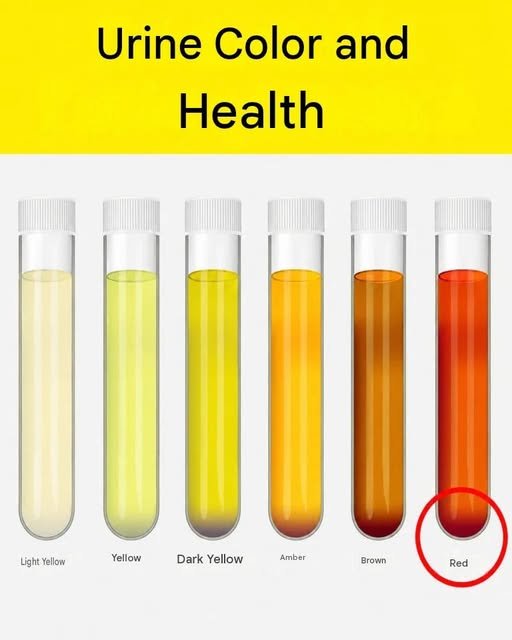
A practical routine helps you respond sensibly to changes without overreacting. Start by checking your urine color at a consistent point, such as the first trip to the toilet in the morning, and compare it with the chart. Use this as a rough hydration indicator, and adjust your fluid intake if the color trends darker than pale yellow across several days.
Next, review the day’s influences. Did you eat beets, rhubarb, or unusual amounts of a food? Did you start a new medication or supplement? Did you exercise intensely, spend time in heat, or consume alcohol? These factors explain many temporary changes. If a color change resolves once the influence is removed, you have likely found the cause.
Finally, decide when to seek professional advice. A reasonable rule is to contact a healthcare provider when red or brown urine occurs without a clear dietary or medication explanation, when a color change persists beyond a day or two, or when it comes with fever, pain, reduced urination, swelling, or other concerning symptoms. Anyone who is pregnant, has a history of kidney or liver disease, or takes blood thinners should be particularly cautious and check promptly.
When to See a Doctor Without Delay
Some situations call for prompt medical care rather than a wait-and-see approach. Seek urgent help if you notice visible blood with clots, difficulty passing urine or inability to urinate, severe back or flank pain, high fever with urinary symptoms, confusion, chest pain, or a rapid heartbeat. These signs may indicate infection, obstruction, or other serious conditions that benefit from quick assessment.
If you have recently had an injury, intense unusual exercise, or a heat-related illness and notice dark brown urine along with muscle pain or weakness, get evaluated promptly, since muscle breakdown can affect the kidneys. Similarly, yellowing of the skin or eyes with dark urine warrants prompt medical review.
Your clinician may order a urinalysis, which checks for blood, protein, glucose, infection, and other markers, along with blood tests that assess kidney and liver function. Imaging may be recommended if a stone, tumor, or structural problem is suspected. These tests are the reliable way to determine what is happening, and they are far more informative than color alone.
Conclusion
Urine color is a simple, accessible window into hydration, diet, medications, and sometimes more serious health concerns. Clear and pale yellow urine generally reflects good hydration, while dark yellow and amber shades most often signal that you need more fluids or that a food, supplement, or medication is affecting your urine. Red and brown shades deserve more careful attention because they may indicate blood, bile pigments, or muscle breakdown products, and these can have important causes that range from harmless to serious.
The most useful approach is to look at patterns rather than single samples. Consider what you ate, drank, and took in the previous day, watch whether the color changes with hydration, and notice whether other symptoms accompany it. When a change persists, recurs without a clear reason, or comes with pain, fever, or reduced urination, speak with a healthcare provider rather than relying on guesswork. Used thoughtfully, urine color can be a helpful everyday check that encourages better hydration and earlier attention to problems that deserve care.
Frequently Asked Questions
Is clear urine always a sign of good health?
Clear urine usually means you are well hydrated, but it can also result from drinking very large amounts of water, which dilutes important electrolytes. Pale yellow is generally the most balanced target for most healthy adults.
Why is my urine darker first thing in the morning?
Overnight, you do not drink fluids, and the kidneys concentrate urine during sleep. This makes morning urine the darkest of the day for many people, and it typically lightens once you start drinking.
Can drinking beets really turn urine red?
Yes. Beets contain pigments that can tint urine pink or red in some people, a harmless effect called beeturia. If the color appears after eating beets and fades within a day, diet is the likely cause.
What should I do if my urine turns red and I did not eat anything unusual?
Contact a healthcare provider promptly. Blood in the urine has many possible causes, and it should be checked even if the color is painless and intermittent, because some causes need treatment.
Does bright yellow urine mean something is wrong?
Usually not. Bright or neon yellow urine is commonly caused by high doses of vitamin B2 (riboflavin) in a multivitamin or supplement, and it is harmless. Persistent unexplained changes should still be discussed with a doctor.
Can medications change urine color?
Yes. Some medications, including certain antibiotics, laxatives, and urinary pain relievers, can turn urine orange, brown, or other shades. Check the product information or ask a pharmacist, and never stop a prescription without advice from your prescriber.
Is brown urine always a sign of liver disease?
No, but it can be. Brown urine may reflect bilirubin from liver or bile problems, muscle breakdown products, certain medications, or concentrated urine from dehydration. Because the causes vary, brown urine that persists or comes with other symptoms should be assessed.
How much water should I drink each day?
There is no single correct amount, since needs depend on body size, activity, climate, diet, and health conditions. Many people do well by drinking when thirsty and aiming for pale yellow urine. People with heart, kidney, or electrolyte conditions should follow their clinician’s specific guidance.
Does drinking water on an empty stomach have special health benefits?
The evidence supporting dramatic benefits from drinking water on an empty stomach is limited. Drinking enough fluid throughout the day is the more important habit, and timing matters far less for most people.
When should I go to the emergency room for urine problems?
Seek emergency care for visible blood with large clots, inability to urinate, severe pain in the back or side, high fever with urinary symptoms, confusion, or dark urine combined with severe muscle pain and weakness after strenuous activity or injury.