What Your Urine Color Reveals About Your Health: A Practical Guide to Reading the Chart
When Color Signals a Deeper Health Issue
Urine color is best understood as one piece of a larger picture. Several conditions can change urine appearance, and they often produce other clues as well. A urinary tract infection may cause cloudy or strong-smelling urine, a burning sensation, and frequent urges to urinate, sometimes with pink or red color. Kidney stones frequently cause severe pain in the side or back, sometimes radiating toward the groin, and may be accompanied by nausea or blood in the urine.
Liver conditions may bring fatigue, abdominal swelling, itching, or yellowing of the skin and eyes along with dark urine. Diabetes can cause changes in urine volume and sometimes sweet-smelling urine when glucose levels are high. Kidney disease may alter urine color, foam, or amount, and it often develops quietly, which is why routine checkups matter.
Since many conditions present with more than one symptom, paying attention to the full pattern is more informative than focusing on color alone. A single odd sample is rarely cause for panic, but a combination of changes deserves a conversation with a healthcare provider.
Hydration Myths and What the Evidence Suggests
Many popular claims about water and health circulate widely, and some are not well supported. For example, you may have seen suggestions that drinking water on an empty stomach has special powers, such as boosting metabolism or flushing toxins in a dramatic way. The evidence for these specific claims is limited, and the body’s systems do not require a particular timing for fluid intake. What matters more is drinking enough water across the day, adjusted for activity, climate, and health status.
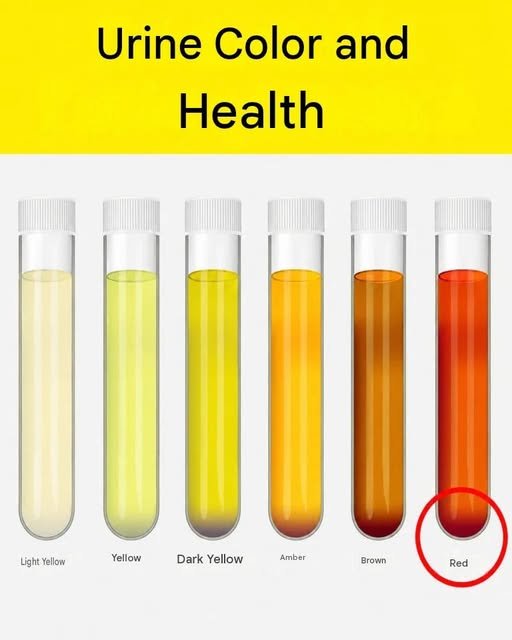
Another common myth is that everyone must drink a fixed quantity, such as eight glasses daily. Fluid needs vary considerably based on body size, activity level, diet, and environment, and much of our water comes from food. A more practical guide is to drink when thirsty and to check urine color as a rough gauge. Pale yellow urine generally suggests that intake is adequate, while consistently dark urine suggests the need for more fluids.
People with certain medical conditions, including heart failure, kidney disease, or some electrolyte disorders, may need to limit fluids on medical advice. Anyone with such a condition should follow their clinician’s guidance rather than general hydration rules.
Common Misconceptions About Urine Color
One widespread belief is that the color of urine is a reliable measure of the body’s toxins or overall health. In reality, urine color reflects hydration and the presence of specific substances, but it does not measure toxins in a general sense. The kidneys and liver handle waste continuously, and the color of a single sample is only a snapshot.
Another misconception is that any change in color is automatically dangerous. Many changes are harmless and have clear dietary or medication causes. The key is to look for patterns, persistence, and additional symptoms rather than reacting to one unusual sample.
A third misconception is that clear urine always means optimal health. As noted earlier, overly dilute urine can result from excessive water intake, which may dilute important electrolytes. Moderate hydration is the goal, not the palest possible color.
Keeping Track: A Simple Way to Monitor Your Urine
If you want to monitor your hydration and notice changes early, a simple log can help. Each day, note the color on a scale similar to the chart, record the time, and list any notable foods, drinks, medications, or supplements consumed in the previous 24 hours. Note any symptoms such as pain, fever, changes in urination frequency, or unusual fatigue.
Over a week or two, patterns usually emerge. You may discover that certain foods, exercise routines, or times of day consistently affect your urine, which helps you distinguish ordinary variation from genuine concerns. A log is also practical to bring to a doctor’s appointment, since it gives a clearer picture than memory alone.