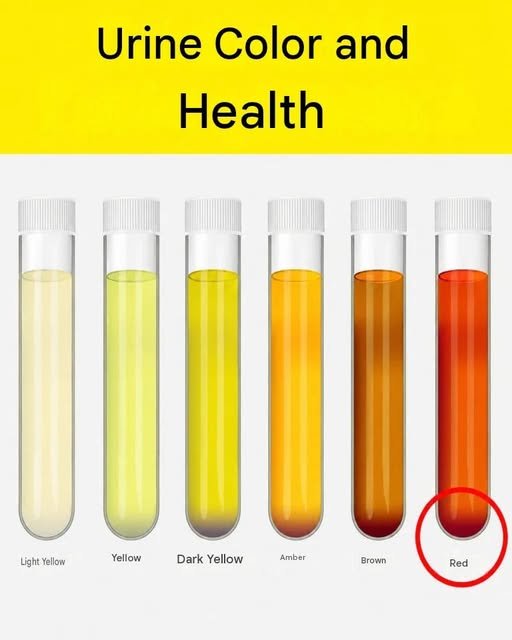
What Your Urine Color Reveals About Your Health: A Practical Guide to Reading the Chart
How Urine Gets Its Color
Urine is produced by the kidneys, which filter waste products and excess substances out of the blood. The main waste product responsible for urine’s yellow tint is urochrome, a pigment formed during the normal breakdown of old red blood cells. Urochrome is created in the liver, passes into bile, and eventually enters the urine after the kidneys filter it. Because this pigment is constantly produced, urine is almost always at least faintly colored.
The concentration of that pigment is what determines how dark urine appears. When you are well hydrated, your kidneys dilute urine with more water, and the pigment spreads out, producing a pale or nearly clear sample. When you are low on fluids, the kidneys conserve water and concentrate the urine, making it darker. This is why color is one of the simplest hydration checks available. A pale straw color usually indicates adequate fluid intake, while a deeper amber suggests the body could use more water.
Color is not only a matter of dilution. Certain foods, supplements, and medications contain pigments or compounds that pass into urine and change its appearance. Some of these effects are harmless and temporary, while others reflect a real change in how the body is functioning. Learning to separate these causes is the key to interpreting what you see.
The Normal Range: From Clear to Light Yellow
Urine that looks clear or very pale yellow is generally considered within the normal range for most healthy adults. The chart’s “Water clear” and “Light yellow” samples represent this healthy zone. A clear sample means that the urine is very dilute, which happens when fluid intake is high. Light yellow means the balance between hydration and pigment concentration is typical.
Although clear urine sounds ideal, it is not always better. Drinking very large amounts of water over a short period can dilute urine so much that it becomes colorless, and in rare cases this contributes to a condition called water intoxication, where sodium levels in the blood drop dangerously low. For most people, moderate hydration spread through the day produces a light yellow shade, which is a reasonable target.
The normal range also shifts with the time of day. First-morning urine is usually the darkest of the day because you have not drunk fluids overnight and the kidneys have been concentrating urine during sleep. A darker sample first thing in the morning is therefore common and often not a cause for concern, especially if the color lightens as you hydrate.
Why Color Changes From One Day to the Next
Most day-to-day variation in urine color has ordinary explanations. Exercise, hot weather, illness that causes sweating or vomiting, and simply forgetting to drink can all shift urine toward darker yellow or amber. Alcohol and caffeine both increase urine output, which can make urine paler, but heavy drinking can also lead to dehydration, which darkens it. The combined effect depends on how much you consume and how much fluid you replace.
Changes in diet can also alter color within hours. Large amounts of certain vegetables, such as beets, rhubarb, and some berries, can tint urine pink or red, which is discussed in more detail later. Asparagus is known to produce a distinctive odor in some people rather than a strong color change, and it affects everyone differently.
When a color change appears after an obvious trigger and resolves within a day or two, it usually reflects that trigger. When a change persists, recurs, or appears without a clear reason, it deserves closer attention.