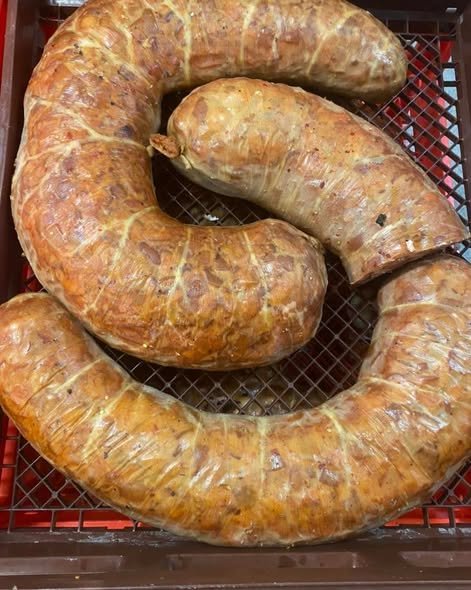
Traditional Hungarian Hurka (Liver Sausage) Recipe: Crispy, Savory, and Authentic
There is a certain magic that happens when the rich, earthy flavor of pork liver meets the comforting texture of rice and the warm, smoky aroma of Hungarian paprika. This is the magic of Hungarian Hurka, a traditional sausage that holds a cherished place in the hearts and kitchens of Hungary.
If you have ever seen a golden-brown, coiled sausage fresh from the oven with a blistered, crispy casing and a creamy, savory interior, you know exactly how irresistible this dish can be. While the most common store-bought versions are often simply boiled, taking the extra step to bake or pan-fry Hurka transforms it into something extraordinary. The skin becomes shatteringly crisp, while the inside remains tender, moist, and packed with flavor.
Making Hurka at home is a deeply rewarding culinary project. It allows you to control the quality of the ingredients, the ratio of meat to rice, and the level of seasoning. It connects you to the centuries-old tradition of Hungarian disznóvágás (the traditional winter pig slaughter), a communal event where every part of the animal was respectfully utilized to create an array of delicious preserved meats.
In this comprehensive guide, we will walk you through the entire process of making authentic Hungarian Hurka from scratch. We will explore the cultural background of this beloved food, detail the essential ingredients, provide step-by-step instructions for stuffing and cooking, and offer expert tips to ensure your sausages are perfect every time. Whether you are a seasoned sausage maker or a curious home cook looking to expand your culinary horizons, this recipe will guide you to a truly memorable taste of Central Europe.
Difficulty Level: Intermediate (requires a meat grinder or food processor and a sausage stuffer)
Cooking Method: Poaching and Baking
Cuisine: Hungarian
Course: Main Course or Hearty Appetizer
Estimated Calories per Serving: Approximately 350-400 kcal
What is Hungarian Hurka?
Hungarian Hurka is a traditional boiled sausage made primarily from pork offal—most commonly the liver—mixed with cooked rice, onions, and a specific blend of spices. It is a quintessential part of Hungarian charcuterie.
There are two main types of Hurka, and it is helpful to understand the distinction:
Májas Hurka (Liver Sausage): This is the most common variety and the focus of our recipe. It is made from pork liver (and sometimes other organ meats like lungs or heart), mixed with a substantial amount of cooked rice, onions, and spices. It has a lighter, creamy color and a rich, earthy, and slightly sweet flavor.
Véres Hurka (Blood Sausage): This version is made with fresh pork blood instead of liver. The blood gives it a very dark, almost black color and a much stronger, iron-rich flavor. The rice is still present, acting as a binder and a mild counterpoint to the intense blood.
What makes Hurka so distinct is its texture. Unlike a dense, cured salami, Hurka is a fresh, soft sausage. It is meant to be eaten relatively soon after it is made. The combination of the creamy liver, the slight bite of the rice, and the aromatic spices creates a flavor profile that is uniquely Hungarian. The paprika and marjoram are essential, providing the signature warmth and earthy undertones that Hungarian cuisine is famous for.
In Hungary, Hurka is often eaten for breakfast or as a hearty midday meal, frequently accompanied by a slice of crusty bread, a smear of mustard, and a handful of fresh, crunchy pickles.
Ingredients You Will Need
To make authentic Hungarian Hurka, you need a combination of fresh ingredients and a few specialized items. Here is the complete list with exact quantities:
8 ounces (225 g) fatty pork shoulder or pork belly: This is crucial for moisture and flavor. Do not use lean meat, or the sausage will be dry.
1 cup (200 g) uncooked short-grain white rice: Cooked according to package directions, yielding about 3 cups of cooked rice.
2 large yellow onions: Finely chopped.
3 cloves garlic: Minced.
2 tablespoons vegetable oil or lard: For sautéing.
1 ½ tablespoons Hungarian sweet paprika.
1 teaspoon dried marjoram.
½ teaspoon ground black pepper.
¼ teaspoon ground allspice.
1 ½ teaspoons salt: Adjust to taste.
½ cup (120 ml) warm water or chicken broth.
For the Casings:
About 3 feet (1 meter) of natural hog casings: You can find these at butcher shops or online. They should be rinsed and soaked in warm water for at least 30 minutes before use.
Choosing the Best Ingredients
The quality of your Hurka depends entirely on the quality of your ingredients. Here is what to look for:
The Liver: Freshness is paramount. Look for pork liver that is a deep, shiny, reddish-brown color with a smooth, moist surface and a mild, clean smell. Avoid liver that looks dull, dry, or has a strong, ammonia-like odor. If you are not a fan of pork liver, you can substitute beef liver, which has a slightly stronger flavor but works beautifully in this recipe.
The Pork Fat: The fatty pork shoulder or belly is non-negotiable. It provides the necessary fat that keeps the liver from becoming dry and chalky during cooking. It also helps bind the rice and meat together.
The Rice: Use a short-grain white rice like Arborio or sushi rice. Short-grain rice has a higher starch content, which helps bind the sausage filling together and gives it a slightly creamy texture. Long-grain rice tends to remain too separate and can make the filling crumbly.
The Paprika: Always use high-quality Hungarian sweet paprika. It should be vibrant red and smell sweet and slightly peppery. Avoid old or generic paprika, as it will lack the necessary flavor and color.
The Casings: Natural hog casings are the best choice. They provide a beautiful snap when bitten and allow the sausage to breathe during the cooking process. If you cannot find natural casings, you can use a collagen casing, but the texture will be slightly different.
Kitchen Equipment
Making Hurka requires a few specific tools, but you likely have most of them in your kitchen already:
Meat Grinder or Food Processor: Essential for mincing the liver and pork. A food processor works well; just pulse it carefully to avoid turning the meat into a paste.
Sausage Stuffer or Funnel: A dedicated sausage stuffer is ideal, but a simple plastic or metal funnel that fits into the end of your sausage casing works perfectly for small batches.
Large Heavy-Bottomed Pot: For poaching the sausages. It needs to be wide enough to hold the coiled sausages comfortably.
Large Skillet or Baking Sheet: For the final baking/frying step.
Sharp Knife and Cutting Board: For prepping the onions, garlic, and liver.
Kitchen Twine: For tying off the ends of the sausages.
Step-by-Step Cooking Instructions
Making Hurka from scratch is a rewarding process. Follow these steps carefully to achieve the perfect texture and flavor.
Step 1: Prepare the Rice and Aromatics Begin by cooking the rice according to the package instructions. Once cooked, spread it out on a baking sheet to cool completely. It is crucial that the rice is cool before mixing it with the raw meat. While the rice cooks, heat the vegetable oil or lard in a large skillet over medium heat. Add the finely chopped onions and cook until they are soft and translucent, about 5-7 minutes. Add the minced garlic and cook for an additional 30 seconds until fragrant. Remove from heat and set aside to cool.
Step 2: Mince the Meat Pat the pork liver and fatty pork shoulder dry with paper towels. Cut them into 1-inch chunks. Using a meat grinder fitted with a medium die, or a food processor, grind the liver and pork until finely minced. Be careful not to over-process the meat into a smooth paste; you want a slightly coarse texture. Transfer the minced meat to a large mixing bowl.
Step 3: Combine the Filling Add the cooled cooked rice, the sautéed onions and garlic, Hungarian sweet paprika, dried marjoram, black pepper, allspice, and salt to the bowl with the minced meat. Pour in the warm water or chicken broth. Using your hands or a sturdy wooden spoon, mix all the ingredients together until they are evenly distributed. The mixture should be moist and hold together when squeezed. If it feels too dry, add a little more water.
Step 4: Prepare the Casings While the filling rests, prepare your natural hog casings. Rinse them thoroughly under cold running water to remove the salt they are packed in. Soak them in a bowl of warm water for at least 30 minutes. This makes them pliable and easier to work with.
Step 5: Stuff the Sausages Load your sausage stuffer or attach your funnel to the end of a casing. Slide the entire length of the casing onto the nozzle of the stuffer or funnel. Tie a knot in the end of the casing. Carefully fill the casing with the meat mixture, guiding it gently as it fills. Do not overstuff the casings. The rice will expand slightly during cooking, and overstuffing will cause the casings to burst. Fill the sausages until they are about 1 inch in diameter and feel slightly firm but still pliable.
Step 6: Shape and Tie the Sausages As you fill the casing, you can either tie off individual links or leave it as one long, coiled sausage. For the classic presentation seen in the photo, leave the sausage in one long piece and coil it loosely into a circle. Tie the open end securely with kitchen twine. If you prefer individual portions, pinch the casing at intervals and tie off with twine.
Step 7: Prick the Sausages Using a sterilized needle or a sharp fork, prick the sausages in several places along their length. This allows air and excess fat to escape during cooking, preventing the casings from bursting.
Step 8: Poach the Sausages Place the coiled sausages into a large, heavy-bottomed pot. Fill the pot with enough cold water to cover the sausages completely. Bring the water to a gentle simmer over medium heat. Do not let the water boil vigorously. A rolling boil will cause the casings to burst. Once the water is simmering, reduce the heat to low and poach the sausages for 25-30 minutes. The sausages are done when they feel firm to the touch.
Step 9: The Final Crisp (Baking or Pan-Frying) This is the step that makes the Hurka truly special. Carefully remove the poached sausages from the pot using a slotted spoon and transfer them to a wire rack to drain slightly.
For Baking: Preheat your oven to 400°F (200°C). Transfer the sausages to a baking sheet lined with parchment paper. Bake for 15-20 minutes, turning once halfway through, until the skin is golden brown, crispy, and slightly blistered.
For Pan-Frying: Heat a little oil in a large skillet over medium-high heat. Add the sausages and fry until golden brown and crispy on all sides, about 8-10 minutes, turning frequently.
Step 10: Rest and Serve Once the sausages are beautifully browned and crispy, remove them from the oven or skillet and let them rest on a cutting board for 5 minutes. Cut into thick slices or serve whole.
Important Cooking Tips
Keep It Moist: The biggest risk when making Hurka is a dry filling. Ensure you use fatty pork shoulder or belly. The fat renders during cooking, basting the liver and rice from the inside.
Rice to Meat Ratio: The ratio of rice to meat is a matter of personal preference, but a 1:1 ratio by volume is a good starting point. Too much rice will make the sausage crumbly; too little will make it dense and heavy.
Taste Before Stuffing: Before you stuff the casings, take a small spoonful of the filling and fry it in a pan. This allows you to taste the seasoning and adjust the salt, pepper, or paprika before committing to the entire batch.
The Pricking Technique: Do not skip pricking the sausages. The small holes allow steam and fat to escape, which is the number one way to prevent the casings from bursting during the poaching phase.
The Gentle Simmer: The poaching liquid must never reach a rolling boil. A gentle, lazy simmer (around 180°F/82°C) cooks the filling through without destroying the delicate casings.
Common Mistakes to Avoid
Using Cold Rice: If you mix hot rice directly with the raw meat, it can begin to cook the meat prematurely and alter the texture. Always cool the rice completely before mixing.
Overstuffing the Casings: It is incredibly tempting to pack as much filling as possible into the casing. However, rice expands when it absorbs moisture. Overstuffing guarantees a burst sausage in the pot.
Boiling Instead of Poaching: If you boil the sausages, the high heat causes the fat to render too quickly and the rice to expand too fast, causing the casings to split. Keep the heat low.
Not Pricking the Casings: Air pockets inside the sausage will expand as they heat up. If they have nowhere to escape, they will burst through the casing.
Skipping the Crisping Step: While you can eat Hurka straight from the poaching liquid, the texture and flavor are vastly inferior. The final bake or fry is essential for that iconic crispy skin.
Using Lean Meat: Substituting lean pork or chicken for the fatty pork shoulder will result in a dry, crumbly, and less flavorful sausage. The fat is essential.
Variations and Substitutions
Beef Liver Hurka: If you are not a fan of pork liver or follow a diet that excludes pork, you can substitute beef liver and use beef fat or oil instead of pork fat. The flavor will be slightly more robust, but it is a delicious variation.
Blood Sausage (Véres Hurka): To make the traditional blood sausage, replace about 1/3 of the liver with fresh pork blood. The rice and spices remain the same, but the color and flavor will be much deeper and richer.
Grain Variations: While white rice is traditional, you can substitute cooked barley or buckwheat groats for a nuttier flavor and a different texture.
Spice It Up: If you like a bit of heat, add a teaspoon of Hungarian hot paprika (csípős paprika) or a pinch of cayenne pepper to the filling mixture.
Herb Additions: Fresh herbs like parsley or thyme can be finely chopped and added to the mixture for a fresh, bright note.
What to Serve with This Dish
Hungarian Hurka is a rich and flavorful dish that pairs well with simple, classic accompaniments that cut through the richness:
Crusty Bread: A thick slice of rustic white bread or sourdough is essential for soaking up the savory juices.
Mustard: A sharp, tangy mustard (like Dijon or a traditional Hungarian mustár) is the perfect condiment.
Pickles: Crunchy pickles, such as dill pickles or pickled peppers (kovászos uborka), provide a refreshing acidic contrast.
Fried Eggs: For a classic Hungarian breakfast, serve slices of Hurka alongside fried eggs with runny yolks.
Mashed Potatoes: Creamy mashed potatoes make a comforting and hearty side dish.
Fresh Salad: A simple salad of sliced tomatoes, cucumbers, and onions dressed with a little vinegar and oil adds a fresh element to the meal.
How to Store and Reheat Leftovers
If you have leftover Hurka, proper storage is key to maintaining its texture and flavor.
Refrigeration: Allow the cooked sausages to cool completely, then transfer them to an airtight container. Store in the refrigerator for up to 3-4 days.
Freezing: Hurka freezes exceptionally well. Wrap the cooked, cooled sausages tightly in plastic wrap, then place them in a freezer-safe bag. They can be frozen for up to 2 months.
Reheating: To reheat, it is best to use a skillet over medium heat to restore the crispy exterior. You can also bake them in a 350°F (175°C) oven for 10-15 minutes. Avoid using the microwave, as it will make the casing rubbery and the filling soggy.
Make-Ahead and Meal-Preparation Tips
Prep the Filling: You can prepare the meat and rice filling up to 24 hours in advance. Store it in an airtight container in the refrigerator until you are ready to stuff the casings.
Freeze Before Cooking: You can stuff the sausages and freeze them raw. Place them on a baking sheet in the freezer until solid, then transfer to a freezer bag. When ready to cook, thaw them in the refrigerator overnight and proceed with the poaching and baking steps.
Timeline: Making Hurka from scratch takes about 1.5 hours, but most of that time is hands-off. You can easily fit it into a weekend afternoon.
Troubleshooting Guide
Why did my sausages burst during poaching? This is the most common issue. It can be caused by overfilling the casings, not pricking them enough to let air escape, or poaching them at too high a temperature. Ensure the water is at a gentle simmer, not a boil, and prick the sausages well.
My Hurka filling is too dry. What went wrong? The most likely culprit is using meat that is too lean. The fat from the pork shoulder or belly is essential for moisture. Also, ensure you added the warm water or broth to the mixture.
Can I make Hurka without a meat grinder? Yes, you can use a food processor. However, be careful not to pulse the meat too much. You want a coarse, minced texture, not a smooth paste. You can also ask your butcher to grind the liver and pork for you.
Why is my Hurka crumbly? Crumbly Hurka is usually caused by using too much rice relative to the meat, or by using a long-grain rice that doesn’t stick together. Ensure you use short-grain rice and a good ratio of fatty meat.
How do I know when the Hurka is fully cooked? After poaching for 25-30 minutes, the sausages should feel firm to the touch and register an internal temperature of 160°F (71°C).
Nutritional Information
Please note that the following nutritional information is an estimate and will vary based on the specific ingredients used and portion sizes.
Calories: 380 kcal
Protein: 18 g
Carbohydrates: 25 g
Fat: 22 g
Saturated Fat: 8 g
Cholesterol: 120 mg
Sodium: 650 mg
Fiber: 1 g
Sugar: 2 g
Frequently Asked Questions
Is Hurka the same as blood sausage? No, while both are traditional Hungarian sausages, Hurka usually refers to the liver sausage (májas hurka), while the blood sausage is called véres hurka.
Can I eat Hurka cold? While you technically can, it is not recommended. The fat in the sausage solidifies when cold, making the texture greasy and less appealing. Hurka is best enjoyed hot and crispy.
What does Hurka taste like? Hurka has a rich, earthy flavor from the liver, balanced by the mild, starchy taste of the rice. It is heavily seasoned with paprika and marjoram, giving it a warm, savory profile. The texture is creamy on the inside with a crispy casing.
Is Hurka healthy? Like most traditional sausages, Hurka is high in fat and calories. However, liver is highly nutritious, packed with iron, vitamin A, and protein. It should be enjoyed in moderation as part of a balanced diet.
Can I use store-bought sausage casings? Yes, but natural hog casings are highly recommended for the best texture and flavor. If using synthetic or collagen casings, follow the manufacturer’s instructions carefully.
Final Recipe Summary
Making authentic Hungarian Hurka at home is a labor of love that yields incredible rewards. The combination of rich, earthy liver, comforting rice, and smoky paprika all encased in a crispy, golden-brown skin is a flavor experience that is truly unique. While it requires a little patience and the right equipment, the process is straightforward and deeply satisfying.
Whether you serve it as a hearty breakfast with fried eggs, a comforting dinner with mashed potatoes, or a rustic appetizer with pickles and bread, this traditional Hungarian sausage is sure to become a favorite in your kitchen.
Printable Recipe Card
Traditional Hungarian Hurka (Liver Sausage) Savory, spiced pork and rice sausage, poached until tender and baked until crispy.
Prep Time: 45 minutes
Cook Time: 45 minutes
Total Time: 1 hour 30 minutes
Servings: 6-8
Course: Main Course
Cuisine: Hungarian
Ingredients:
1 lb (450 g) fresh pork liver
8 oz (225 g) fatty pork shoulder
1 cup (200 g) uncooked short-grain rice (cooked)
2 large yellow onions, finely chopped
3 cloves garlic, minced
2 tbsp vegetable oil
1 ½ tbsp Hungarian sweet paprika
1 tsp dried marjoram
½ tsp black pepper
¼ tsp ground allspice
1 ½ tsp salt
½ cup (120 ml) warm water
3 feet natural hog casings, soaked
Instructions:
Cook rice according to package instructions and cool completely. Sauté onions in oil until soft; add garlic and cook 30 seconds. Cool.
Grind liver and pork shoulder using a medium die.
In a large bowl, mix ground meat, cooked rice, sautéed onions, paprika, marjoram, pepper, allspice, salt, and water until combined.
Stuff the mixture into prepared casings, tying off the ends. Do not overstuff. Prick sausages with a needle.
Place sausages in a large pot, cover with cold water, and bring to a gentle simmer. Poach for 25-30 minutes (do not boil).
Remove sausages and drain. Bake at 400°F (200°C) for 15-20 minutes until golden and crispy, or pan-fry in a skillet.
Rest for 5 minutes, slice, and serve with bread, mustard, and pickles.
Storage: Refrigerate in an airtight container for up to 4 days. Freeze for up to 2 months.
Internal Linking Suggestions
Hungarian Chicken Paprikash Recipe: Link to this recipe using anchor text like “creamy chicken paprikash” to provide a comforting main course option.
How to Make Traditional Nokedli (Hungarian Dumplings): Link to this guide with anchor text such as “homemade nokedli” as a perfect side dish for many Hungarian meals.
Guide to Hungarian Paprika: Link to an article about the different types of Hungarian paprika with anchor text “sweet Hungarian paprika” to educate readers on the key ingredient.
Traditional Hungarian Goulash Soup: Link to this classic recipe using anchor text “hearty goulash soup” for another iconic paprika-based dish.
Hungarian Sweet Cheese Pastries (Túrós Batyu): Link to this recipe with anchor text “sweet cheese pastries” to offer a dessert option to complete the meal.
External Source Suggestions
For readers seeking further information on the topics discussed in this article, the following types of reliable external sources are recommended:
USDA Food Safety and Inspection Service (FSIS): For guidelines on safe internal temperatures for cooking pork and proper food storage techniques.
American Meat Science Association: For resources on the science of sausage making and meat processing.
The Spruce Eats or Serious Eats: For general culinary techniques related to grinding meat and stuffing sausages.