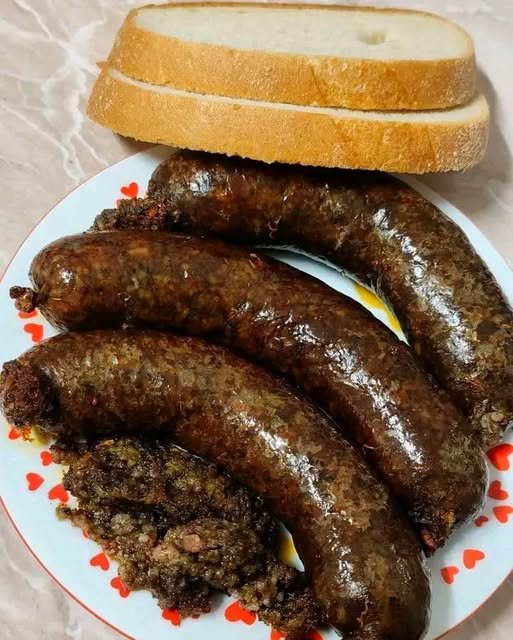
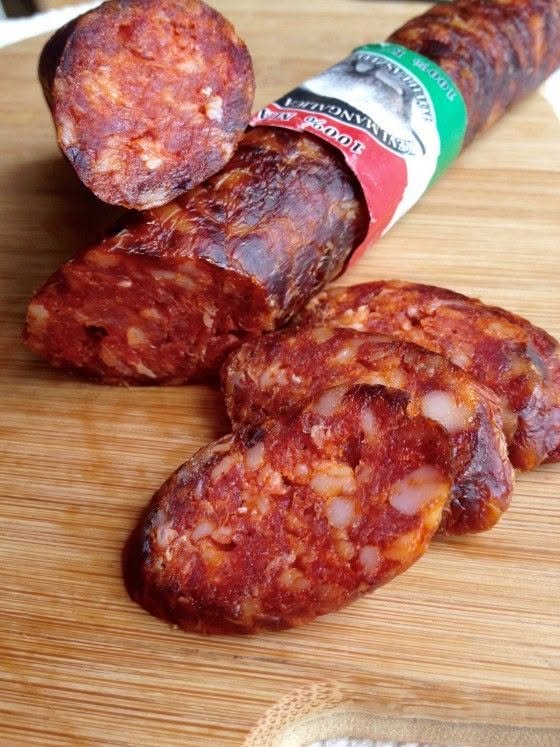
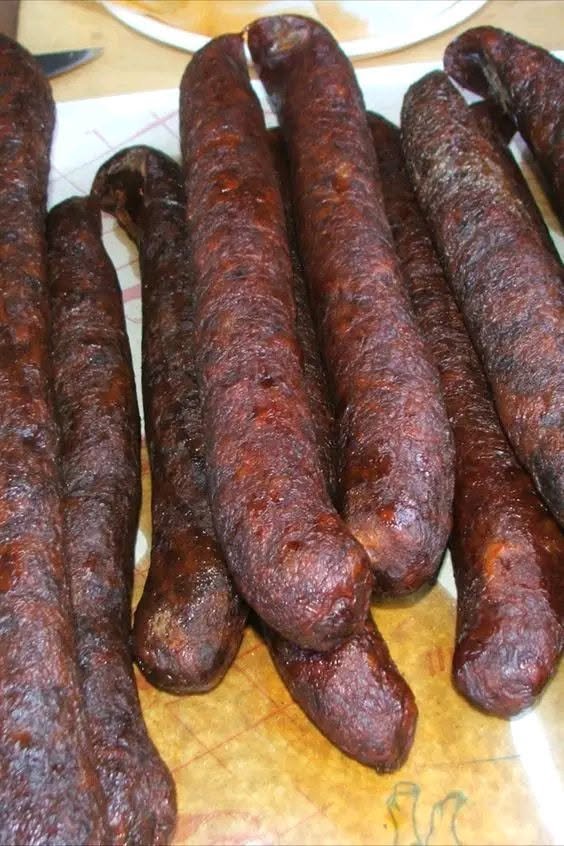
There is a distinct, irresistible magic that happens when fresh, paprika-spiced sausage hits a hot skillet. The sizzle, the intoxicating aroma of garlic and sweet peppers filling the kitchen, and the deep, caramelized crust that forms on the casing—it is a sensory experience that lies at the very heart of Hungarian comfort food. This Hungarian Homemade Sausage, known locally as Házi Kolbász, is a rustic, deeply flavorful dish that celebrates the simple, honest ingredients of Central European cooking. 🇭🇺
While the caption suggests a “5-minute” recipe, the true magic of this dish lies in the preparation. It takes just a few minutes to cook these sausages to juicy, melt-in-your-mouth perfection, but crafting them from scratch is a labor of love that connects you to centuries of Hungarian culinary tradition. Unlike the dry-cured, cold-smoked sausages that hang in pantries for weeks, this recipe focuses on the fresh, uncured sausage—the kind traditionally made during the winter pig slaughter (disznóvágás) and enjoyed immediately, pan-fried to a glorious, snappy perfection. 🌭🔥
In this comprehensive guide, we will walk you through the process of making your own fresh Hungarian sausage at home. We will explore the perfect ratio of meat to fat, the essential blend of sweet and hot paprika, and the precise techniques for stuffing and cooking them to ensure they remain incredibly juicy. Served with thick slices of crusty white bread to soak up the rich, paprika-infused juices (as seen in the photo), this is a meal that feeds the soul. Get ready to discover the authentic taste of Hungarian hospitality with this incredible homemade sausage recipe. 🥖🤤
Chilling Time: 1 hour (optional, but recommended for flavor)
Cooking Time: 10–15 minutes
Total Time: Approximately 1 hour 45 minutes
Number of Servings: Makes about 2 lbs (900g) of sausage (serves 4–6 people)
Difficulty Level: Intermediate
Cooking Method: Pan-frying or Grilling
Cuisine: Hungarian
Course: Main Course, Breakfast, or Snack
Estimated Calories per Serving: Approximately 350–450 kcal per serving (depending on the fat ratio and serving size). 📊
Note: Nutritional values are estimates and will vary based on specific ingredients and portion sizes.
What is Hungarian Homemade Sausage (Házi Kolbász)? 🇭🇺
In Hungary, the word kolbász simply means sausage, but it encompasses a wide universe of charcuterie. The dish we are focusing on today is the fresh, raw sausage (friss kolbász or házi kolbász), which is meant to be cooked before eating. This is the sausage that takes center stage at Hungarian breakfasts, casual family dinners, and outdoor barbecues. 🌭
The Tradition of the Pig Slaughter
The history of Hungarian homemade sausage is inextricably linked to the disznóvágás, the traditional winter pig slaughter. In rural Hungary, families and neighbors would gather to process a whole pig, utilizing every part to create a winter’s worth of food. The best cuts of pork and the rich, hard back fat were ground together, seasoned heavily with paprika and garlic, and stuffed into natural casings. Some of these sausages were smoked and dried to become the famous cured kolbász, while the rest were kept fresh to be eaten right away.
The Flavor Profile
What defines a great Hungarian fresh sausage is its robust, unapologetic flavor. It is heavily seasoned with Hungarian sweet paprika (édesnemes), which gives it a vibrant color and a sweet, earthy depth. This is often balanced with a touch of hot paprika (csípős) for a gentle background heat. Fresh garlic, black pepper, and sometimes a hint of caraway seed complete the seasoning profile.
The texture is equally important. A perfect Hungarian sausage should be coarsely ground, giving it a satisfying, meaty bite. When pan-fried, the casing should snap, and the inside should be incredibly juicy and succulent. The secret to this moisture is the fat content—do not fear the fat, as it is what carries the flavor and creates that melt-in-your-mouth sensation. 🔥
Ingredients You Will Need 🛒
To make authentic Hungarian fresh sausage, you need a specific balance of meat, fat, and spices.
For the Sausage Meat:
1.5 lbs (680g) pork shoulder (Boston butt), cut into 1-inch cubes (choose a cut with good marbling)
0.5 lbs (225g) pork back fat or hard pork belly fat, cut into 1-inch cubes 🥓
1.5 tablespoons kosher or sea salt (about 2% of the total meat weight)
1 teaspoon hot Hungarian paprika (adjust to your spice preference)
1 tablespoon freshly ground black pepper
1 teaspoon ground caraway seeds (optional, but traditional)
4 cloves of garlic, minced or pressed into a fine paste 🧄
1/4 cup (60ml) ice-cold water (helps bind the mixture)
For Stuffing and Cooking:
Hog casings (about 32-34mm diameter), soaked in warm water and rinsed thoroughly
1 to 2 tablespoons lard or vegetable oil (for frying) 🧈
Crusty white bread, for serving 🥖
Choosing the Best Ingredients 🥩
The quality of your Hungarian sausage depends entirely on the quality of your pork and spices. Here is what to look for:
The Meat and Fat Ratio: The golden rule for fresh Hungarian sausage is a 70/30 or 75/25 ratio of lean meat to fat. If you use meat that is too lean, the sausage will be dry and crumbly. The pork shoulder provides excellent flavor, while the added back fat ensures the sausage stays juicy and succulent when cooked.
The Paprika: This is the soul of the dish. Use fresh, high-quality Hungarian sweet paprika. Avoid old, dusty supermarket paprika, as it will taste bitter and lack the vibrant color. If you can find it, édesnemes is the gold standard for sweet paprika. 🌶️
The Garlic: Fresh garlic is essential. Pressing it into a paste or grating it on a microplane ensures it distributes evenly throughout the meat, preventing harsh bites of raw garlic.
The Casings: Natural hog casings are best. They have the right texture to give that satisfying “snap” when bitten. Soak them thoroughly and flush them with water before use to remove excess salt and ensure they are clean.
Kitchen Equipment 🍳
You don’t need a professional butcher shop to make sausage at home, but a few key tools will make the process much easier.
Meat Grinder: A stand mixer attachment or a dedicated electric meat grinder. Use the coarse die (about 6mm) for the perfect rustic texture. 🥩
Sausage Stuffer: A sausage-stuffing attachment for your grinder, or a dedicated vertical stuffer (which is easier to use). 🌭
Large Mixing Bowl: For mixing the meat and spices.
Digital Kitchen Scale: Crucial for accurately measuring the salt and meat ratio.
Large Skillet or Cast-Iron Pan: For pan-frying the sausages.
Instant-Read Thermometer: To ensure the sausage is cooked through to a safe internal temperature.
Kitchen Twine or Scissors: For tying off the sausage links.
Step-by-Step Cooking Instructions 🥣
Follow these steps to create the perfect batch of fresh Hungarian sausage.
Part 1: Preparing the Meat
Step 1: Chill the Meat Place the cubed pork shoulder and pork fat in the freezer for about 30–45 minutes. The meat should be very cold (but not frozen solid) before grinding. Cold meat grinds much more cleanly and prevents the fat from smearing, which can make the sausage greasy. ❄️
Step 2: Grind the Meat Set up your meat grinder with the coarse (6mm) die. Grind the chilled meat and fat together into a large mixing bowl.
Step 3: Combine the Spices In a small bowl, mix together the salt, sweet paprika, hot paprika, black pepper, and caraway seeds (if using).
Step 4: Mix the Sausage Sprinkle the spice mixture over the ground meat. Add the minced garlic and the ice-cold water. Using your hands (wearing food-safe gloves is a good idea), mix everything together thoroughly for about 3–5 minutes. The mixture should become sticky and cohesive. Tip: Fry a small spoonful of the mixture in a pan and taste it to check the seasoning before stuffing.
Part 2: Stuffing the Sausages
Step 5: Prepare the Casings Soak your hog casings in warm water for at least 30 minutes. Rinse them thoroughly by running water through the inside.
Step 6: Stuff the Sausages Load your sausage stuffer with the meat mixture. Slip a casing over the stuffing tube and knot the end. Carefully fill the casing, being mindful not to overstuff, which can cause it to burst during cooking. Aim for a plump, firm sausage. Twist the sausage into links at 5- to 6-inch intervals.
Step 7: Rest the Sausages For the best flavor, cover the sausages and refrigerate them for at least 1 hour (or overnight) before cooking. This allows the salt and spices to penetrate the meat.
Part 3: Cooking the Sausages
Step 8: Prick the Casings Before cooking, use a sterilized needle or a sharp fork to prick a few small holes in each sausage. This allows the steam to escape and prevents the casing from bursting as it cooks.
Step 9: Pan-Fry or Grill Heat a large skillet or cast-iron pan over medium heat. Add a little lard or oil.
Pan-Frying: Place the sausages in the pan and cook for 10–12 minutes, turning frequently, until they are browned on all sides and cooked through.
Butterflying (as seen in the photo): You can also slice the sausages lengthwise (butterfly them) and cook them flat side down for a faster, crispier result.
Step 10: Check the Temperature Use an instant-read thermometer to ensure the internal temperature of the sausage reaches 165°F (74°C).
Step 11: Rest and Serve Remove the sausages from the heat and let them rest for 5 minutes before serving. This allows the juices to redistribute. Serve hot with crusty white bread. 🥖
Important Cooking Tips 💡
Keep Everything Cold: From the meat to the grinder parts, cold temperatures are your friend. This prevents the fat from smearing and ensures a clean grind.
Don’t Overmix: Mix the meat just until the spices are evenly distributed. Overmixing can make the sausage texture tough and rubbery.
Test the Seasoning: Always fry a small test patty before stuffing the casings. This is the only way to know if the salt and spice levels are perfect.
Prick the Casings: This is crucial for pan-frying. It allows the fat and steam to escape, preventing the sausage from bursting open.
Don’t Overcrowd the Pan: Cook the sausages in batches to ensure they brown properly rather than steaming in their own juices.
Common Mistakes to Avoid ❌
Using Meat That is Too Lean: A lean sausage will be dry and crumbly. The 70/30 meat-to-fat ratio is essential for that melt-in-your-mouth texture.
Smearing the Fat: If your meat is warm during grinding, the fat will melt and smear, resulting in a greasy, unpleasant texture. Always chill the meat and equipment. 🧊
Overstuffing the Casings: Stuffing the casings too tightly will cause them to burst during cooking. Fill them firmly but leave a little room for expansion.
Cooking on Too High Heat: Frying sausage on high heat will burn the outside before the inside is cooked through. Use medium heat to ensure even cooking.
Skipping the Resting Period: Letting the stuffed sausages rest in the fridge allows the flavors to meld and the salt to penetrate the meat. It makes a noticeable difference in flavor.
Variations and Substitutions 🔄
Spice Level Variations
Mild: Use only sweet Hungarian paprika and omit the hot paprika. This is perfect for kids or those who prefer a gentler flavor. 🌶️
Spicy (Csípős): Increase the amount of hot paprika to 1 tablespoon or more, depending on your tolerance. 🔥
Meat Variations
Pork and Beef: You can substitute up to 30% of the pork with ground beef for a deeper, richer flavor.
Turkey or Chicken: For a lighter version, you can use ground turkey or chicken, but you will need to add extra fat (like olive oil or finely chopped bacon) to keep the sausages moist.
Wild Boar: For a gamey twist, substitute up to 50% of the pork with wild boar meat.
Casing Variations
Lamb Casings: These are thinner and smaller, perfect for making breakfast-style sausages.
No Casings: You can also form the meat mixture into patties and pan-fry them for a quick, delicious alternative.
What to Serve with This Dish 🥖
Hungarian homemade sausage is incredibly versatile and pairs beautifully with simple, rustic accompaniments.
The Classic Pairing: Thick slices of crusty white bread, as seen in the photo, are essential for soaking up the delicious paprika-infused juices. 🥖
Mustard and Pickles: A dollop of strong Hungarian mustard (mustár) and a side of pickled cucumbers or peppers (savanyúság) cut through the richness of the sausage perfectly.
With Eggs: Serve sliced, fried sausage alongside scrambled eggs or a Hungarian omelet for a hearty breakfast. 🍳
With Potatoes: Serve with mashed potatoes or crispy roast potatoes for a comforting dinner. 🥔
Fresh Vegetables: Slices of fresh tomato, cucumber, and green peppers make a refreshing, crunchy side. 🍅
How to Store and Reheat Leftovers 🧊
Refrigerator: Store uncooked or cooked sausage in an airtight container in the refrigerator for up to 3–4 days.
Freezer: Fresh, uncooked sausages freeze exceptionally well. Place them in a single layer on a baking sheet to freeze individually, then transfer them to a freezer-safe bag or container. They will keep for up to 3 months. Thaw overnight in the refrigerator before cooking. Cooked sausages can also be frozen.
Reheating: Reheat cooked sausages gently in a skillet over medium-low heat until warmed through. Avoid the microwave, as it will make the casings rubbery and the meat tough. ♨️
Make-Ahead and Meal-Preparation Tips 🗓️
Make in Bulk: Sausage making is a time-consuming process, so it makes sense to make a large batch at once. The uncooked sausages freeze beautifully, providing you with a quick and delicious meal for months.
Prep the Spices: You can pre-mix your dry spices and store them in an airtight jar. This saves time on the day you plan to make the sausage.
The Day Before: Grind your meat and mix in the spices the day before you plan to stuff. Letting the mixture rest overnight in the refrigerator actually improves the flavor.
Troubleshooting Guide 🛠️
Why did my sausage turn out dry and crumbly? This is usually caused by using meat that is too lean, or by the fat smearing during grinding because the meat was too warm. Ensure you use a 70/30 meat-to-fat ratio and keep everything ice-cold. 🧊
Why did my casings burst during cooking? This is typically due to overstuffing or not pricking the sausages to allow steam to escape. It can also happen if you cook them on too high heat. 🌡️
Why is my sausage too salty? This can happen if you use a salt with a different crystal size than the recipe assumes. Always use a digital scale to weigh your salt and meat accurately.
How do I know when the sausage is fully cooked? The best way is to use an instant-read thermometer. The internal temperature should reach 165°F (74°C). Alternatively, cut one sausage open; the meat should be completely opaque with no pink in the center.
Can I make this recipe without a meat grinder? Yes, you can ask your butcher to grind the meat for you using a coarse die. You can also finely chop the meat by hand, though this is very time-consuming.
Nutritional Information 📊
Please note: The following nutritional information is an estimate per serving of 100g of cooked fresh Hungarian sausage. Actual values will vary based on the specific meat-to-fat ratio, seasonings, and preparation methods.📊
Calories: 350–400 kcal
Protein: 18–20 g
Carbohydrates: 1–2 g
Fat: 30–35 g
Saturated Fat: 11–13 g
Fiber: 0 g
Sugar: <1 g
Sodium: Approximately 800–1000 mg (depending on the amount of salt used).
(Note: This does not include the nutritional impact of the bread or other accompaniments).
Frequently Asked Questions ❓
1. What is the difference between Hungarian fresh sausage and smoked kolbász? Fresh Hungarian sausage (házi kolbász) is raw and must be cooked before eating. Smoked kolbász is cured, cold-smoked, and often air-dried, allowing it to be sliced and eaten as is. 🇭🇺
2. Can I use a different type of meat? Pork is the traditional and most common meat for this sausage. However, you can experiment with beef, turkey, or wild boar, though the fat content and flavor will differ. If using lean meats, you may need to add more pork fat.
3. How spicy is this sausage? The heat level is entirely up to you. The recipe calls for a small amount of hot paprika, which gives a gentle warmth. If you want a mild sausage, omit the hot paprika entirely. If you want it spicy, increase the amount. 🌶️
4. Is it safe to make sausage at home? Yes, when proper precautions are taken. Keep your equipment and meat clean and cold. Always cook fresh sausage to an internal temperature of 165°F (74°C).
5. What kind of casings should I use? Natural hog casings are the best choice for this type of sausage. They provide the perfect snap and are widely available online or at butcher shops.
6. Can I make this recipe without casings? Yes, you can form the meat mixture into patties and pan-fry them. They won’t have the same snap, but they will still be delicious!
7. Why is my sausage tough? Tough sausage is usually caused by overmixing the meat, which develops the proteins too much. Mix just until the spices are incorporated.
Final Recipe Summary 🌭
Mastering the art of making traditional Hungarian Homemade Sausage is a deeply rewarding culinary experience. It is a dish that celebrates the rich, paprika-spiced heritage of Central European cooking, transforming simple cuts of pork into a flavorful, juicy masterpiece. The vibrant red hue, the aromatic blend of garlic and spices, and the satisfying snap of the casing are a testament to the beauty of rustic, honest food. 🇭🇺
We hope this guide inspires you to embrace the tradition of homemade sausage making. Whether you enjoy it sliced and pan-fried with a slice of crusty bread and a pickle, or use it as a hearty addition to your next breakfast, your homemade házi kolbász will be a source of pride and a delicious connection to Hungarian culinary heritage. Share it with friends and family, and savor the incredible taste of a truly authentic Central European treasure. ✨
Printable Recipe Card 🖨️
Hungarian Homemade Sausage (Házi Kolbász) 🇭🇺🌭
A traditional, fresh paprika-spiced pork sausage, perfect for pan-frying or grilling.
Prep Time: 30 minutes
Chill Time: 1 hour
Cook Time: 10–15 minutes
Total Time: 1 hour 45 minutes
Servings: Makes about 2 lbs (900g), serves 4–6
Ingredients:
1.5 lbs (680g) pork shoulder, cubed
0.5 lbs (225g) pork back fat, cubed
1.5 tbsp kosher salt
2 tbsp Hungarian sweet paprika
1 tsp hot Hungarian paprika
1 tbsp black pepper
1 tsp ground caraway seeds (optional)
4 cloves garlic, minced
1/4 cup (60ml) ice-cold water
Hog casings, soaked
Lard or oil, for frying
Instructions:
Chill cubed meat and fat in the freezer for 30–45 minutes.
Grind meat and fat with a coarse (6mm) die.
Mix all dry spices and garlic with the meat. Add cold water and mix until sticky.
Stuff mixture into prepared hog casings, being careful not to overstuff. Form links.
Refrigerate stuffed sausages for at least 1 hour.
Prick casings with a needle.
Pan-fry over medium heat for 10–15 minutes, turning frequently, until browned and cooked through (internal temperature of 165°F/74°C).
Serve hot with crusty white bread.
Storage: Store uncooked or cooked sausage in the refrigerator for up to 4 days. Freeze uncooked sausage for up to 3 months.
Internal Linking Suggestions 🔗
To enhance the reader’s experience and keep them on your website, link to these complementary topics:
Anchor Text: “Traditional Hungarian Smoked Sausage (Kolbász)” -> Link to your guide on cold-smoking and curing sausage.
Anchor Text: “hearty Hungarian Goulash recipe” -> Link to your classic beef and paprika soup.
Anchor Text: “creamy Chicken Paprikash” -> Link to your recipe for the iconic paprika chicken dish.
Anchor Text: “homemade Nokedli (dumplings)” -> Link to your recipe for the perfect side dish.
Anchor Text: “Hungarian Lángos” -> Link to your recipe for the famous fried flatbread.
External Source Suggestions 🌐
For factual verification and further reading, consider referencing these types of sources:
Food Safety: USDA Food Safety and Inspection Service (for safe handling of raw pork and proper cooking temperatures).
Cultural Context: Reputable culinary encyclopedias or Hungarian heritage sites for the history and cultural significance of the disznóvágás (pig slaughter) tradition.
Charcuterie Science: Sources explaining the importance of fat ratios and proper grinding techniques for sausage making.