The Truth Behind the Viral Sink Hack: Why You Cover Your Drain Before Vacation (Part 1 of 5)
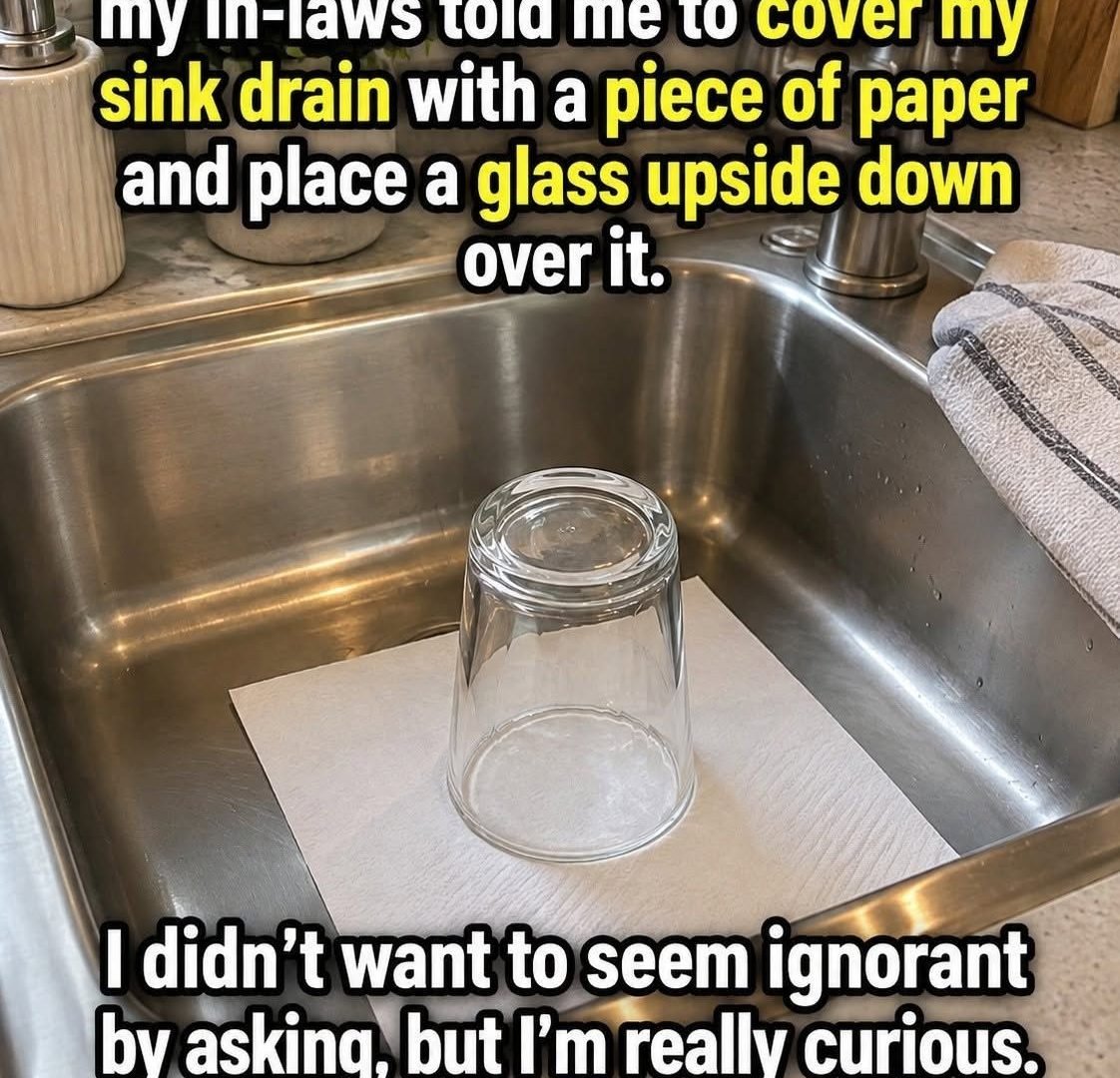
While the paper and upside-down glass trick is a clever, old-school solution for keeping pests out and preventing sewer gas, it comes with a significant downside that many people overlook: the use of glass.
The Hidden Danger of the Inverted Glass
The most immediate risk of the paper and glass hack is the use of an unstable, top-heavy object in a space where people frequently drop things or reach in.
The Risk of Shattering
An upside-down drinking glass is top-heavy. It sits precariously on a piece of paper over a metal drain. If a family member comes into the house to water plants, or a pet jumps onto the counter, the glass can easily be knocked over.
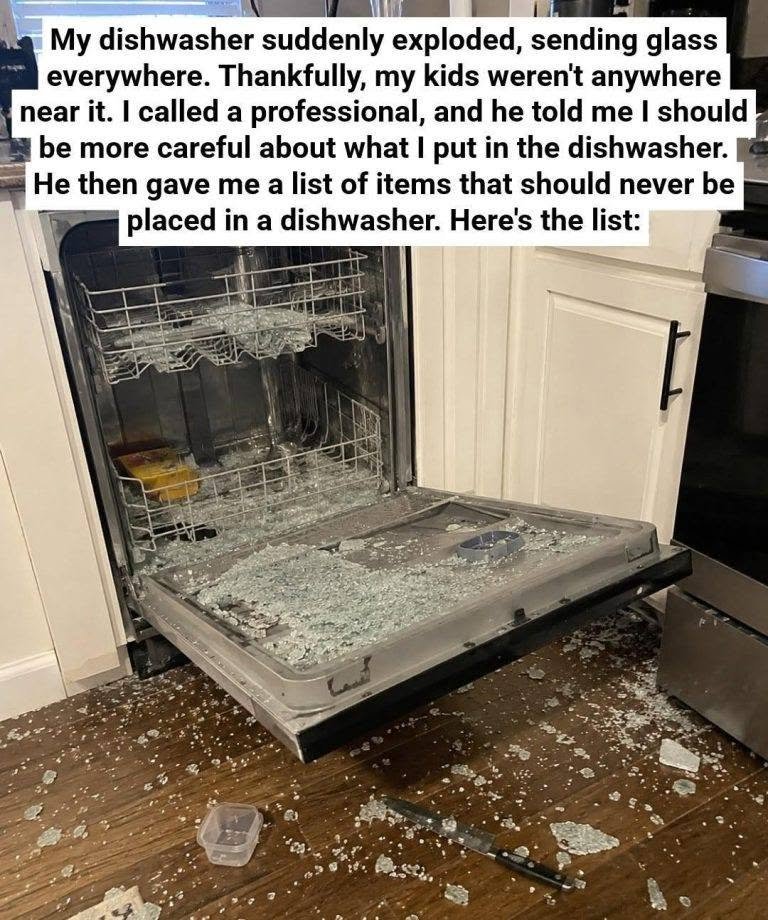
If the glass falls into the stainless steel sink, it is likely to shatter. Shattered glass in a sink is a nightmare scenario. The tiny shards can slip down the drain, lodging in the P-trap and causing a severe plumbing blockage. Furthermore, cleaning up shards from a wet sink is a highly dangerous task that can result in deep cuts.
The False Sense of Security
Using a glass might give you a false sense of security. You might forget it is there, turn on the tap, and flood your sink. A rubber stopper, by contrast, is designed to be used in a wet environment and is easily knocked out if the water is turned on.
The Paper Problem
While less dangerous than broken glass, the piece of paper used in the hack has its own issues.
Water Absorption: If the sink is accidentally used, or if there is a leak from the faucet, the paper will absorb water. Once wet, it will become a soggy mess, potentially breaking apart and clogging the drain strainer.
Mold and Mildew: The kitchen sink is a humid environment. A piece of paper left in a damp sink for weeks can develop mold and mildew, creating a health hazard.
Better, Safer Alternatives
If you want to achieve the same result as the paper and glass hack without the risks, there are several modern alternatives that are vastly superior.
1. The Rubber Sink Stopper (The Gold Standard)
This is the best, most reliable solution. A simple rubber sink stopper (often sold at hardware stores for a few dollars) is designed to fit snugly into your drain.
Why it’s better: It creates an airtight and watertight seal. It keeps pests out, completely stops evaporation from the P-trap, and prevents sewer gas from escaping. It is also safe, durable, and easy to install.
Note on Garbage Disposals: If you have a garbage disposal, ensure you buy a stopper specifically designed for a disposal flange, or use a cover designed to fit over the entire disposal unit.
2. Silicone Drain Covers
Silicone covers are flexible, flat, and often have a small handle. They sit flat over the drain and create a seal.
Why it’s better: They are highly durable, won’t shatter like glass, and are easy to clean. Many silicone covers are designed to allow water to drain slowly while blocking pests. If you want a completely sealed cover, look for thick silicone stoppers that fit deep into the drain.
3. Plastic Wrap and a Weight
If you don’t have a rubber stopper, you can use a piece of heavy-duty plastic wrap.
How to do it: Stretch a piece of plastic wrap over the drain opening. Secure it tightly with a heavy object.
What to use as a weight: Instead of a glass, use something safe and unbreakable. A heavy ceramic bowl, a large mug, or a sealed water bottle works well. The goal is to keep the plastic wrap flat and secure.
4. The Ping Pong Ball Trick (For Floor Drains)
As mentioned earlier, for floor drains, a ping pong ball is a brilliant solution. It floats on the water, sealing the surface and preventing evaporation, while being completely harmless if stepped on.
What to Do Before You Leave: A Checklist
To ensure your home is safe from pests, odors, and plumbing issues while you are on vacation, follow this checklist:
Clean the Sink: Before you leave, thoroughly clean the sink basin and the drain strainer. Remove any food particles or grease that could attract pests.
Use a Rubber Stopper: Install a rubber sink stopper in the kitchen and bathroom sinks.
Seal the Drain: Ensure the stopper is pushed firmly into place.
Pour Water Down Other Drains: For floor drains or guest bathroom sinks, pour a cup of water down them to ensure the P-trap is full.
Cover the Floor Drains: Use a ping pong ball or a plastic cover for floor drains.
Check for Leaks: Do a quick inspection under the sinks to ensure there are no slow drips or leaks that could cause water damage while you are away.
(End of Part 4. Continue to Part 5 for the final comprehensive checklist and Frequently Asked Questions.)