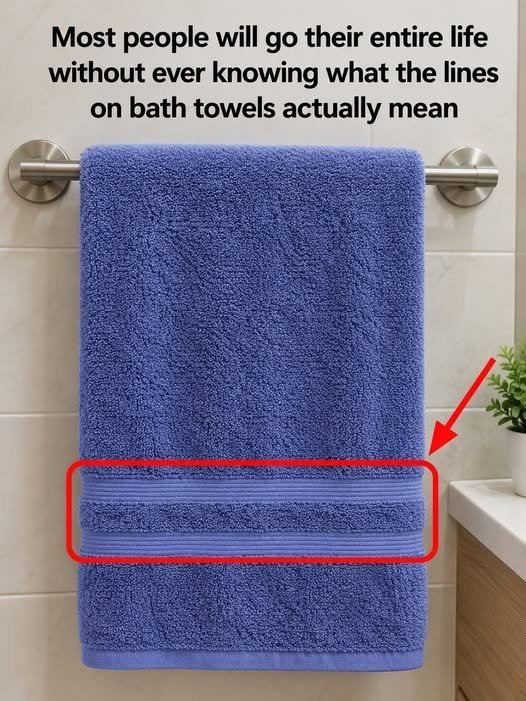
The Hidden Purpose of the Decorative Band on Bath Towels: What That Woven Strip Actually Means
A Marker of Quality and Craftsmanship
In the world of textiles, not all Dobby borders are created equal. The complexity and construction of the border can actually serve as an indicator of the overall quality of the towel. A high-end, luxury towel will often feature a more intricate Dobby border, perhaps with multiple colors, complex geometric patterns, or a wider band.
The Relationship Between Border and Thread Count
Manufacturers often use the Dobby border to showcase their premium yarns and craftsmanship. A tighter, more detailed Dobby weave requires higher-quality, stronger threads. If a towel has a beautifully constructed, intricate border, it is a strong clue that the rest of the towel is made from high-quality, long-staple cotton (like Egyptian or Turkish cotton).
Conversely, a very thin, simple, or poorly constructed Dobby band might indicate a lower-quality towel. The band acts as a sort of “signature” for the manufacturer, allowing discerning shoppers to gauge the level of care and precision that went into the product. When you are shopping for towels, paying attention to the Dobby border can help you distinguish between a luxury investment and a bargain-bin item.
The Psychology of the Bathroom: Aesthetics and Luxury
Beyond the purely functional, the Dobby border plays a significant role in the psychology of the bathroom. The bathroom is often viewed as a personal sanctuary, a place of relaxation and self-care. The design of the towels we use contributes to the overall ambiance of that space.
The Spa-Like Experience
Hotels and spas frequently use towels with prominent Dobby borders. The structured, tailored look of the border adds an element of formality and luxury. It elevates the towel from a simple piece of fabric to a designed object. When you step out of the shower and wrap yourself in a towel with a crisp, clean Dobby band, it subconsciously signals to your brain that you are in a place of comfort and high quality. It is a small detail that contributes to a much larger sensory experience.
Visual Break and Cohesion
From an interior design perspective, the Dobby border provides a necessary visual break. A large, solid-colored towel can sometimes look overwhelming or flat. The textured band introduces a subtle contrast—a play of light and shadow—that adds depth to the fabric. It can also be used to tie the color scheme of the bathroom together. For example, a white towel with a subtly contrasting grey or navy Dobby band can echo the colors of the bathroom tiles or fixtures, creating a cohesive and well-thought-out design.
How the Dobby Band Affects Drying and Absorbency
As mentioned briefly earlier, the Dobby band has a distinct physical profile compared to the terry cloth body of the towel, which affects how the towel performs in everyday use.
The Trade-Off: Durability vs. Absorbency
The primary function of the main body of the towel is to absorb water. The terry loops provide a massive surface area for water to be wicked away from the skin. The Dobby border, however, is woven flat and tight. It is designed for durability, not absorbency.
This creates an interesting dynamic. If you try to dry your face with the Dobby band, you will find it much less effective than the rest of the towel. It feels smoother and flatter. This is why many people prefer to use the plain terry side for drying and treat the Dobby border as a structural element.
The Drying Dilemma
Because the Dobby band is tightly woven and denser, it retains moisture longer than the fluffy terry cloth. This is a critical factor in towel hygiene. If a towel is left bunched up on the floor or hung haphazardly, the Dobby band will remain damp long after the rest of the towel has dried. This damp environment is a breeding ground for bacteria and mildew, which causes that unpleasant “wet dog” smell.
This is why the orientation of the towel on the rack is so important. By hanging the Dobby band at the bottom, exposed to the air, you facilitate faster evaporation. You are allowing the densest part of the towel to dry first, which extends the time between washes and keeps the towel smelling fresher for longer.
Caring for Your Towels: Preserving the Dobby Border
To ensure your towels last for years and maintain their plushness and structural integrity, it is essential to care for them properly. The Dobby border, while strong, is not indestructible.
Washing and Drying Tips
Avoid Fabric Softeners: Fabric softeners coat the fibers of the towel, reducing their absorbency. This is especially true for the tightly woven Dobby band, where the softener can build up and make the towel feel stiff. Instead, use white vinegar in the rinse cycle to naturally soften the fibers and remove detergent residue.
Wash in Warm Water: Hot water can break down the cotton fibers over time, causing the Dobby border to weaken. Warm water is sufficient for cleaning, provided you wash your towels regularly.
Tumble Dry Low: High heat is the enemy of cotton towels. It can shrink the fabric and cause the threads in the Dobby border to snap. Dry your towels on a low heat setting and remove them promptly to prevent over-drying.
Check for Snags: The tight weave of the Dobby border can sometimes catch on zippers, hooks, or rough skin. Inspect the border periodically for any snags or loose threads, and carefully trim them with scissors to prevent them from unraveling.
Conclusion: A Small Detail with a Big Story
The next time you step out of the shower and reach for your towel, take a moment to look at that woven band. It is so much more than a decorative flourish or a branding tool. It is a piece of engineering history, a testament to the ingenuity of the Dobby loom. It is the structural anchor that holds your towel together, preventing it from fraying and falling apart. It is the practical guide that tells you how to hang your towel for optimal drying and neatness. And it is a subtle marker of the quality and craftsmanship that went into the textile you are holding.
The viral image that sparked this conversation serves as a beautiful reminder that even in the most mundane objects of our daily lives, there are hidden layers of purpose and design. We are surrounded by objects that we use without thinking, objects that are the result of centuries of innovation and refinement. By taking a moment to understand the “why” behind the things we use, we can develop a deeper appreciation for the world around us. The decorative band on your bath towel is not just a detail; it is a small, intricate piece of human ingenuity, hiding in plain sight.
Frequently Asked Questions
What is the woven band on a bath towel called?
The woven band is known in the textile industry as a Dobby border or Dobby strip. It is named after the Dobby loom, the specialized weaving machine used to create its intricate patterns.
Is the Dobby border purely decorative?
No, while it adds visual interest, its primary purpose is structural. The tight weave of the Dobby band secures the edges of the towel, preventing the terry cloth loops from unraveling and keeping the fabric from fraying after washing.
How do I know which side of the towel is the bottom?
The Dobby band indicates the bottom of the towel. When hanging your towel on a rack, the Dobby band should be at the bottom, away from the bar. This helps the towel hang straight and allows the denser band to dry more efficiently.
Why does the Dobby border take longer to dry?
Because the Dobby border is woven much tighter than the fluffy terry cloth, it has less surface area and air circulation, which means it retains moisture longer. This is why hanging it at the bottom is important for hygiene and preventing mildew.
Does a more complex Dobby border mean a higher quality towel?
Often, yes. A more intricate, detailed Dobby border usually indicates that the manufacturer used higher-quality, stronger threads and a more complex weaving process, which is a good indicator of an overall premium towel.
Can I iron the Dobby border?
It is generally not recommended to iron bath towels, as the high heat can crush the terry loops and damage the cotton fibers. If the Dobby border is wrinkled, a quick tumble in the dryer with a damp washcloth is a safer way to smooth it out.
How can I prevent the Dobby border from fraying?
To prevent fraying, avoid washing towels with items that have zippers or hooks that can snag the tight weave. Trim any loose threads immediately and avoid using harsh chemicals or high heat in the dryer, which can weaken the fibers.