Small White Spots on Your Arms or Legs: What They Are, Why They Appear, and When to See a Doctor
The best approach is calm, informed observation. Protect your skin from the sun, monitor for changes, and seek professional advice if you are unsure or if the spots are accompanied by other symptoms. White spots may be a cosmetic nuisance, but they are usually not a reason to panic.
Frequently Asked Questions
What are the small white spots on my arms and legs?
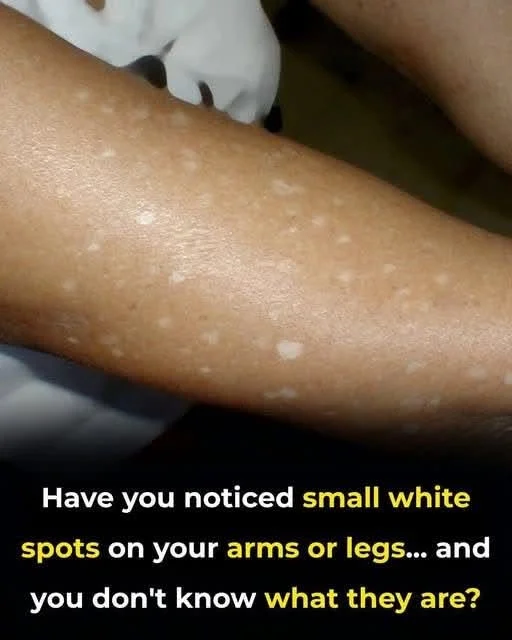
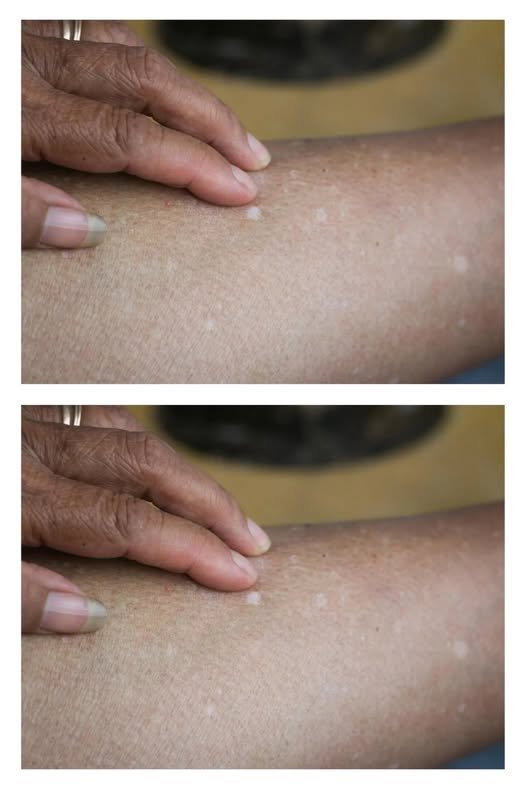
The most likely cause is idiopathic guttate hypomelanosis, a common, harmless condition that causes small, flat, white spots on sun-exposed skin. It is related to sun exposure, aging, and genetics.
Are these white spots dangerous?
No. IGH is benign. It is not contagious, it does not turn into skin cancer, and it is not a sign of an internal disease. However, the sun damage that contributed to it is relevant to overall skin health.
Are the spots a sign of a vitamin deficiency?
No. IGH is not caused by a vitamin deficiency. It is a localized change in pigment cells.
How is IGH different from vitiligo?
IGH spots are small, scattered, and drop-like. Vitiligo usually causes larger, irregular patches of stark white skin that can spread. A dermatologist can distinguish them.
Can IGH be cured?
There is no guaranteed cure. Some treatments, such as cryotherapy, microneedling, and lasers, may improve appearance, but results vary. Many people choose no treatment.
Does sunscreen help?
Sunscreen does not reverse existing spots, but it helps prevent new ones and prevents the surrounding skin from tanning, which makes the spots less noticeable.
When should I see a doctor?
See a doctor if the spots are large, irregular, spreading, scaly, itchy, painful, or bleeding, or if you have other symptoms. Also see a doctor if you are unsure what the spots are.
Can I prevent IGH?
You cannot prevent all pigment changes, but you can reduce the risk by protecting your skin from the sun, avoiding tanning beds, and monitoring your skin.