Burning, Tingling, or Numbness in Your Feet: What These Sensations Could Mean and When to Get Help
When Foot Symptoms Point to Circulation Problems
Poor circulation can cause cold feet, numbness, tingling, and pain with walking. Signs of peripheral artery disease include pain or cramping in the legs or feet during walking that improves with rest, cold feet, pale or blue skin, loss of hair on the legs or feet, slow-healing wounds, and weak or absent pulses in the foot.
PAD is a sign of systemic atherosclerosis and increases the risk of heart attack and stroke. It should be evaluated promptly. Treatment may include lifestyle changes, medication, and in some cases procedures to improve blood flow.
When Foot Symptoms Point to Nerve Compression
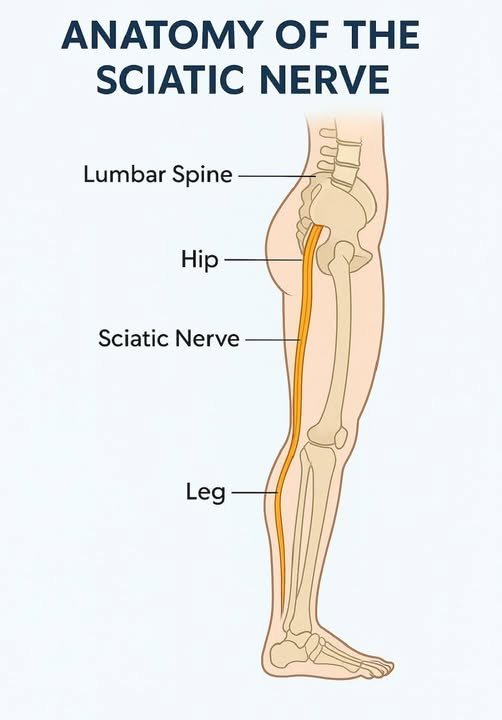
Nerve compression often causes symptoms in a specific pattern. Tarsal tunnel syndrome affects the sole and toes. Sciatica affects the back of the leg and foot. A herniated disc may affect a specific dermatome, a strip of skin supplied by a nerve root. A doctor can use physical tests, imaging, and nerve studies to identify the source.
Other Causes of Burning, Tingling, and Numbness
Other causes include alcohol use disorder, kidney disease, thyroid disorders, autoimmune conditions, infections such as HIV, Lyme disease, and hepatitis, frostbite, chemotherapy, inherited neuropathies, and restless legs syndrome. Restless legs syndrome causes an urge to move the legs, usually at night, but it is not typically numbness. A clinician can distinguish between these conditions.
How Doctors Evaluate Foot Symptoms
A doctor will start with a detailed history. They will ask when symptoms started, what makes them better or worse, whether they are one-sided or both, whether there is pain, weakness, or balance problems, and what medications and medical conditions are present.
A physical exam may include checking pulses in the feet, testing sensation with a monofilament, vibration, and temperature, testing reflexes, checking muscle strength, examining the skin, nails, and shoes, and looking for signs of poor circulation.
Tests may include blood glucose and A1C, vitamin B12 and folate, thyroid function, kidney function and electrolytes, complete blood count, nerve conduction studies and electromyography, ultrasound or angiography for circulation, and MRI for spinal nerve compression.
Home Care and Symptom Relief
Home care depends on the cause, but general measures can help. Inspect your feet daily. Look for cuts, blisters, redness, swelling, and nail changes. Use a mirror if needed. Wear well-fitting shoes and socks. Avoid tight shoes and walking barefoot, especially if you have numbness or diabetes. Keep feet clean and dry. Dry between the toes. Moisturize dry skin but avoid applying lotion between the toes. Avoid extreme temperatures. Do not use hot water bottles or heating pads on numb feet. Move regularly. Walking improves circulation and nerve health. Manage blood sugar, blood pressure, and cholesterol. Limit alcohol and avoid smoking. Ask about vitamin deficiencies before taking supplements. Do not ignore wounds. Seek care for cuts, ulcers, or infections.
Prevention: Protecting Your Feet and Nerves
Maintain healthy blood sugar. Control blood pressure and cholesterol. Exercise regularly. Eat a balanced diet rich in B vitamins, antioxidants, and fiber. Limit alcohol. Quit smoking. Wear protective footwear. Inspect feet daily. Attend regular medical checkups. Take medications as prescribed.
Red Flags: When to Seek Urgent Care
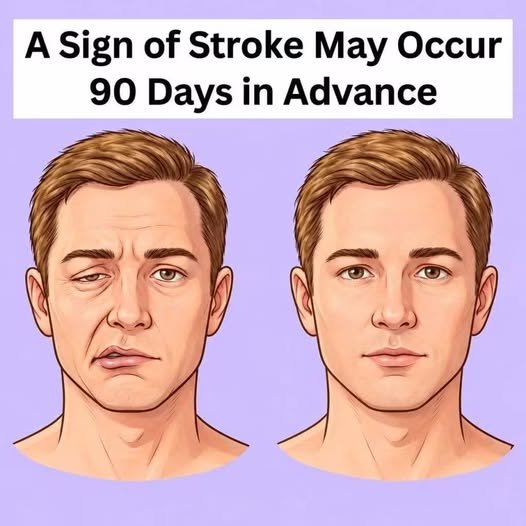
Seek emergency care if you have sudden numbness or weakness on one side of the body, facial drooping, or slurred speech, which may indicate a stroke. Seek emergency care for sudden severe foot pain with pale, cold, blue skin, which may indicate acute ischemia. Seek urgent care for a foot wound that is red, swollen, hot, or draining pus, especially with fever. Seek urgent care for severe pain, redness, or swelling in one leg, which may indicate a blood clot. Seek urgent care for numbness after a serious injury or signs of severe infection.
See a doctor promptly if burning, tingling, or numbness is persistent or worsening, symptoms affect both feet, you have diabetes and notice foot changes, you have pain with walking that improves with rest, you have unexplained weight loss, fatigue, or frequent urination, or you have a history of alcohol use, kidney disease, or vitamin deficiency.
Conclusion: Listen to Your Feet
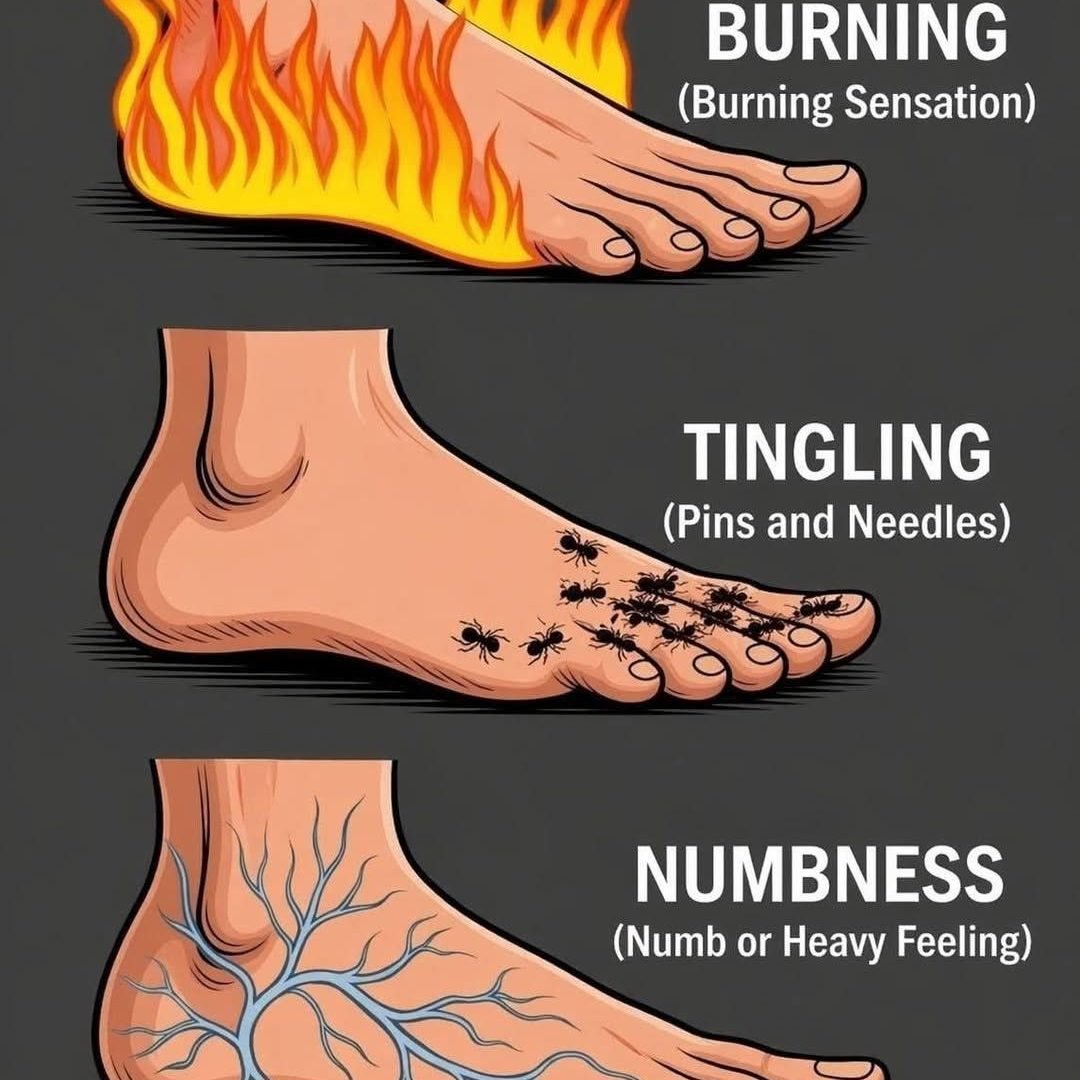
Burning, tingling, and numbness in the feet are not just uncomfortable sensations. They are signals from the nerves and blood vessels that keep you mobile and safe. The image of fire, ants, and blue veins captures the range of experiences: burning pain, prickling paresthesia, and heavy numbness. These symptoms can be temporary and harmless, but when they persist or progress, they deserve attention.
Do not ignore recurring foot symptoms. A simple medical evaluation can identify diabetes, vitamin deficiency, nerve compression, circulation problems, or another treatable condition. Early action can protect your nerves, your circulation, your mobility, and your independence. Your feet carry you through life. Listen to them.
Frequently Asked Questions
What causes burning, tingling, and numbness in the feet?
Common causes include peripheral neuropathy, diabetes, vitamin B12 deficiency, alcohol-related nerve damage, kidney disease, thyroid disorders, nerve compression, peripheral artery disease, and certain medications.
Is burning feet a sign of diabetes?
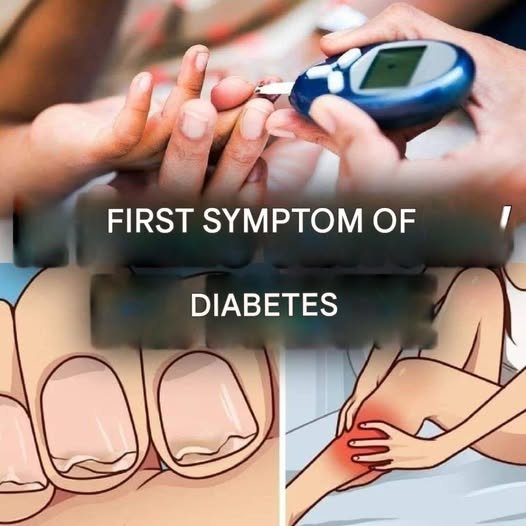
It can be. Diabetic peripheral neuropathy commonly causes burning, tingling, and numbness in the feet. If you have these symptoms, ask your doctor about blood sugar testing.
When should I worry about tingling in my feet?
See a doctor if tingling is persistent, worsening, affects both feet, or is accompanied by weakness, numbness, balance problems, or other neurological symptoms.
Can poor circulation cause numb feet?
Yes. Peripheral artery disease can cause cold, numb, heavy feet and pain with walking. Seek medical evaluation if you have these symptoms.
What vitamin deficiency causes tingling in the feet?
Vitamin B12 deficiency is a common cause. Folate and vitamin B6 imbalances can also affect nerves.
Can medications cause foot numbness?
Yes. Some chemotherapy drugs, antibiotics, HIV medications, and excess vitamin B6 can cause neuropathy. Do not stop medications without medical advice.
What is tarsal tunnel syndrome?
It is compression of the tibial nerve at the ankle, causing tingling, burning, and numbness in the sole and toes.
When is foot numbness an emergency?
Sudden numbness on one side of the body with facial drooping, arm weakness, or slurred speech may be a stroke. Sudden pale, cold, blue feet with severe pain may be acute ischemia. Seek emergency care.
How can I protect my feet if I have diabetes?
Inspect your feet daily, wear well-fitting shoes, keep feet clean and dry, avoid walking barefoot, manage blood sugar, and see a foot specialist regularly.
What tests are used for foot neuropathy?
Blood tests for diabetes, vitamin deficiencies, thyroid, and kidney function; nerve conduction studies; EMG; and sometimes imaging or skin biopsy.