Burning, Tingling, or Numbness in Your Feet: What These Sensations Could Mean and When to Get Help
Many people over 40 notice foot sensations more often. The reasons are varied: years of wear and tear, changes in circulation, metabolic conditions, medication use, and normal age-related changes in nerve function. Most episodes are not emergencies. But some patterns deserve prompt evaluation. The goal of this guide is to explain what burning, tingling, and numbness can mean, how doctors evaluate them, what conditions are commonly associated with them, what you can do at home, and when to seek care. It is educational information, not a substitute for diagnosis or treatment by a qualified clinician.
Understanding the Foot’s Nerve and Blood Supply
The foot is one of the most nerve-rich and circulation-dependent parts of the body. It contains bones, joints, muscles, tendons, ligaments, skin, and a dense network of sensory nerves. These nerves detect touch, temperature, vibration, and pain. They also help control balance and movement. Blood vessels deliver oxygen and nutrients to the nerves, muscles, and skin. When either the nerves or the blood supply are compromised, sensations can change.
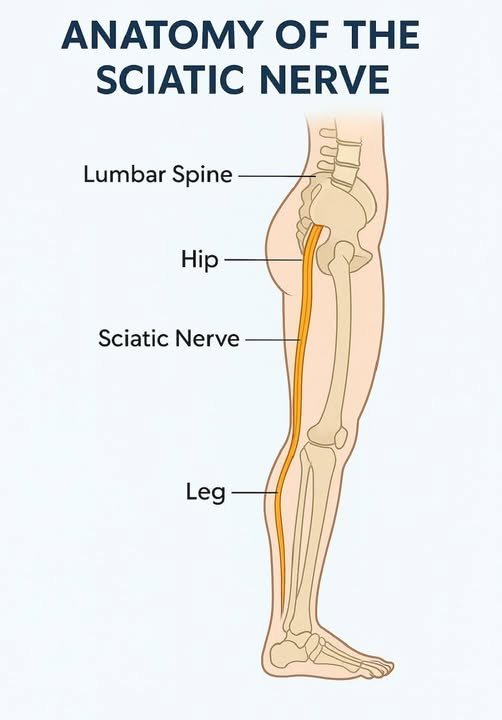
The major nerves that supply the foot include the tibial nerve, the common peroneal nerve, and branches of the sciatic nerve. These nerves originate in the lower spine and travel down the leg. Because they are long, they are vulnerable to compression, injury, and systemic conditions that affect nerves throughout the body. The skin of the foot is also supplied by small sensory fibers that detect temperature and pain. These small fibers are often affected early in certain conditions, especially diabetes.
Blood reaches the foot through the femoral, popliteal, anterior tibial, and posterior tibial arteries. When arteries narrow or become blocked, the foot may feel cold, tired, numb, or painful with walking. When veins are congested, the foot may swell and feel heavy. When small blood vessels are damaged, as in diabetes, nerves and skin can suffer.
Burning Sensation: What It Can Mean
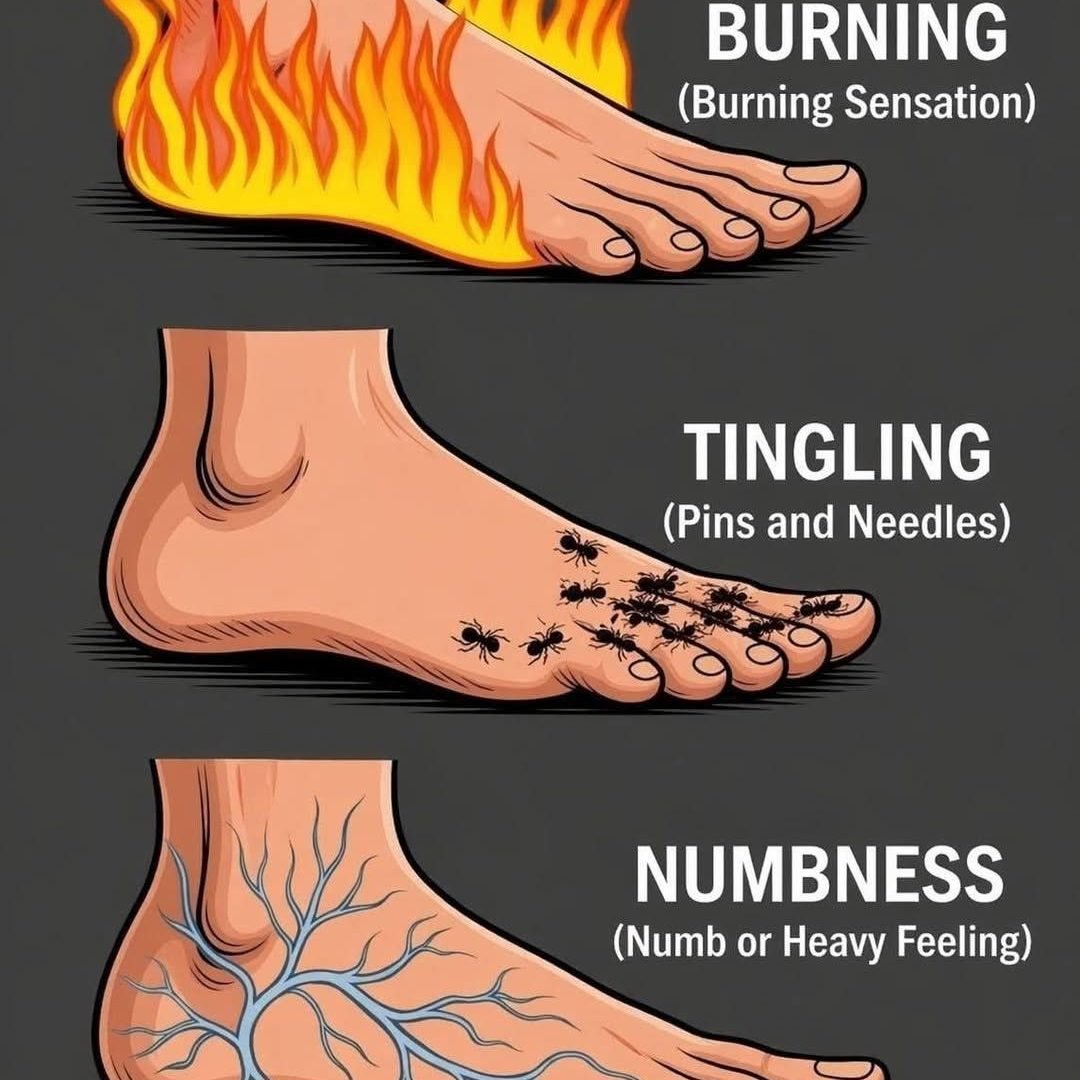
A burning sensation in the foot is often described as heat, searing, prickling, or walking on hot sand. It may affect the toes, the sole, the heel, or the whole foot. It can be constant or come and go. It may worsen at night, after activity, or when the foot is warm. Burning is commonly a nerve symptom, but it can also be related to skin conditions, circulation, or metabolic issues.
Peripheral Neuropathy
Peripheral neuropathy is one of the most common causes of burning feet. It occurs when the peripheral nerves are damaged or malfunctioning. The peripheral nerves are the nerves outside the brain and spinal cord. They carry signals between the central nervous system and the limbs, skin, and organs. When these nerves are damaged, they can send abnormal pain signals even when there is no injury. Burning is a classic feature of small-fiber neuropathy, which affects the small nerve fibers that detect pain and temperature.
Many conditions can cause peripheral neuropathy. Diabetes is the most common cause worldwide. Other causes include alcohol use disorder, vitamin B12 deficiency, kidney disease, thyroid disorders, chemotherapy, certain medications, infections, autoimmune conditions, and genetic neuropathies. Sometimes no specific cause is found, which is called idiopathic neuropathy.
Diabetes and High Blood Sugar
Chronically high blood sugar damages nerves and small blood vessels. Diabetic peripheral neuropathy often begins in the toes and feet. It can cause burning, tingling, numbness, and loss of sensation. Because the feet are farthest from the heart, they are often affected first. High blood sugar can also cause dehydration and changes in the skin, which may worsen discomfort.
Vitamin Deficiencies
Vitamin B12 deficiency can damage nerves and cause burning, tingling, and numbness. It can also affect balance and memory. Folate deficiency and vitamin B6 imbalance can affect nerves as well. A blood test can identify these problems. Vitamin B12 deficiency is more common in older adults, people with certain gastrointestinal conditions, and people who follow strict vegan diets without supplementation.