Are Radishes Really the Most Parasite-Contaminated Vegetable? A Balanced Look at the Risks and Realities
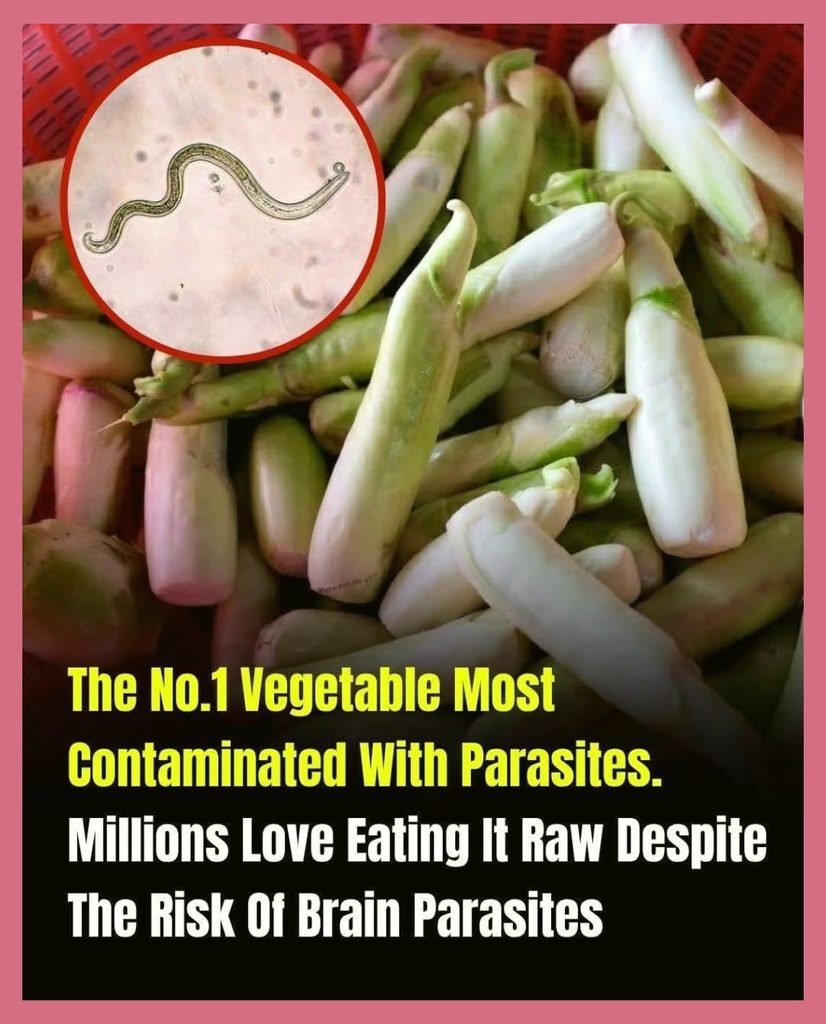
A viral social media post has reignited a familiar fear: that a specific vegetable is heavily contaminated with parasites, and that eating it raw could lead to brain parasites. The image suggests that radishes are the number one culprit. For anyone who enjoys a crisp radish in a salad or on a crudité platter, this claim can be deeply unsettling.
The short answer is that the risk is real, but the framing is often exaggerated. Radishes, like all root vegetables grown in soil, can carry parasites. However, they are not uniquely dangerous, and they are certainly not the only vegetable that poses a risk. The idea that millions of people are unknowingly consuming brain parasites is an alarmist oversimplification. The truth lies in understanding how contamination happens, what the actual risks are, and how to protect yourself through simple, effective food safety practices.
This comprehensive guide will examine the scientific evidence behind the viral claim, explore the types of parasites that can be found on raw produce, and provide a practical, evidence-based approach to enjoying radishes and other vegetables safely.
The Origin of the Claim: What the Science Actually Says
The viral post likely draws from a kernel of truth found in food safety research. Studies from various parts of the world have indeed found parasitic contamination on radishes.
A study analyzing vegetables in local markets in Alexandria, Egypt, found that radish and carrot showed the highest contamination rates, with 50% and 40% of samples contaminated, respectively. Another study from Taegu, Korea, found that young radishes contained more than ten times the number of ascarid eggs compared to Chinese cabbage. Research from Iran also reported contamination in radish samples, with one study finding a rate of 24.16%.
These studies confirm that radishes can be a vehicle for parasites. However, it is crucial to interpret these findings with context.
The Context of the Studies
The studies that report high contamination rates are often conducted in regions where sanitation infrastructure may be limited, where crops are irrigated with untreated wastewater, or where human and animal waste is used as fertilizer. In these environments, the risk of soil-borne contamination is significantly higher for all produce, not just radishes.
In contrast, some studies have found radishes to have the least contamination among the vegetables tested. One study found the lowest contamination rate in coriander and radish at 20%, while leek had the highest at 60%. This inconsistency across studies highlights a critical point: the risk is not inherent to the radish itself, but to the conditions under which it is grown, harvested, and handled.
The “Brain Parasite” Claim: A Rare but Serious Risk
The most alarming part of the viral claim is the mention of brain parasites. This refers to two distinct but rare scenarios:
Neurocysticercosis: This occurs when a person ingests the eggs of the pork tapeworm (Taenia solium). These eggs can be present on vegetables grown in soil contaminated with human feces. When ingested, the larvae can migrate through the bloodstream to the brain, forming cysts that can cause seizures and neurological damage.
Toxocariasis: This is caused by the eggs of Toxocara species, which are roundworms found in the intestines of dogs and cats. Eggs are shed in animal feces and can contaminate soil. If ingested, larvae can migrate to organs including the brain and eyes, causing severe complications.
While these conditions are real, they are not common in developed nations with modern sanitation and food safety regulations. The risk is significantly higher in regions where these parasites are endemic.
Why Root Vegetables Are Vulnerable
Understanding why radishes can carry parasites helps to demystify the risk.
The Soil Connection
Root vegetables grow underground. They are in direct contact with soil, which is a natural reservoir for parasite eggs and cysts. These microscopic eggs are sticky and can adhere firmly to the skin of the vegetable.
The Raw Consumption Factor
The risk is magnified when these vegetables are consumed raw. Cooking is the most effective way to kill parasites. When you eat a raw radish, any contaminants on its surface enter your body intact.
Types of Parasites You Might Encounter
The parasites found on raw vegetables range from microscopic protozoa to intestinal worms.
1. Soil-Transmitted Helminths
These include Ascaris lumbricoides (roundworm) and Trichuris trichiura (whipworm). Their eggs are microscopic and can survive in soil for months. Ingesting them can lead to abdominal pain, diarrhea, and malnutrition.
2. Protozoa
Giardia lamblia and Cryptosporidium are common protozoan parasites that can contaminate produce. They cause gastrointestinal illnesses characterized by diarrhea, cramps, and nausea.
3. Toxocara Species
As mentioned, these are roundworms from dogs and cats. Eggs can be found on vegetables grown in contaminated soil. Ingesting them can lead to visceral or ocular larva migrans, which can cause blindness and neurological issues.
Practical Strategies for Safe Consumption
You do not need to avoid raw vegetables. The risk can be drastically reduced with proper handling.
1. Wash and Scrub Thoroughly
Rinsing under tap water is the first step, but for root vegetables like radishes, use a scrub brush to physically remove soil from the surface. This is more effective than simply soaking.
2. Consider a Vinegar Soak
A diluted white vinegar solution (one part vinegar to three parts water) can help dislodge parasites and bacteria from the crevices of the vegetable. Soak for a few minutes, then rinse thoroughly.
3. Peel When Possible
Peeling radishes removes the outer layer where most parasites and dirt reside. While the skin contains nutrients, peeling is a reliable way to reduce risk.
4. Cook When in Doubt
If you are traveling in an area with poor sanitation or have a compromised immune system, cooking vegetables is the safest choice. Boiling, steaming, or stir-frying will destroy parasite eggs and cysts.
5. Wash Your Hands
Always wash your hands with soap and water before preparing food and after handling raw vegetables. This prevents cross-contamination.
When to Seek Medical Advice
If you experience persistent digestive symptoms (diarrhea, abdominal pain, nausea) after eating raw vegetables, or if you develop neurological symptoms like severe headaches, seizures, or confusion, seek medical attention. Be sure to tell your doctor what you have eaten.
Frequently Asked Questions
Q: Are radishes really the most contaminated vegetable? The evidence is mixed. Some studies show high contamination rates for radishes, while others show low rates. Leafy greens like lettuce and leeks often show higher contamination rates in many studies. The risk depends on the growing conditions.
Q: Can parasites on vegetables cause brain infections? Yes, but it is rare. The eggs of the pork tapeworm can cause neurocysticercosis, and the larvae of the rat lungworm can cause eosinophilic meningitis. These are rare but serious conditions.
Q: Does washing vegetables remove all parasites? Washing removes dirt and some contaminants, but parasite eggs are sticky. Scrubbing with a brush, soaking in vinegar, or peeling the vegetable is more effective.
Q: Is it safe to eat raw radishes? Yes, for most healthy people. However, you should always wash and scrub them thoroughly before eating.
Q: What is the best way to wash radishes? Use a scrub brush under running water to remove all visible dirt. You can also soak them in a diluted vinegar solution for a few minutes before rinsing.
Q: Can cooking kill parasites on vegetables? Yes. Thorough cooking is the most effective way to kill parasite eggs, cysts, and larvae.
Q: Are organic vegetables more likely to have parasites? Organic farming may use manure as fertilizer, which can be a source of parasites if not properly composted. However, contamination can occur in conventional farming as well. Always wash all produce.
Q: What should I do if I think I have a parasite? See a doctor. They can test for parasites and prescribe appropriate treatment. Do not self-medicate.
Conclusion
The viral claim that radishes are the most parasite-contaminated vegetable is an oversimplification of a complex food safety issue. While radishes can carry parasites, the risk is heavily dependent on how and where they are grown. The more alarming claim about brain parasites, while grounded in rare medical realities, is not a common threat in most developed nations. The most effective response is not fear, but education. By understanding the risks and adopting simple, proven food safety practices—thorough washing, scrubbing, peeling, and cooking when appropriate—you can safely enjoy the nutritional benefits of radishes and other raw vegetables.