The key to surviving a ruptured aneurysm is speed. If you or someone you are with experiences a sudden, severe headache, especially if it is accompanied by any of the other symptoms listed above, call 911 immediately. Do not wait to see if the symptoms go away.
The “FAST” Test: The American Stroke Association uses the FAST acronym to help people recognize the signs of a stroke, which can be caused by a ruptured aneurysm:
Face Drooping: Does one side of the face droop?
Arm Weakness: Is one arm drifting downward?
Speech Difficulty: Is speech slurred or strange?
Time to Call 911: If you observe any of these signs, call 911 immediately.
Part 5: Diagnosis and Treatment
If you are diagnosed with an unruptured aneurysm, your doctor will likely recommend a treatment plan based on the size, location, and growth of the aneurysm.
1. Observation: Small, unruptured aneurysms that are not growing may simply be monitored with regular imaging tests.
2. Surgical Clipping: A neurosurgeon opens the skull and places a small metal clip across the neck of the aneurysm, preventing blood from flowing into it.
3. Endovascular Coiling: A minimally invasive procedure where a catheter is threaded through the groin to the brain, and tiny coils are placed inside the aneurysm to block the flow of blood.
Conclusion:
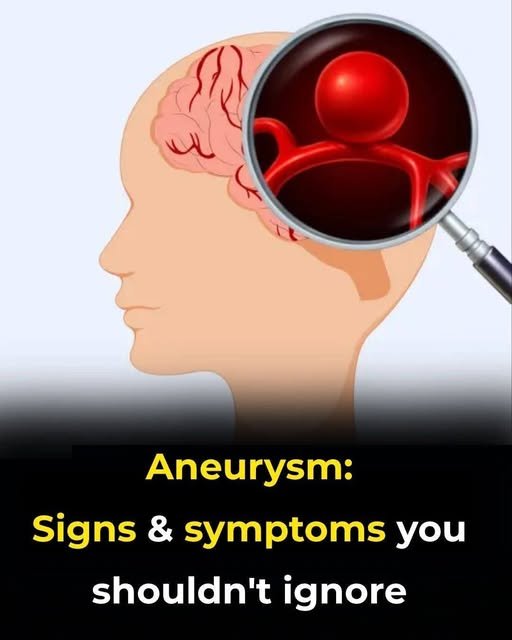
The image of the brain aneurysm is a reminder of how fragile our internal systems can be. An aneurysm is a silent threat that can strike without warning. But by knowing the symptoms of an unruptured aneurysm and recognizing the sudden, catastrophic signs of a ruptured aneurysm, you can act quickly and potentially save a life. Listen to your body, and if you experience a sudden, severe headache, do not ignore it. It might just be the warning sign that saves your life.