6 Still Overlooked Signs of a Silent Heart Attack (And Why You Must Not Ignore Them)
Introduction: The Heart Attack That Doesn’t Look Like a Heart Attack
When we imagine a heart attack, our minds immediately conjure a dramatic, cinematic scene: a person clutching their chest in agony, gasping for air, and collapsing to the ground. This classic image of a myocardial infarction is burned into our cultural consciousness. However, for a staggering number of people, a heart attack does not look like this at all. In fact, it often doesn’t look like anything more than a bad case of the flu, a bout of indigestion, or just a really exhausting week.
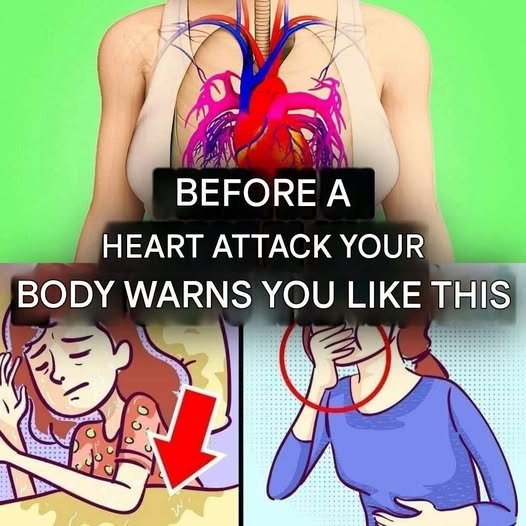
This is the terrifying reality of a Silent Heart Attack (medically known as a Silent Myocardial Infarction, or SMI). The image provided perfectly illustrates this stealthy threat. On the left, a woman lies awake in bed, looking utterly drained and clammy. On the right, a woman leans over a bathroom sink, covering her mouth as if she is about to vomit, clutching her stomach in discomfort. There is no dramatic clutching of the chest. Just quiet, easily dismissed symptoms.
A silent heart attack occurs when blood flow to a part of the heart is blocked, causing damage to the heart muscle, but the person experiences minimal, atypical, or no symptoms at all. According to the American Heart Association, an estimated 45% of all heart attacks are silent, and they are more common in women, older adults, and people with diabetes.
Because the symptoms are so easily attributed to other common ailments, the person often does not seek medical help. This is incredibly dangerous. The damage to the heart is just as real as a classic heart attack, and the risk of a subsequent, fatal heart attack is significantly higher. Recognizing the six overlooked signs is not just about knowing your body; it is about saving your life.