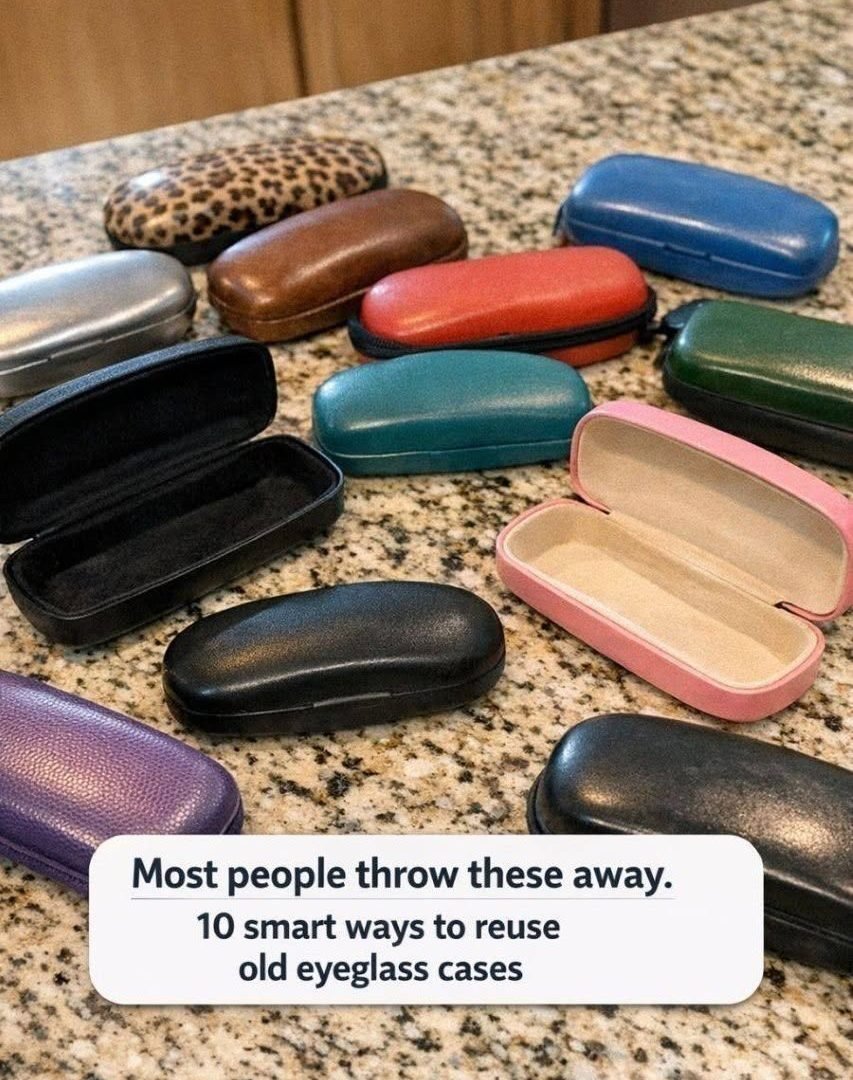
Don’t Throw Away Those Old Eyeglass Cases! 10 Genius Ways to Reuse Them
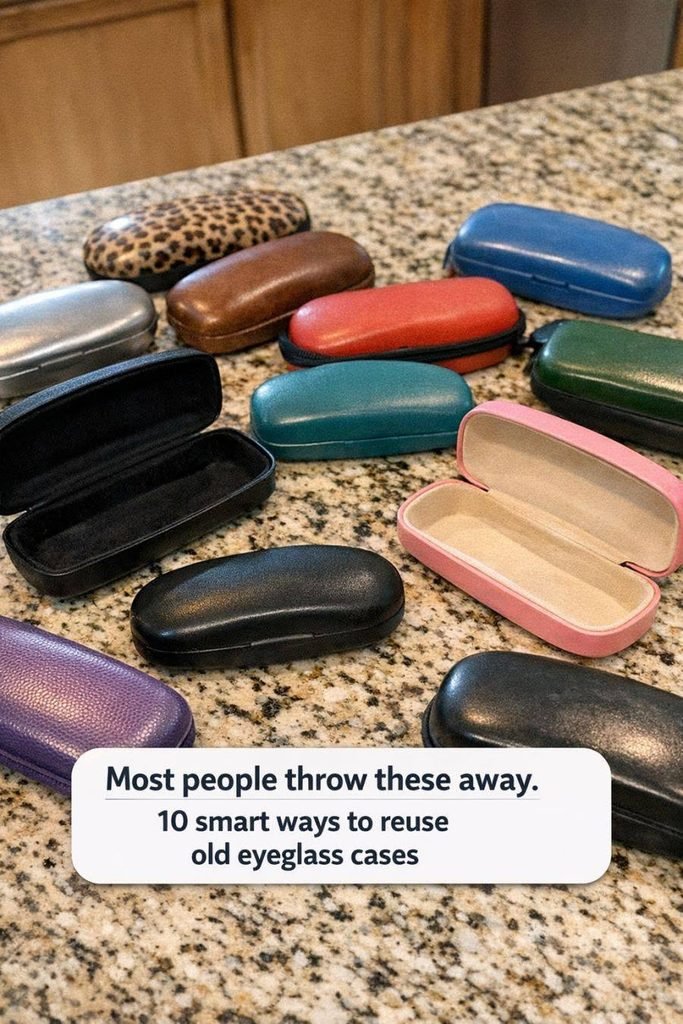
Look inside almost any drawer, purse, or glove compartment in America, and you will likely find a hidden collection: old eyeglass cases. They accumulate over time as we update our prescriptions or change our frames, leaving behind a trail of colorful, hard-shell clamshells. The instinct for most people is to toss them in the trash during a decluttering spree. After all, what use is a case without the glasses?
However, throwing away these durable little containers is a missed opportunity. Most eyeglass cases are designed to be incredibly sturdy, featuring tough exterior shells, soft felt or microfiber linings, and secure hinges or zippers. They are essentially miniature, protective vaults. With a little bit of creativity, these seemingly obsolete accessories can be transformed into highly practical organizers that solve a variety of everyday problems.
This comprehensive guide explores ten smart, innovative, and surprisingly useful ways to repurpose old eyeglass cases. By giving these items a second life, you can save money on organizational products, reduce plastic waste, and bring a new level of order to your home, car, and travel gear.
1. The Perfect Travel Jewelry Organizer
Anyone who travels knows the struggle of packing jewelry. Tangled necklaces, lost earrings, and scratched bracelets are common casualties of a jumbled toiletry bag. Commercial travel jewelry cases can be surprisingly expensive, often costing anywhere from $20 to over $100. An old eyeglass case offers a free, highly effective solution.
Why It Works
The rigid outer shell protects delicate pieces from being crushed in a suitcase, while the soft interior lining prevents scratches. Unlike a flimsy fabric pouch, the eyeglass case holds its shape, keeping fragile items safe.
How to Set It Up
To use your case as a jewelry organizer, start by giving the inside a good cleaning. If the felt is slightly worn, you can line it with a small piece of velvet or silk fabric. To prevent necklaces from tangling, use small, separate plastic zip-top bags for each piece, or thread them through a straw. Rings can be slipped into a small slit cut into a piece of foam that fits snugly into the case. Stud earrings can be secured directly into a piece of thick felt or a soft sponge to keep them paired and easily visible. This compact setup is perfect for weekend getaways or keeping your daily jewelry safe at the gym.
2. A Compact, Must-Have First Aid Kit
Emergencies happen, and having a basic first aid kit on hand is essential. While you can buy pre-assembled kits, they are often bulky and filled with items you do not need, while missing the things you do. An old eyeglass case is the ideal size for a personalized, portable emergency kit.
What to Pack Inside
The hard shell is perfect for protecting small, fragile items. A standard eyeglass case can comfortably hold:
A few assorted adhesive bandages (plasters).
A small packet of sterile gauze pads.
A travel-sized tube of antibiotic ointment.
A few alcohol prep wipes.
A small pair of tweezers (great for splinters).
A couple of safety pins.
Blister relief patches.
Keep one of these customized kits in your car’s glove compartment, in your desk drawer at work, or tucked into your hiking backpack. You can easily identify it by placing a red cross sticker or a piece of red electrical tape on the outside of the case.
3. The Ultimate Tech and Cable Organizer
The modern world is powered by a tangled mess of charging cables, earbuds, and USB drives. Finding the right cable in the bottom of a bag can be a frustrating daily chore. Eyeglass cases are a brilliant, low-cost solution for cable management.
Taming the Cords
Dedicate one eyeglass case to your tech accessories. Because the case is rigid, it prevents your expensive charging cables and earbuds from being crushed or bent at awkward angles.
To maximize the space, use Velcro cable ties or small elastic hair ties to wrap your cords neatly before placing them inside. You can fit a phone charger, a pair of wireless earbuds, a USB drive, and a backup battery pack in a single case. The felt lining provides a soft cushion, protecting your devices from scratches. Keep one in your laptop bag, and you will never have to untangle a cord again.
4. A Handy, Portable Sewing Kit
Whether you are traveling or simply live in a small apartment, having a mini sewing kit is incredibly useful. A missing button or a torn hem can ruin an outfit, but an eyeglass case can house everything you need to fix it in a pinch.
Assembling Your Kit
The rigid structure of the case is perfect for keeping sharp needles safe and contained. Here is what to include:
A small assortment of hand-sewing needles (stick them through a small piece of felt or cardstock to keep them organized and prevent them from getting lost).
A small pair of thread snips or folding scissors.
Several small spools of thread in basic colors (black, white, navy, and beige).
A thimble.
A small seam ripper.
A few safety pins and spare buttons.
This tiny kit can easily slip into a suitcase or a desk drawer. It is a perfect example of how a discarded item can become a highly practical, money-saving tool.
5. A DIY Travel Art Kit for Kids (or Adults)
For creative individuals or parents looking for a way to entertain children on the go, an eyeglass case makes a fantastic miniature art studio.
What to Include
The hard exterior protects fragile art supplies, making it an excellent choice for travel. You can pack:
A few colored pencils or crayons (cut down to size if necessary).
A small eraser.
A pencil sharpener.
A tiny sketchbook (look for mini-journals that fit the dimensions of the case).
A small glue stick.
For adults, it can hold a specialized set of drawing tools, calligraphy pens, or watercolor brushes. The organization provided by the case keeps everything neat, so you can easily pull it out and start creating wherever inspiration strikes.
6. A Spice or Tea Bag Holder
For campers, RV owners, or anyone who likes to keep their kitchen organized, old eyeglass cases have a surprising culinary application. The hard shell and tight closure make them excellent for keeping small items dry and secure.
Tea and Spices on the Go
If you are a tea lover, use a clean eyeglass case to store your favorite tea bags. It prevents them from getting crushed at the bottom of your purse or luggage and keeps them away from moisture and strong odors.
Similarly, for camping or a picnic, you can pre-measure spices into small plastic bags and store them in the case. This prevents your precious salt, pepper, or custom spice blends from spilling all over your gear. Just be sure to label the outside of the case (e.g., “Teas” or “Camp Spices”) so you do not confuse it with a medical kit.
7. A Secure Mini Medication or Vitamin Case
If you take daily vitamins or need to carry essential medications like pain relievers or antihistamines, an old eyeglass case provides a discreet and secure way to transport them.
Keeping Pills Safe
While you should always keep medications in their original child-proof containers at home, a hard case is useful for a daily dose or an emergency stash in your bag. The hard shell protects pills from being crushed, and the opaque design keeps your medical information private.
To make it even more organized, you can fit a small, weekly pill organizer inside the case. If you are using it for medications, avoid the felt-lined cases or place the pills in a small zip-top bag first, as the fabric can be difficult to clean.
8. A Discreet Loose Change or Emergency Cash Stash
We all have a pile of loose change accumulating in our cars, on our nightstands, or at the bottom of our bags. An eyeglass case is the perfect size for a mini coin purse.
The “Just in Case” Fund
Keep one in your car for parking meters or drive-thru emergencies. Keep another in your desk drawer for vending machines. Because the case is opaque and closed, it keeps your cash and coins out of sight. You can also roll up a few emergency bills (like a $20 note) and tuck them into the case. It is a simple, practical way to stay prepared.
9. Garden Seed Storage
For gardening enthusiasts, keeping seeds organized and dry is essential for successful planting. Small seed packets can easily get lost, torn, or exposed to moisture in a shed or garage.
Organizing Your Garden
An eyeglass case is a brilliant, compact solution for storing seed packets. The rigid case keeps them flat and uncrushed, while the dark interior protects the seeds from light degradation.
You can organize your seeds by category (e.g., one case for herbs, one for flowers, one for vegetables) or by season. Place a small silica gel packet inside the case to absorb any lingering moisture, ensuring your seeds remain viable for the next planting season.
10. A Pet Travel Kit or Treat Dispenser
Our furry friends require just as much organization as we do. An old eyeglass case can be repurposed into a handy pet travel kit or a treat dispenser for walks and hikes.
Pet Supplies on the Go
If you use it for treats, simply fill the clean case with small, dry dog or cat treats. The hard shell prevents them from being crushed in your pocket or bag. Just ensure the case is thoroughly cleaned and lined with a food-safe material, like a small silicone liner or a piece of parchment paper, before adding food.
Alternatively, use it as a mini pet first-aid kit. It can hold a tick remover tool, a small roll of pet bandage, tweezers, and a small packet of styptic powder for minor cuts. Keep it in your car or hiking bag for peace of mind.
Conclusion: A Second Life for Everyday Items
The next time you find yourself staring at a drawer full of old eyeglass cases, do not view them as clutter to be discarded. Instead, see them as versatile, free organizational tools. From protecting your jewelry during travel to managing your tech cables and keeping your garden seeds dry, these durable little containers have endless potential. By upcycling them, you are not only saving money and reducing waste but also embracing a more creative, resourceful approach to everyday life. Give these ten ideas a try, and you may find that these forgotten cases are actually some of the most useful items you own.
Frequently Asked Questions
Can I wash an old eyeglass case before reusing it?
Yes. For hard-shell cases, you can wipe the inside and outside with a damp cloth and mild soap. If it is heavily soiled, you can use a little rubbing alcohol on a cloth. Avoid soaking the case in water, as the felt lining and hinges can be damaged. Allow it to air dry completely before using it for items like jewelry or medication.
How can I remove a musty smell from an old eyeglass case?
If the case smells musty or old, place a small bowl of baking soda inside, close the lid, and let it sit for a few days. Baking soda is a natural odor absorber. You can also place a dryer sheet or a small charcoal packet inside to freshen it up.
Are eyeglass cases safe for storing food items like tea or pet treats?
If you are storing dry goods like tea bags or pet treats, ensure the case is thoroughly clean and dry. It is highly recommended to line the case with a food-safe material (like parchment paper, a silicone liner, or a small zip-top bag) to create a barrier between the food and the case’s felt lining.
Can I donate old eyeglass cases?
Yes! Many organizations, such as the Lions Club and various optometry clinics, collect used eyeglass cases along with used glasses to distribute to people in need in developing countries. Check with your local optometrist or charity organizations to see if they accept donations.
How do I keep jewelry from tangling in an eyeglass case?
The best way to prevent tangling is to keep each piece separate. Use small, individual plastic zip-top jewelry bags for delicate chains, or thread necklaces through a drinking straw before securing the clasp. For earrings, poke them through a piece of thick felt or foam inserted into the bottom of the case to keep pairs together.