I Was Surprised to Learn Why Some Window Bars Curve at the Bottom – Most People Don’t Know the Real Reason!
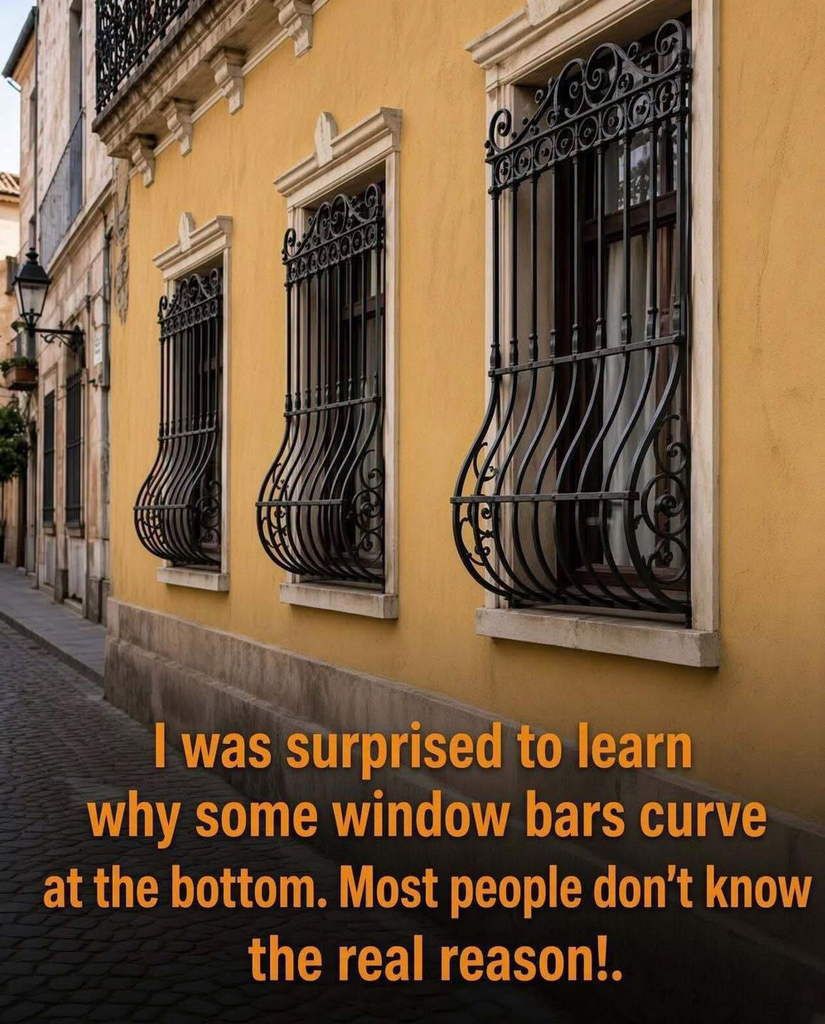
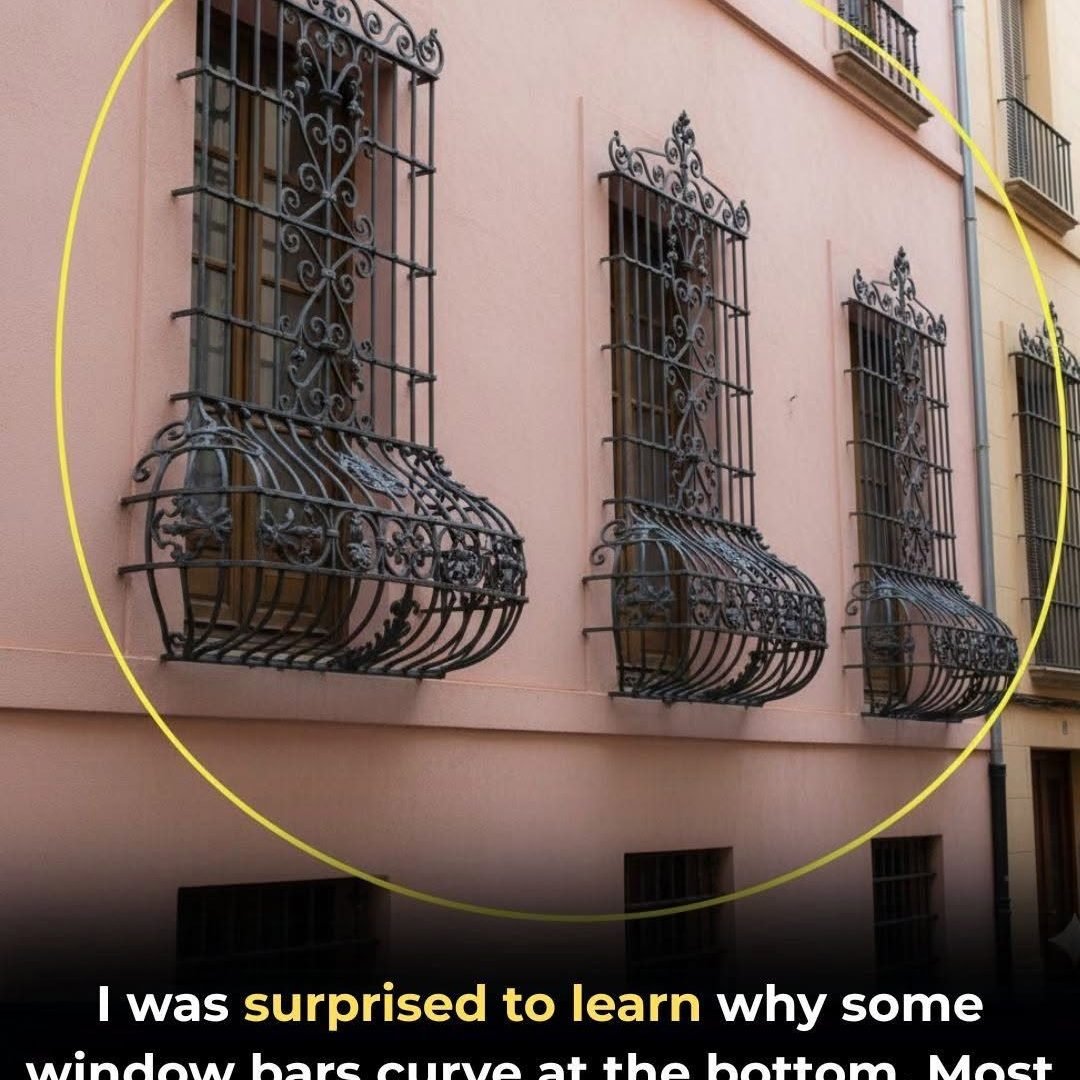
You’ve seen them in historic city centers, especially in places like Spain, Italy, and Portugal: ornate iron window grilles that swell outward at the bottom, like a potbelly or a small balcony basket. Most people assume they’re just decorative.
But they’re not. That outward curve serves a very practical purpose — and once you know it, you’ll see these windows everywhere. 👇
Disclaimer: This post is for informational purposes only.
🔬 The Real Reason for the “Potbelly” Curve
The curved shape at the bottom of these window grilles is a clever design solution for urban living. Here’s what it was actually for:
1. A Place to Put Babies for Fresh Air One of the most widely cited explanations is that the outward curve created a small platform where mothers could place their babies in a basket or cradle to get fresh air and sunlight while they worked inside the home . Before modern balconies and air conditioning, this was a safe way to let infants nap outdoors without being exposed to the street.
2. A Space for Potted Plants The curve also served as a small shelf for potted plants. It allowed residents to keep a bit of greenery or herbs outside the window without them falling into the street below.
3. Extra Room to Lean Out and Look The bulge gave residents more space to lean forward and look down the street — useful for watching for visitors or keeping an eye on the neighborhood . It’s a feature that made the window feel larger without taking up space inside the room.
4. Emptying Chamber Pots In older times, before indoor plumbing, the curve was sometimes used to safely empty chamber pots directly into the street below . The design kept waste away from the wall and reduced splashing.
❓ Frequently Asked Questions
What is the purpose of curved window bars? They were designed to provide a small, safe platform for babies to get fresh air, to hold potted plants, or to allow residents to lean out and look down the street.
Are curved window bars just for decoration? No — while they are often highly decorative, their original purpose was functional. They served as a practical extension of the window.
Where are these windows most common? You’ll see them most often in historic European cities, especially in Spain, Italy, and Portugal.
Do they still serve a purpose today? They’re mostly decorative now, but some people still use them for plants or as a small shelf.
Why do they curve outward instead of just being flat? The curve creates more usable space without blocking the interior of the room. It also allows for a better view of the street below.