Why Unplugging Household Devices Saves Energy and Supports a Safer Home
9. How Unplugging Devices Can Support Electrical Safety
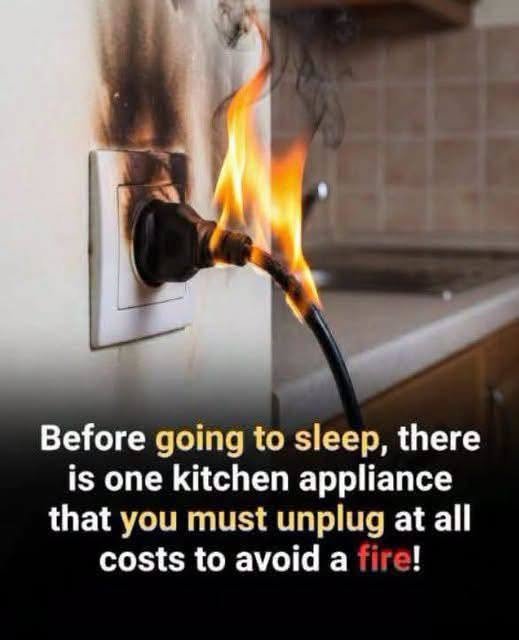
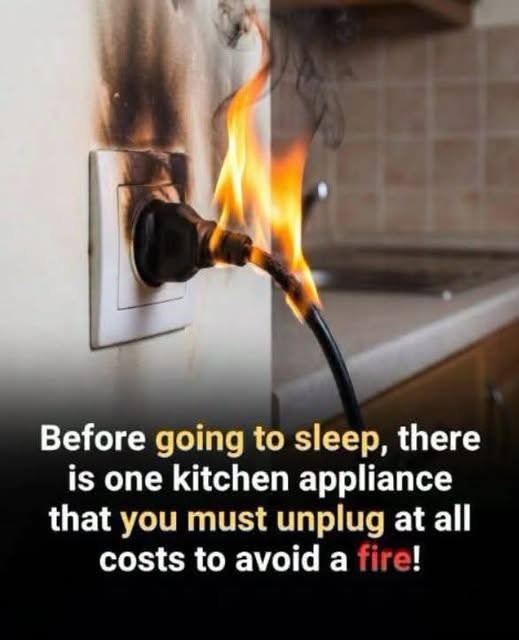
Reducing unnecessary electrical connections can contribute to a safer home environment.
Every connected appliance introduces another point where electrical problems could potentially occur, particularly when equipment, cables, or outlets are damaged.
Unplugging nonessential equipment when it is not needed can reduce the amount of energized equipment around the home.
This is particularly useful for small appliances that are frequently moved, handled, or stored.
However, unplugging appliances does not replace proper electrical maintenance.
Damaged outlets, overloaded circuits, defective extension cords, and deteriorating cables should be addressed by a qualified electrician.
Household electrical safety depends on the condition of the entire electrical installation, not simply the number of connected devices.
10. Can Unplugging Devices Protect Them During Thunderstorms?
Electrical storms can create conditions that increase the risk of damaging voltage surges.
Lightning can affect electrical distribution systems, potentially causing sudden changes in voltage that damage sensitive electronics.
Disconnecting nonessential equipment before a storm can reduce the risk of damage through its power connection.
This can be particularly useful for:
Televisions.
Desktop computers.
Gaming equipment.
Audio systems.
Other sensitive electronics.
However, unplugging should be done before the storm arrives.
It is not advisable to approach electrical outlets or handle connected cords during active lightning conditions.
Surge-protective devices can provide additional protection, although not every surge protector offers the same level of protection.
For valuable electronics, a properly installed whole-home surge protective device may provide another layer of defense.
11. Reducing the Risk of Electrical Problems From Unattended Appliances
Certain household appliances generate heat or operate with moving components.
Examples include heaters, cooking equipment, irons, and some small kitchen appliances.
Leaving such equipment connected or operating unattended can create unnecessary risks.
Turning off appliances after use and disconnecting suitable equipment when appropriate helps reduce the possibility of accidental operation.
However, it is important to distinguish between appliances that should be unplugged after use and equipment that requires continuous electricity.
A refrigerator, for example, must remain connected to preserve food safely.
Similarly, some heating, monitoring, and security systems require continuous operation.
The objective is not to disconnect everything but to identify unnecessary electrical use without compromising essential functions.
12. Why Damaged Chargers and Power Cords Deserve Special Attention
The condition of electrical accessories matters just as much as their energy consumption.
Damaged plugs, exposed wiring, loose connections, and cracked insulation can create electrical hazards.
A charger that becomes unusually hot, produces unusual sounds, or shows visible damage should not continue being used.
Similarly, power cords should not be trapped under furniture, stretched tightly, or placed near sources of excessive heat.
Unplugging damaged equipment does not repair it, but it removes the device from use until it can be replaced or properly assessed.
Always use compatible chargers and accessories that meet applicable electrical safety standards.
Avoid using counterfeit or poorly manufactured electrical products, especially for equipment that remains connected for long periods.
13. Do Power Strips Help Reduce Household Electricity Consumption?
Power strips can make it easier to control electricity use when several devices are connected together.
For example, a television, streaming device, gaming console, and speaker system may all connect to one appropriately rated power strip.
When the equipment is not needed, switching off the power strip can disconnect several devices simultaneously.
This is particularly convenient for entertainment areas and home offices.
However, power strips should be selected according to the electrical load and intended use.
Avoid connecting multiple power strips together or exceeding their rated capacity.
A surge-protective power strip can offer additional protection for suitable electronics, but an ordinary power strip does not automatically provide surge protection.
Some advanced power strips can also detect when a primary device is switched off and disconnect selected secondary devices.
These features can help simplify energy management.