Why Unplugging Household Devices Saves Energy and Supports a Safer Home
5. Household Devices That May Benefit From Being Unplugged
Not every electronic device needs to remain connected around the clock.
Some appliances are used only occasionally and can be disconnected when their functions are not required.
Phone and Tablet Chargers
Phone chargers are among the most commonly overlooked electrical accessories.
When a charger remains connected without a phone or tablet attached, some models continue consuming a small amount of electricity.
Modern chargers are generally designed to minimize this consumption, but unplugging unused chargers eliminates their remaining power draw.
It also reduces the number of unnecessary electrical accessories left connected around the home.
Televisions and Entertainment Equipment
Televisions, streaming devices, speakers, and older entertainment systems may consume electricity in standby mode.
Some devices remain ready to receive remote-control signals or maintain network connections.
If an entertainment system is not used frequently, disconnecting suitable components or using an appropriate switched power strip may reduce unnecessary consumption.
Before doing so, check whether the equipment needs software updates or scheduled recordings.
Desktop Computers and Monitors
Computers often use standby or sleep modes to make restarting faster.
Although sleep mode consumes less electricity than active operation, it does not always eliminate power consumption.
A desktop computer that will remain unused for an extended period can often be fully shut down.
For longer periods of inactivity, disconnecting nonessential accessories may also help reduce electricity use.
Printers and Scanners
Printers frequently remain connected even when they are used only occasionally.
Depending on the model, they may maintain wireless connections, display clocks, or perform background maintenance.
If a printer is not needed regularly, checking its power-management settings or disconnecting it between uses may be worthwhile.
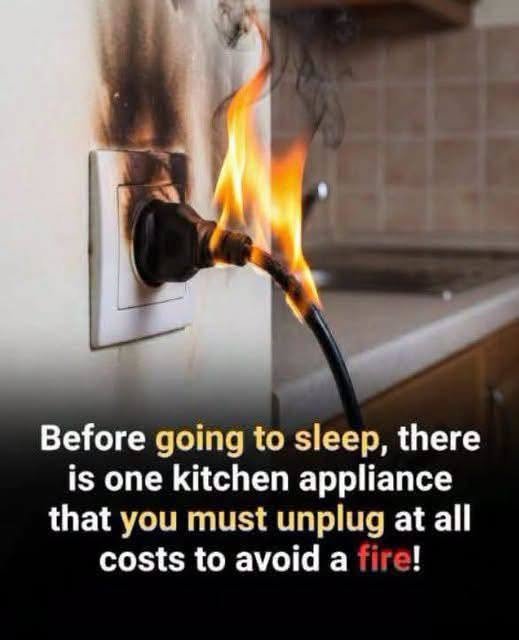
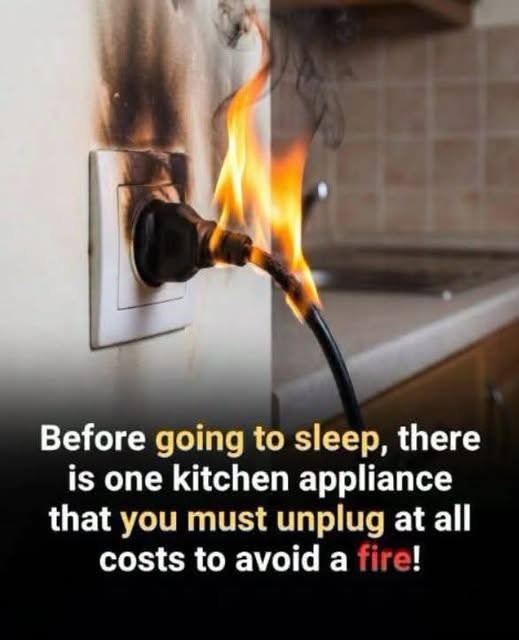
6. Kitchen Appliances That Can Be Disconnected
Many kitchen appliances are connected continuously, even though some are used only occasionally.
Examples include:
Electric kettles.
Toasters.
Coffee machines.
Blenders.
Food processors.
Rice cookers.
Small countertop appliances.
Some models have electronic displays, clocks, or standby functions that continue consuming electricity.
Unplugging suitable appliances after use can eliminate unnecessary standby consumption.
However, appliances should be switched off before being disconnected, and plugs should be handled with dry hands.
It is also important to allow equipment to cool when necessary and avoid disconnecting appliances by pulling their cords.
What About Microwaves?
Microwave ovens commonly use electricity to operate digital clocks and electronic controls, even when they are not heating food.
The consumption varies by model.
Unplugging a microwave can eliminate this standby consumption, but it may also reset the clock and programmed settings.
Whether this is worthwhile depends on the appliance’s measured consumption and how frequently it is used.
7. Why Gaming Consoles Can Consume Standby Electricity
Modern gaming consoles often include features that allow them to download updates, charge accessories, and resume games quickly.
These functions may require electricity even when the console is not actively being used.
Some consoles offer different power modes, including energy-saving settings and standby options.
Choosing a more efficient power mode can reduce unnecessary electricity consumption while preserving important functions.
For households where gaming equipment remains unused for extended periods, a complete shutdown may be more efficient than leaving the console in a standby state.
The best option depends on the manufacturer’s recommendations and the features the household wants to maintain.
8. Can Unplugging Appliances Extend Their Lifespan?
There is no universal evidence that unplugging every household appliance automatically makes it last longer.
However, disconnecting certain devices can reduce some forms of electrical exposure.
For example, an unplugged appliance cannot experience damage from electrical surges traveling through its disconnected power cord.
Some equipment may also benefit from reduced operating time if it otherwise remains partially active.
Nevertheless, appliance lifespan depends on many factors, including manufacturing quality, temperature, ventilation, maintenance, electrical supply, and frequency of use.
Unplugging should therefore be considered one possible protective measure, not a guaranteed way to extend the life of every device.