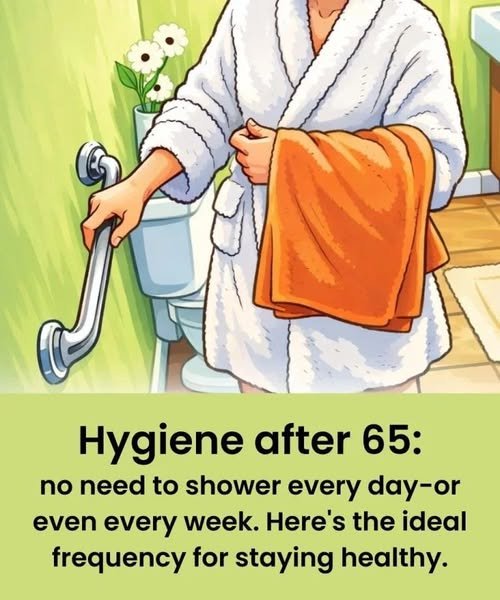
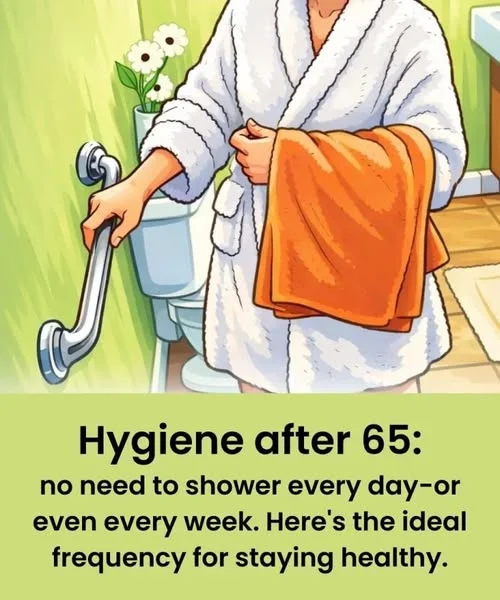
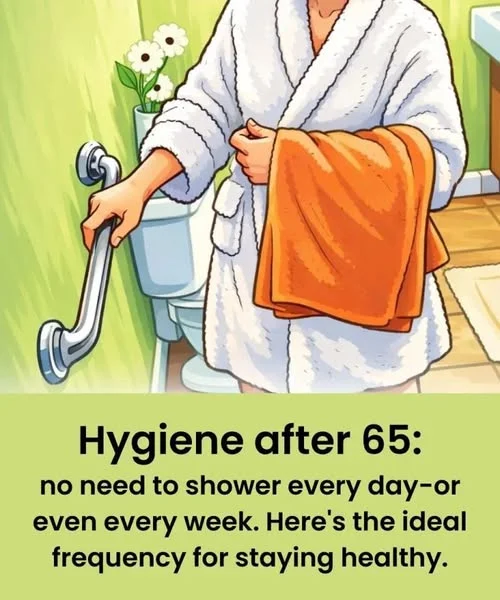
Why Daily Showers After 65 May Do More Harm Than Good: The Ideal Bathing Frequency for Healthy Aging
18. A Simple Weekly Hygiene Routine for Adults Over 65
Establishing a realistic weekly hygiene routine can make personal care easier while reducing unnecessary irritation.
The following example combines regular full-body bathing with daily essential hygiene.
Example of a gentle weekly routine
An adaptable example for an older adult with relatively low physical activity and no special medical bathing requirements.
Monday
Full shower and moisturizing
Tuesday
Daily essential washing and clean clothes
Wednesday
Daily essential washing and foot care
Thursday
Full shower and moisturizing
Friday
Daily essential washing and skin inspection
Saturday
Daily essential washing and fresh clothes
Sunday
Full shower if needed and moisturizing
This routine is not a medical prescription. It is a starting point that can be adjusted according to personal circumstances.
For example, someone who exercises regularly may need additional showers. Someone experiencing incontinence may need more frequent targeted cleaning.
The most important principles are:
Maintain daily essential hygiene.
Keep the skin clean and comfortable.
Avoid unnecessarily hot or prolonged showers.
Use gentle cleansing products.
Moisturize regularly.
Pay attention to unusual skin changes.
Consistency matters more than following a rigid schedule.
19. Conclusion: Healthy Hygiene Is About Balance, Not Showering Every Day
As people grow older, their skin changes, and their personal hygiene routines may need to change with it.
After 65, daily full-body showers are not necessarily required for everyone. For many older adults with relatively low activity levels, showering approximately two or three times a week, alongside daily washing of essential areas, can be a reasonable approach.
Reducing unnecessary full-body washing may help people who experience dry, itchy, or sensitive skin. However, the benefits depend on how bathing is performed, the products used, and individual health needs.
It is equally important to remember that good hygiene does not mean avoiding water. Regular handwashing, daily cleaning of important body areas, appropriate foot care, and changing into clean clothing remain essential.
When taking a shower, choose lukewarm water, keep bathing sessions short, avoid harsh soaps, and apply moisturizer afterward.
Older adults should also pay attention to bathroom safety, particularly if they experience balance difficulties or reduced mobility.
Ultimately, the best bathing routine is one that keeps you clean, protects your skin, and fits your lifestyle and medical needs.
Remember: Healthy aging is not about showering more or less than everyone else. It is about understanding your body’s changing needs and taking care of yourself in a way that supports comfort, cleanliness, and independence.
Frequently Asked Questions
1. How often should a 65-year-old take a shower?
There is no universal requirement. For many older adults who are not particularly active, taking a full shower two or three times weekly may be sufficient. Daily washing of the face, hands, underarms, and external genital area remains important. People who sweat heavily, exercise, or have particular medical needs may require more frequent bathing.
2. Is showering every day bad for people over 65?
Not necessarily. Daily showering is not automatically harmful. However, long showers, very hot water, and harsh soaps can worsen dryness and irritation, particularly in aging skin. If someone prefers daily showers, using lukewarm water, gentle cleansers, and moisturizer can help protect the skin.
3. Can older adults go a week without taking a full shower?
Some people with very low activity levels and specific personal circumstances may manage between full showers by maintaining careful daily hygiene. However, going an entire week without a full shower is not an appropriate general recommendation for everyone. The NHS suggests bathing or showering at least twice weekly, with daily washing of essential areas.
4. Why does skin become so dry after age 65?
Aging skin gradually becomes thinner and produces fewer natural oils. It also becomes less effective at retaining moisture. Environmental conditions, certain medications, and medical conditions can contribute to the problem. Hot water and harsh cleansing products may make the dryness worse.
5. What is the best soap for elderly people with dry skin?
A gentle, fragrance-free moisturizing cleanser is generally a good choice. Products designed for sensitive or dry skin may be more comfortable than strongly fragranced soaps or harsh antibacterial cleansers. Ingredients such as glycerin and ceramides can help support skin hydration.
6. Should older adults wash their private areas every day?
Yes. Daily gentle cleaning of the external genital area and bottom is an important part of personal hygiene. Use water and a mild, suitable cleanser when needed. Avoid aggressive scrubbing and strongly fragranced products, which can irritate sensitive skin.
7. Is warm or cold water better for older people’s skin?
Lukewarm water is generally preferable. Very hot water can remove natural skin oils and worsen dryness. Extremely cold water may also be uncomfortable. A short shower with comfortably warm water is a practical choice for most people.
8. How can elderly people prevent itching after showering?
Several simple habits can help:
Use lukewarm water.
Limit showers to approximately 5–10 minutes.
Choose fragrance-free cleansers.
Avoid rough sponges and aggressive scrubbing.
Pat the skin dry instead of rubbing.
Apply a moisturizing cream immediately after bathing.
If itching continues or becomes severe, seek medical advice because an underlying skin condition or another health problem may be responsible.
9. Is it important for elderly people to moisturize every day?
Yes, regular moisturizing can be particularly helpful for older adults with dry skin. A suitable cream or ointment helps retain moisture and support the skin’s protective barrier. Applying moisturizer after bathing, while the skin is slightly damp, is especially useful.
10. What is the safest way for seniors to shower if they have balance problems?
Bathroom safety should be a priority. Properly installed grab bars, nonslip surfaces, adequate lighting, and an appropriate shower chair can make bathing safer. Keep toiletries within reach and avoid rushing. Anyone experiencing significant balance difficulties should discuss suitable bathroom adaptations with a healthcare professional or occupational therapist.
Medical References and Further Reading
For additional evidence-based information about aging skin and personal hygiene, consult these reputable organizations:
Medical disclaimer: This article is intended for educational purposes only and does not replace individualized medical advice. Bathing frequency should be adapted to personal hygiene needs, skin conditions, mobility, and medical circumstances.