What Happens to the Body After Gallbladder Removal? 3 Possible Problems You Should Know About
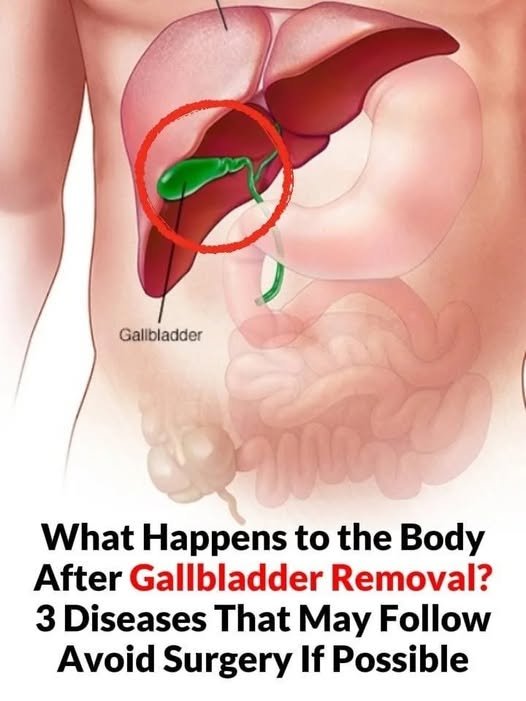
The gallbladder is a small, pear-shaped organ tucked beneath the liver, and for many people, it remains unnoticed until it begins to cause problems. When gallstones or inflammation trigger severe pain, nausea, and digestive distress, doctors often recommend cholecystectomy—the surgical removal of the gallbladder. It is one of the most commonly performed medical procedures worldwide, and for good reason: it provides definitive relief for millions of people suffering from gallbladder disease.
Yet, the decision to remove an organ is never taken lightly. Patients frequently ask what life will be like without their gallbladder. Will digestion change? Will new health issues emerge? And is there any way to avoid surgery altogether? The answers are nuanced. The gallbladder is not essential for life—it is, as one gastroenterologist describes, “a luxury, not a necessity”. The liver continues to produce bile, the digestive fluid that breaks down fats, and the body gradually adapts to the absence of this storage reservoir. For most people, the adjustment is smooth, and they resume normal activities within weeks.
However, the transition is not always seamless. Medical research has identified several potential long-term issues that can arise after gallbladder removal. These range from temporary digestive discomfort to more persistent conditions that require medical management. Understanding these possibilities is not a reason to fear surgery—it is a reason to be informed. This article explores what happens to the body after gallbladder removal, examines the three most significant problems that may follow, and provides a balanced look at the alternatives to surgery and the lifestyle strategies that can support digestive health before and after the procedure.
The Role of the Gallbladder in Digestion
To understand what changes after surgery, it helps to first appreciate what the gallbladder actually does. The liver produces bile continuously, but the gallbladder serves as a storage unit. Between meals, bile flows into the gallbladder, where it is concentrated and held. When you eat—particularly when you consume fat—the gallbladder contracts and releases a surge of bile into the small intestine to emulsify fats and aid in their absorption.
When the gallbladder is removed, this storage mechanism disappears. Bile now flows directly from the liver into the small intestine, a continuous trickle rather than a coordinated surge. For many people, the digestive system adapts to this new rhythm without significant issues. The liver continues to produce bile, and the intestines adjust to the continuous presence of the fluid. But in some cases, this altered flow can contribute to the problems discussed below.
Problem 1: Post-Cholecystectomy Syndrome
Post-cholecystectomy syndrome (PCS) is a term used to describe persistent or new abdominal symptoms that occur after gallbladder removal. It is more common than many people realize, affecting an estimated 5% to 47% of patients who undergo the procedure. The wide range reflects the complexity of the condition and the difficulty in defining it precisely.
Symptoms of PCS
The symptoms of post-cholecystectomy syndrome are often vague and nonspecific. Rather than the sharp, intense pain of a gallbladder attack, patients may experience:
Dyspepsia: A general sense of indigestion, including vague abdominal discomfort, bloating, and a feeling of fullness after eating.
Gas and bloating: Increased flatulence and abdominal distension, particularly after meals.
Nausea: A persistent queasy feeling, sometimes accompanied by vomiting.
Diarrhea: Loose or frequent stools, which may be related to bile acid malabsorption (discussed below).
Why Does PCS Occur?
The causes of post-cholecystectomy syndrome are varied. In some cases, symptoms are due to a retained stone in the bile duct that was not removed during surgery. In others, the issue lies with the sphincter of Oddi, the muscular valve that regulates the flow of bile and pancreatic juices into the intestine. Functional or structural abnormalities of this sphincter can cause altered biliary pressures or heightened sensitivity, leading to pain that mimics the original gallbladder attacks.
Other potential contributors include pancreatitis, gastroesophageal reflux disease (GERD), and pre-existing functional gastrointestinal disorders that were present before surgery and are now misattributed to the absence of the gallbladder.
Management of PCS
Treatment for post-cholecystectomy syndrome depends on the underlying cause. For patients with bile acid diarrhea, bile acid-binding resins such as cholestyramine can help. If a retained stone is identified, an endoscopic procedure may be necessary to remove it. In cases related to sphincter dysfunction, medications or other interventions may be considered. For many patients, symptoms improve over time as the digestive system adapts, and dietary adjustments—such as eating smaller, lower-fat meals—can significantly reduce discomfort.
Problem 2: Bile Acid Diarrhea and Irritable Bowel Syndrome (IBS)
Diarrhea is one of the most common side effects after gallbladder removal. Research suggests that about half of people who undergo the surgery may experience it. In most cases, the diarrhea is mild and resolves within a few weeks to months as the body adjusts. But for some, it can persist and become a chronic issue.
The Mechanism Behind Bile Acid Diarrhea
The continuous flow of bile into the large intestine can act as a laxative. Bile acids, which are normally reabsorbed in the small intestine, may reach the colon in larger quantities after the gallbladder is gone. This excess can stimulate water secretion and speed up intestinal transit, leading to watery stools, urgency, and abdominal cramping.
The Link to IBS
A growing body of evidence points to a connection between gallbladder removal and the development of irritable bowel syndrome (IBS), particularly the diarrhea-predominant subtype (IBS-D). A large study using data from the UK Biobank found that people who had their gallbladder removed had a 46% higher risk of developing IBS compared to those who had not had the surgery. The altered signaling between the gut and the brain, combined with the continuous flow of bile, may set the stage for this functional bowel disorder.
Managing Diarrhea After Surgery
For many people, mild diarrhea after gallbladder removal is not a cause for concern and gradually improves. However, medical care is recommended if diarrhea contains blood or pus, wakes you from sleep, lasts more than four weeks, or is accompanied by weight loss, fever, or severe abdominal pain.
Treatment options include:
Antidiarrheal medications: Such as loperamide (Imodium A-D).
Bile acid binders: Medications like cholestyramine that remove excess bile acids from the body.
Dietary adjustments: Limiting caffeine, dairy products, greasy foods, and very sweet foods may help reduce symptoms.
Problem 3: Retained or Recurrent Bile Duct Stones
Although the gallbladder is removed, gallstones can still form in the bile ducts. This can happen if a stone was missed during surgery (a retained stone) or if new stones develop over time. The risk of post-cholecystectomy biliary complications is relatively low—about 1.5%—but it is a recognized possibility.
How Do Stones Form After Surgery?
Up to 10% of patients with symptomatic gallstones also have stones in the common bile duct at the time of surgery. If these are not identified and removed, they can cause problems later. Additionally, after cholecystectomy, brown pigment stones may form as a result of bile stasis (slowed flow) or infection, particularly if there is a postoperative stricture or narrowing in the duct.
Symptoms and Diagnosis
A retained or recurrent stone can cause symptoms similar to the original gallbladder attacks: severe upper abdominal pain, nausea, vomiting, and sometimes jaundice (yellowing of the skin and eyes) if the stone blocks the bile duct. Diagnosis typically involves imaging studies such as ultrasound, CT scan, or magnetic resonance cholangiopancreatography (MRCP).
Treatment
The treatment for bile duct stones usually involves an endoscopic procedure called ERCP (endoscopic retrograde cholangiopancreatography), during which a specialist can locate and remove the stone. In some cases, surgery may be required.
Can You Avoid Gallbladder Surgery?
For patients with mild or asymptomatic gallstones, the question of whether surgery can be avoided is a valid one. In some cases, a “watch and wait” approach may be recommended, particularly if the stones are small and not causing symptoms. However, it is important to understand that gallstones do not typically disappear on their own, and the risk of complications—such as inflammation of the gallbladder (cholecystitis), pancreatitis, or bile duct obstruction—remains.
Non-Surgical Alternatives
Several non-surgical options exist, though they are not suitable for everyone:
Medication: Certain medications, such as bile acid pills, can dissolve cholesterol gallstones over time. However, this approach takes months to years, is only effective for small cholesterol-based stones, and the stones may recur after treatment is stopped.
Shock wave lithotripsy: This non-invasive procedure uses shock waves to break gallstones into smaller fragments that can pass through the bile ducts. It is most effective for smaller stones and is not appropriate for all patients.
Dietary and lifestyle changes: A low-fat diet, weight management, and regular physical activity can help reduce the risk of gallstone formation and manage symptoms.
It is crucial to discuss these options with a healthcare provider. For many patients with recurrent or severe symptoms, surgery remains the most effective and definitive treatment. The decision should be based on the size and type of stones, the severity of symptoms, and the individual’s overall health.
Living Well After Gallbladder Removal: Practical Strategies
Whether you are preparing for surgery or recovering from it, certain lifestyle adjustments can support digestive comfort and long-term health.
Dietary Adjustments
Eat smaller, more frequent meals: This reduces the burden on the digestive system and helps the body manage the continuous flow of bile.
Limit fatty, greasy, and fried foods: These are harder to digest without a stored bile surge. Choose lean proteins, whole grains, and plenty of fruits and vegetables.
Increase fiber gradually: Fiber helps regulate bowel movements and can reduce diarrhea. Sources include whole grains, legumes, fruits, and vegetables.
Stay hydrated: Drinking adequate water supports digestion and helps prevent dehydration, especially if diarrhea occurs.
Consider probiotics: Foods like yogurt and kefir, or probiotic supplements, may help support gut health, though responses vary.
Lifestyle Habits
Maintain a healthy weight: Obesity is a risk factor for gallstone formation. Gradual, sustainable weight loss is preferable to rapid weight loss diets, which can actually worsen gallbladder problems.
Exercise regularly: Physical activity supports healthy digestion and overall well-being.
Keep a food diary: Tracking what you eat and how you feel can help identify trigger foods and patterns.
When to Seek Medical Attention
Most people adjust well after gallbladder removal, but certain symptoms warrant a prompt medical evaluation. Contact your doctor if you experience:
Severe or persistent diarrhea.
Unexplained weight loss.
Jaundice (yellowing of the skin or eyes).
Constant or severe abdominal pain.
Fever or signs of infection.
Conclusion: A Balanced Perspective on Life Without a Gallbladder
Gallbladder removal is a safe and effective procedure that brings relief to millions of people. The body is remarkably adaptable, and for the majority of patients, life after surgery is normal and comfortable. The liver continues to produce bile, and the digestive system gradually adjusts to the continuous flow.
The three potential problems discussed—post-cholecystectomy syndrome, bile acid diarrhea and IBS, and retained bile duct stones—are real but not inevitable. Being aware of them empowers you to recognize symptoms early and seek appropriate care. Simple dietary and lifestyle adjustments can significantly reduce the risk of discomfort and support long-term digestive health.
For those facing the decision of whether to undergo surgery, the choice is not always straightforward. Non-surgical alternatives exist, but they are not suitable for everyone and carry their own limitations. The most important step is to have an open, informed conversation with your healthcare provider about your specific situation, symptoms, and goals. With the right knowledge and support, you can navigate the path forward with confidence and protect your digestive well-being for years to come.
Frequently Asked Questions
What happens to digestion after gallbladder removal?
Without a gallbladder, bile flows continuously from the liver into the small intestine rather than being stored and released in bursts. Most people adapt to this change, but some may experience temporary digestive symptoms such as bloating, gas, or diarrhea, especially after eating fatty foods.
Is it possible to avoid gallbladder surgery?
In some cases, yes. If gallstones are small and asymptomatic, a “watch and wait” approach may be recommended. Non-surgical options include medications to dissolve stones and shock wave lithotripsy, but these are not suitable for everyone and may not provide a permanent solution. Surgery is often the most definitive treatment for recurrent or severe symptoms.
What are the most common long-term effects of gallbladder removal?
The most common issues include digestive changes (post-cholecystectomy syndrome) such as bloating, gas, and indigestion; diarrhea related to bile acid malabsorption; and an increased risk of irritable bowel syndrome (IBS). Less commonly, retained or recurrent bile duct stones can occur.
Does gallbladder removal affect life expectancy?
No. Gallbladder removal does not shorten life expectancy. In fact, some sources suggest it may even improve long-term health by prompting healthier dietary choices.
How long does it take to recover from gallbladder removal?
Recovery time varies, but many people can return to normal activities within a few weeks. Digestive symptoms often improve within three to six months as the body adjusts. Laparoscopic surgery, the most common approach, typically involves a shorter recovery period.
What foods should I avoid after gallbladder removal?
It is often recommended to limit or avoid fatty, greasy, and fried foods, as well as very sweet foods and excessive caffeine, as these can trigger diarrhea and discomfort. A diet rich in fiber, lean proteins, and gradual introduction of healthy fats is generally well-tolerated.
Can gallstones come back after gallbladder removal?
Gallstones can form in the bile ducts even after the gallbladder is removed. This is known as a retained or recurrent bile duct stone and occurs in a small percentage of patients. It can be treated with an endoscopic procedure to remove the stone.
When should I see a doctor after gallbladder removal?
Seek medical attention if you experience severe or persistent diarrhea, unexplained weight loss, jaundice (yellowing of the skin or eyes), constant abdominal pain, or fever. These symptoms may indicate a complication that requires evaluation and treatment.