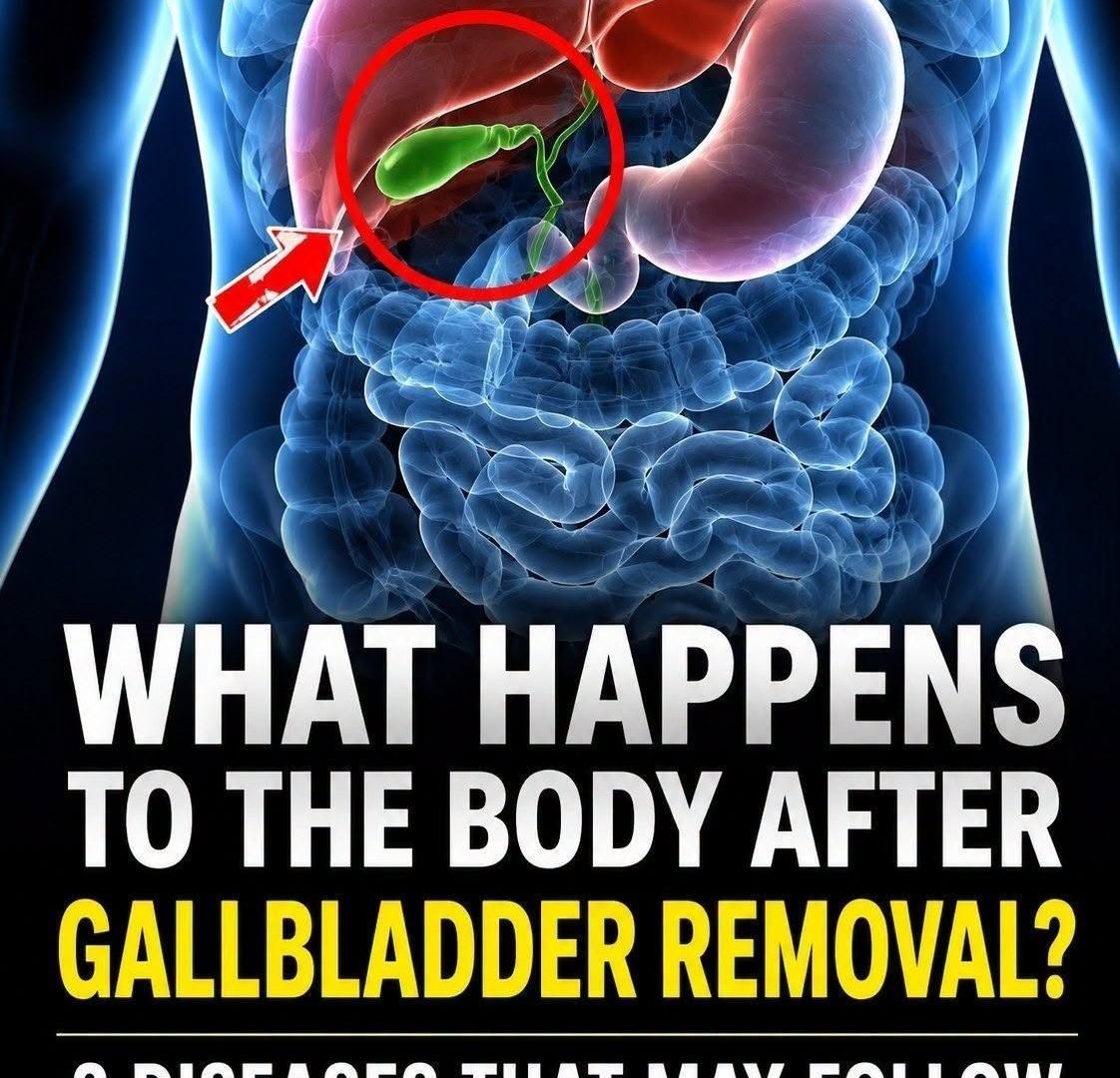
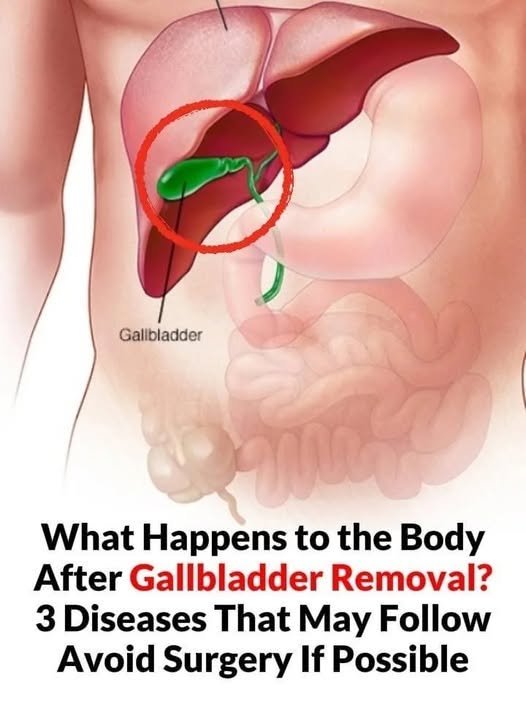
What Happens to the Body After Gallbladder Removal? 3 Diseases That May Follow – Avoid Surgery If Possible
Can You Avoid Surgery? The Truth About Alternatives
The viral post’s advice to “Avoid Surgery If Possible” resonates with many patients who are understandably hesitant about losing an organ. Is it truly possible to manage gallstones without surgery? The answer is nuanced and depends entirely on the severity of the condition.
When Surgery is Absolutely Necessary
It is crucial to understand that for certain patients, surgery is not optional—it is life-saving. You should not avoid surgery if you have:
Acute Cholecystitis: Inflammation of the gallbladder, which can lead to infection and rupture.
Acute Pancreatitis: Inflammation of the pancreas caused by a gallstone blocking the pancreatic duct, which can be life-threatening.
Choledocholithiasis: A gallstone stuck in the common bile duct, which can cause jaundice and severe liver damage.
Repeated, Severe Biliary Colic: Intense pain that disrupts daily life and cannot be managed otherwise.
Conservative Management: An Option for Some
For patients with uncomplicated, mild, or infrequent symptoms, conservative management may be a viable alternative. A 2026 systematic review and meta-analysis published in BMC Surgery compared surgery to conservative management for uncomplicated gallstones. The study found that while surgery was better at preventing future biliary colic and gallstone complications, conservative management was associated with fewer overall surgical complications.
This means that for a select group of patients—particularly those at high surgical risk—living with gallstones under medical supervision is a reasonable option.
The Gallbladder-Preserving Approach: Cholelithotomy
For patients who strongly wish to keep their gallbladder, a procedure called gallbladder-preserving cholelithotomy (GPC) exists. This surgery removes only the stones, leaving the gallbladder intact.
The Criteria: This procedure is only suitable for a very specific subset of patients. Ideal candidates have a functional gallbladder (ejection fraction >50%), a thin gallbladder wall (≤3 mm), and a small number of stones (≤3 stones, each <3 cm).
The Results: A case series published in the Annals of Medicine and Surgery reported that in carefully selected patients, GPC is a “simple, safe and acceptable procedure” with no stone recurrence during a median follow-up of three years. However, if the gallbladder is severely damaged or inflamed, this procedure is not possible, and removal is necessary.
The Role of Diet After Gallbladder Removal
If you have already had your gallbladder removed or are scheduled for surgery, diet becomes your most powerful tool for managing the long-term consequences.
Managing Bile Acid Diarrhea
The continuous flow of bile can be managed by eating smaller, more frequent meals rather than large, heavy ones. This reduces the volume of bile that enters the colon at any one time. Limiting very high-fat meals is also crucial, as fat stimulates bile production and can overwhelm the digestive system.
Supporting Gut Health
To counteract the gut dysbiosis caused by surgery, a diet rich in soluble fiber (oats, beans, apples) and fermented foods (yogurt, kefir, sauerkraut) can help nourish beneficial bacteria. Probiotics may offer relief for certain individuals, though responses vary.
The Mediterranean Diet
Adopting a Mediterranean-style diet—rich in fruits, vegetables, whole grains, lean proteins, and healthy fats—is one of the best ways to support metabolic health and reduce the risk of the long-term diseases associated with gallbladder removal.
Conclusion: A Balanced View of a Complex Surgery
The viral image warning about the diseases that may follow gallbladder removal is not entirely alarmist. It highlights a significant truth: the gallbladder is a functional organ, and its removal is not without long-term metabolic and gastrointestinal consequences. The links to IBS, metabolic syndrome, and type 2 diabetes are supported by a growing body of peer-reviewed research.
However, the advice to “avoid surgery if possible” requires careful context. For patients with severe, symptomatic gallstones, surgery remains the gold standard and is often necessary to prevent life-threatening complications. The key is a personalized approach. For those with uncomplicated disease, conservative management or, in rare cases, gallbladder-preserving surgery may be options worth discussing with a specialist. For those who do undergo surgery, understanding the risks and adopting a proactive, gut-friendly diet can mitigate many of the long-term effects. The goal is not to fear the surgery, but to be fully informed about its consequences and to take control of your digestive health, both before and after the operation.
Frequently Asked Questions
Is it true that you can live without a gallbladder?
Yes. The gallbladder is not essential for life. The liver continues to produce bile, which flows directly into the small intestine. However, the body must adapt to the lack of a storage reservoir for bile, which can cause digestive changes.
What is postcholecystectomy syndrome?
Postcholecystectomy syndrome (PCS) refers to the persistence of abdominal symptoms—such as pain, bloating, indigestion, and nausea—after gallbladder removal. It occurs in 5% to 47% of patients and is often related to the altered flow of bile or changes in the sphincter of Oddi.
Can gallbladder removal cause IBS?
Research, including a large UK Biobank study, has found a significant association between gallbladder removal and a 46% higher risk of developing irritable bowel syndrome (IBS), particularly the diarrhea-predominant type. This is largely due to the continuous flow of bile acids irritating the colon.
Is gallbladder removal linked to diabetes?
A growing body of research suggests that cholecystectomy can predispose individuals to metabolic changes, increasing the risk of type 2 diabetes, obesity, and metabolic dysfunction-associated steatotic liver disease. This is due to the disruption of bile acid signaling, which plays a role in glucose and lipid metabolism.
Can I avoid gallbladder surgery?
For some patients with uncomplicated, mild symptoms, conservative management under medical supervision is an option, as it avoids surgical risks. However, if you have acute cholecystitis, pancreatitis, or severe, recurrent pain, surgery is generally necessary to prevent serious complications.
What is gallbladder-preserving surgery?
Gallbladder-preserving cholelithotomy (GPC) is a procedure that removes gallstones while leaving the gallbladder intact. It is only suitable for a very select group of patients with a healthy, functional gallbladder and a small number of stones. If the gallbladder is damaged or inflamed, it cannot be performed.
What diet should I follow after gallbladder removal?
After surgery, it is best to eat smaller, more frequent meals and limit very high-fat foods to prevent bile acid diarrhea. A diet rich in soluble fiber and fermented foods can help restore gut health and manage symptoms like bloating and loose stools.
When should I seek medical attention after gallbladder removal?
You should contact your doctor if you experience persistent diarrhea, severe abdominal pain, jaundice (yellowing of the skin or eyes), fever, or if your symptoms interfere with your daily life. These could be signs of a complication or a condition like postcholecystectomy syndrome.