What Happens to the Body After Gallbladder Removal? 3 Diseases That May Follow – Avoid Surgery If Possible
The Gallbladder’s Vital Role: More Than Just a Storage Sac
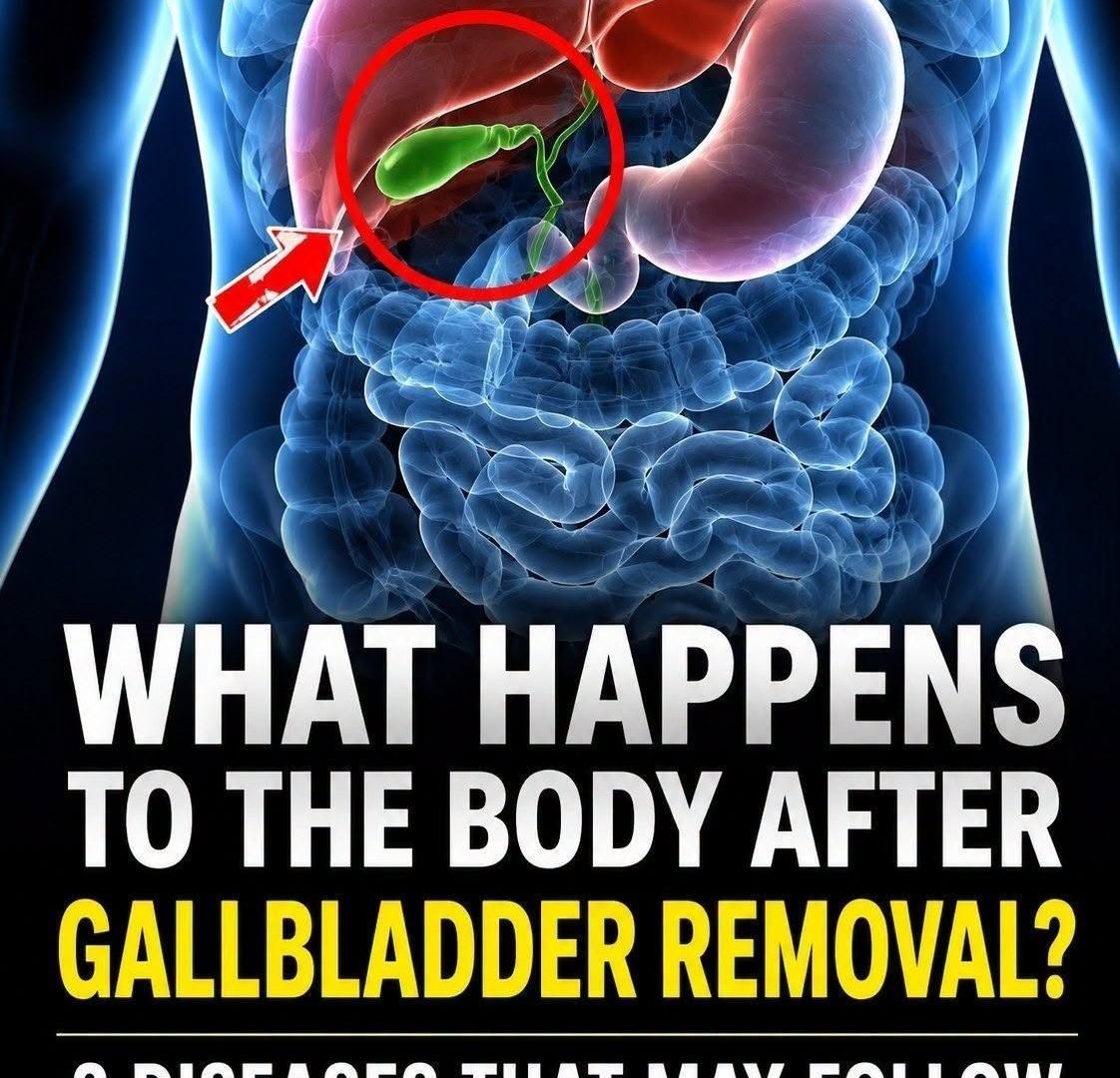
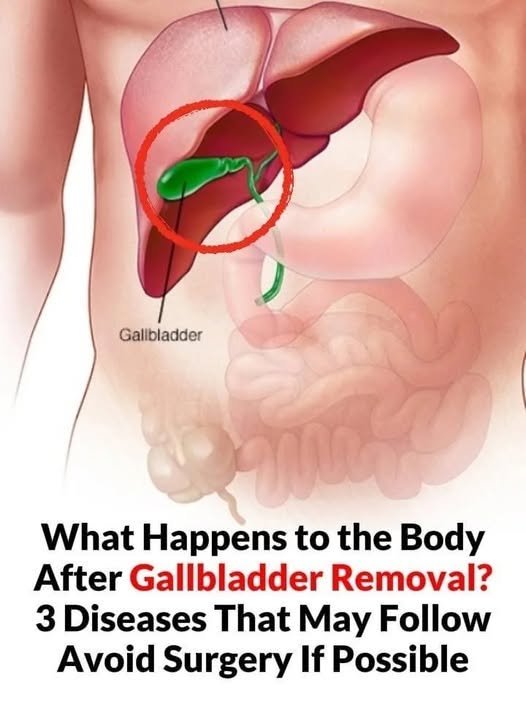
To understand the consequences of its removal, it is crucial to first understand the gallbladder’s function. The liver produces bile—a yellow-green fluid essential for digesting fats and absorbing fat-soluble vitamins (A, D, E, and K). However, the liver produces bile continuously, while the body only needs it when food, particularly fat, enters the small intestine.
The Biliary System at Work
The gallbladder acts as a reservoir. Between meals, it stores bile and concentrates it by absorbing water. When you eat a fatty meal, the gallbladder contracts, releasing a concentrated burst of bile into the small intestine to emulsify fats, making them easier for enzymes to break down.
The Post-Surgery Reality
When the gallbladder is removed, this storage mechanism is gone. The liver continues to produce bile, but instead of being stored, it flows continuously into the small intestine. While the body can adapt to this continuous flow, the change has significant implications for digestion and the gut microbiome. Without the ability to release a concentrated burst of bile, the digestion of large, fatty meals can become less efficient.
What Really Happens to Your Body After Gallbladder Removal?
The immediate post-surgery period is often characterized by relief from the pain of gallstones. However, the long-term physiological changes can manifest in various ways.
Digestive Changes: Postcholecystectomy Syndrome
The most well-documented consequence of gallbladder removal is a collection of symptoms known as postcholecystectomy syndrome (PCS) . This syndrome is defined as the persistence of pain or the development of new abdominal symptoms after surgery. It is remarkably common, occurring in 5% to 47% of patients after cholecystectomy.
The most frequent symptoms of PCS include dyspepsia (indigestion), vague abdominal discomfort, bloating, and nausea, rather than the sharp, localized pain of a gallstone attack. In many cases, these symptoms are the result of the altered flow of bile and changes in the sphincter of Oddi, the muscle that controls the flow of bile into the intestine.
The Gut Microbiome Disruption
Emerging research highlights that gallbladder removal significantly disrupts the delicate balance of the gut microbiome. Bile acids have powerful signaling functions that influence the composition of gut bacteria. After surgery, the continuous flow of bile alters the environment in the intestine, leading to gut dysbiosis—a reduction in microbial diversity and a diminished capacity to produce beneficial short-chain fatty acids. This pro-inflammatory state is a key mechanism linking gallbladder removal to broader health issues.
The 3 Diseases That May Follow Gallbladder Removal
The viral post warns of three specific diseases. While research has identified numerous potential long-term effects, the strongest and most concerning evidence points to the following conditions.
1. Irritable Bowel Syndrome (IBS) and Bile Acid Diarrhea
The most direct and immediate consequence of gallbladder removal is a change in bowel habits. The continuous drip of bile acids into the colon acts as a natural laxative, irritating the intestinal lining and speeding up transit time.
The Evidence: A large-scale study using data from the UK Biobank, involving hundreds of thousands of participants, found that people who have had their gallbladder removed have a 46% higher risk of developing irritable bowel syndrome (IBS) . This risk is particularly pronounced for the diarrhea-predominant subtype (IBS-D), characterized by frequent loose stools, abdominal urgency, and discomfort.
This condition, often referred to as bile acid diarrhea, occurs because the colon is exposed to a constant stream of bile acids that it was not designed to handle. While some patients adapt over time, others require dietary adjustments, bile acid-binding medications, or probiotics to manage the symptoms.
2. Metabolic Syndrome and Type 2 Diabetes
The link between gallbladder removal and metabolic disease is perhaps the most surprising and concerning. A growing body of evidence indicates that cholecystectomy is not a metabolically neutral procedure.
The Evidence: A comprehensive narrative review published in the European Journal of Clinical Investigation concluded that “cholecystectomy can predispose to metabolic changes leading to type 2 diabetes mellitus, obesity, metabolic dysfunction-associated steatotic liver disease and cardiovascular diseases“.
The mechanism involves the altered signaling of bile acids. Bile acids act as hormones that activate receptors (like FXR and TGR5) involved in regulating glucose and lipid metabolism. When the gallbladder is removed and the enterohepatic circulation of bile acids is altered, these metabolic pathways are disrupted, promoting insulin resistance and weight gain.
3. Gastroesophageal Reflux Disease (GERD) and Other GI Disorders
While not a “disease” in the same sense as diabetes, the structural changes after gallbladder removal can also contribute to significant upper gastrointestinal distress.
The Evidence: Postcholecystectomy syndrome frequently involves causes outside the biliary tract. The Merck Manual notes that patients with post-surgery pain should be evaluated for gastroesophageal reflux disease (GERD), functional dyspepsia, and pancreatic disease. The altered motility and pressure dynamics in the digestive tract can exacerbate acid reflux, leading to heartburn and esophageal irritation.