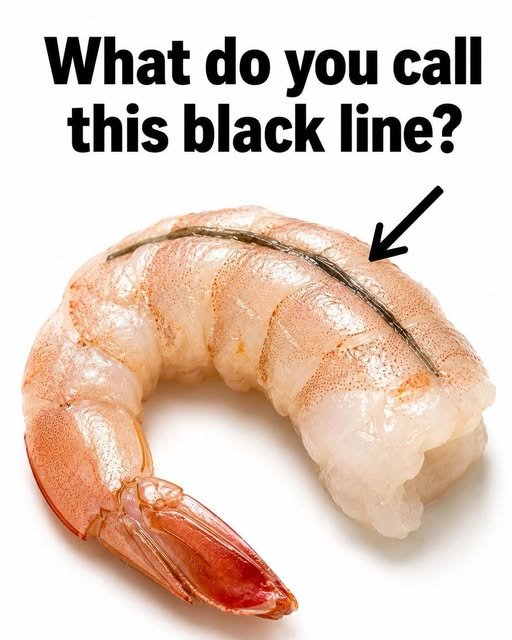
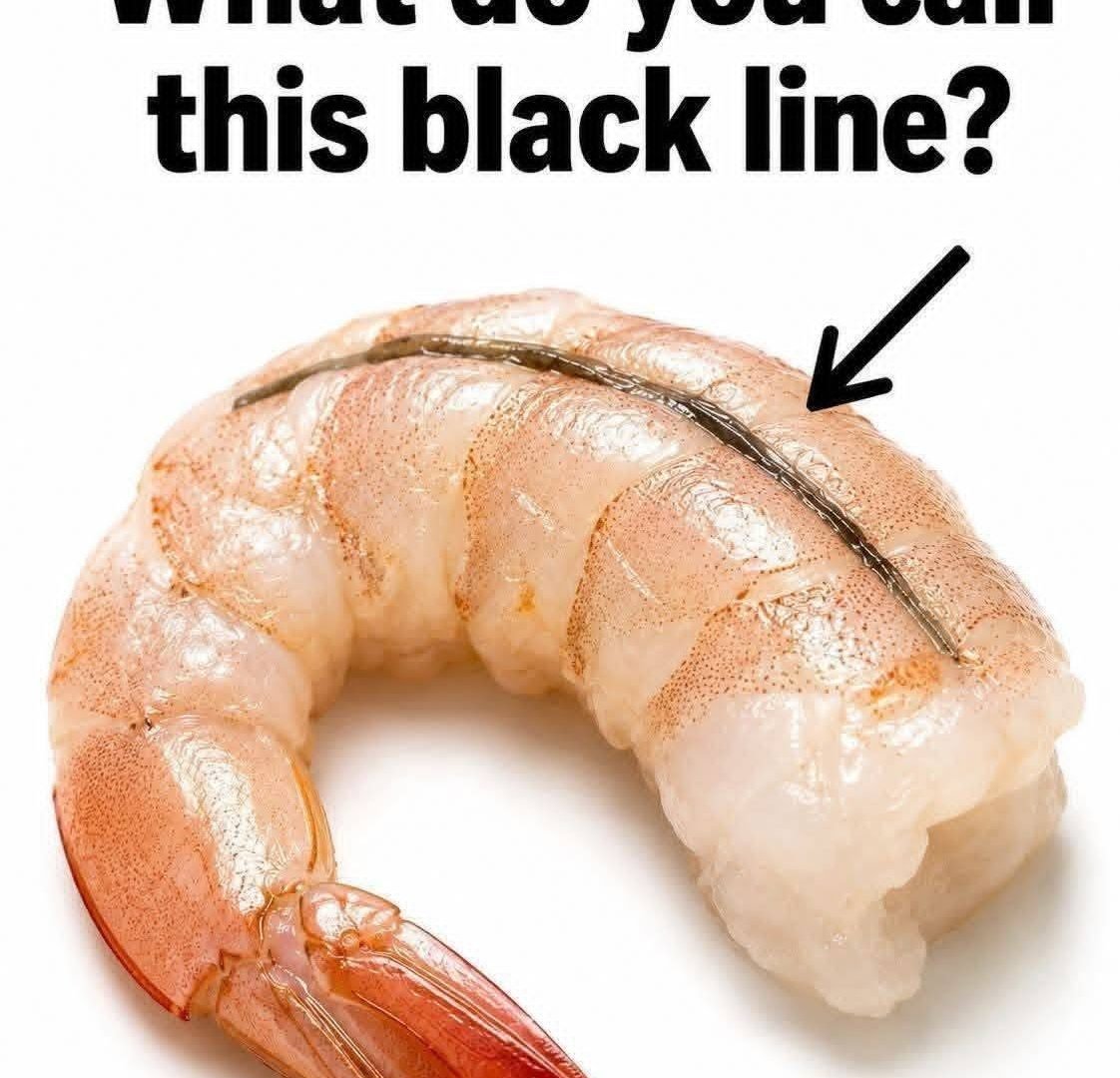
If you have ever prepared shrimp at home, you have probably noticed a dark, thin line running along the back of the shrimp. It is often called the “vein,” but that is actually a misnomer. The image in your post points to this line and asks, “What do you call this black line?” The answer is simple: it is the shrimp’s digestive tract, commonly known as the sand vein.
What Is the Black Line?
The black line is the shrimp’s digestive tract. It runs along the back of the shrimp, from the head to the tail. It is not a blood vessel, which is why calling it a “vein” is technically incorrect. It is the tube that carries digested food and waste through the shrimp’s body.
The line is often dark because it contains the remnants of the shrimp’s last meal. This can include bits of shell, sand, and other materials. That is why it is sometimes called the “sand vein.”
Should You Remove It?
Whether or not you remove the digestive tract is a matter of personal preference. Many people remove it for aesthetic reasons, as it can look unappealing. It can also have a slightly gritty texture if it contains sand. However, it is perfectly safe to eat. Cooking the shrimp will kill any bacteria, and the tract itself is not harmful.
Some people find that removing the tract improves the flavor and texture of the shrimp. Others do not mind it and leave it in. It is entirely up to you.
How to Remove It
If you choose to remove the digestive tract, it is a simple process. Here is how to do it.
Peel the shrimp: Remove the shell and legs, leaving the tail on if you prefer.
Make a shallow cut: Use a small knife to make a shallow slit along the back of the shrimp, from the head end to the tail.
Remove the tract: Use the tip of the knife or a toothpick to lift out the dark line. Pull it gently until it comes free.
Rinse: Rinse the shrimp under cold water to remove any remaining bits.
You can also use a tool called a shrimp deveiner, which is designed specifically for this task.
Other Names for the Black Line
The black line is known by several names. The most common are:
Sand vein
Digestive tract
Intestinal tract
Back vein
In some regions, it is simply called the “vein,” even though it is not a blood vessel.
Final Thoughts
The black line on a shrimp is its digestive tract. It is not harmful to eat, but many people prefer to remove it for aesthetic and texture reasons. Removing it is quick and easy, and it can make your shrimp dishes look and taste better. So the next time you prepare shrimp, you will know exactly what that line is and what to do with it.