Vitamin B12 Deficiency Is Nothing to Joke About: The 10 Surest Signs and the Science Behind Them
Replenishment and Recovery: Treatment Strategies That Work
The good news is that B12 deficiency is highly treatable. The choice of treatment—oral supplementation versus intramuscular injection—has been the subject of considerable debate, but the evidence has clarified the picture. For decades, injections were considered the gold standard because they bypass the need for intrinsic factor and gastrointestinal absorption. However, a 2018 Cochrane Review of randomized controlled trials found that high doses of oral B12 (1,000–2,000 micrograms per day) were as effective as intramuscular injections in normalizing serum B12 levels in many patients.
Oral vs. Injectable: A Nuanced Choice
The mechanism behind high-dose oral therapy is passive diffusion. Even in the absence of intrinsic factor, a small percentage of a very large oral dose can be absorbed across the intestinal wall. For many individuals, this is sufficient. Guidelines from organizations such as the British Medical Journal’s Best Practice advise that high-dose oral vitamin B12 therapy may be as effective as intramuscular therapy. However, for patients with severe malabsorption, pernicious anemia, or neurological involvement, intramuscular injections remain the preferred initial approach because they guarantee delivery of the vitamin regardless of gut function. In practice, many clinicians begin with injections to rapidly correct the deficit, then transition to high-dose oral maintenance therapy.
The Crucial Window for Neurological Recovery
The timing of treatment is critical. When subacute combined degeneration is treated within a few weeks of symptom onset, most people recover completely. If treatment is delayed, the progression of symptoms may be slowed or stopped, but full recovery of lost function is less likely. This underscores the importance of early recognition and prompt medical evaluation. The neurological damage of B12 deficiency is not a waiting game; it is a race against irreversible harm.
Conclusion: Listening to the Body’s Red Flags
The image of the curled figure with red markers is a powerful visual because it maps the geography of a deficiency that is too often missed. The ten signs—paresthesia, gait instability, cognitive changes, muscle weakness, fatigue, pallor, glossitis, mood disturbances, loss of reflexes, and proprioceptive loss—are not random. They are the logical consequences of a vitamin that is essential for the integrity of the blood and the nervous system. They are the body’s red flags, waving in the silence of a condition that can be easily treated but is frequently overlooked.
The most important takeaway is not fear, but awareness. If you recognize yourself in these symptoms—especially if you belong to a high-risk group such as vegans, older adults, or long-term users of metformin or PPIs—the appropriate response is not to self-prescribe supplements based on internet posts. It is to seek a proper medical evaluation. A simple blood test, interpreted with an understanding of its limitations, can set you on the path to recovery. B12 deficiency is no joke. But it is also, in most cases, a problem that can be solved with the right knowledge and the right care.
Frequently Asked Questions
1. What is the most common cause of vitamin B12 deficiency? In most cases, deficiency is caused by malabsorption rather than inadequate dietary intake. The most common cause of malabsorption is pernicious anemia, an autoimmune condition in which the body fails to produce intrinsic factor, a protein essential for B12 absorption in the intestine. Other causes include gastrointestinal surgery, Crohn’s disease, celiac disease, and long-term use of medications like metformin and proton pump inhibitors.
2. Can a vegan diet cause B12 deficiency? Yes. Vitamin B12 occurs naturally almost exclusively in animal products. Vegans who do not consume fortified foods or take supplements are at high risk of deficiency. The body’s liver stores can last for three to five years, so deficiency may not appear immediately after adopting a vegan diet, but it is a significant risk over time.
3. I take metformin for diabetes. Should I be worried about my B12 levels? You should be aware of the risk. Long-term use of metformin is associated with reduced B12 absorption, and the risk increases with higher doses and longer duration of use. The American Diabetes Association and other guidelines recommend periodic monitoring of B12 levels in patients on long-term metformin therapy. If you have been on metformin for several years, it is worth discussing B12 testing with your healthcare provider.
4. Can B12 deficiency cause permanent nerve damage? Yes, if left untreated. The neurological damage, particularly subacute combined degeneration of the spinal cord, can become permanent if treatment is delayed. However, if treated promptly—within weeks of symptom onset—most people recover completely. This is why early recognition and diagnosis are so critical.
5. Is a “normal” serum B12 level always reliable? No. Serum B12 levels can be falsely normal in the presence of a true deficiency, and most standard tests measure total cobalamin, much of which is inactive. If symptoms strongly suggest B12 deficiency despite a normal serum level, doctors may order additional tests such as methylmalonic acid (MMA) or homocysteine, which are more sensitive functional markers.
6. Can I treat B12 deficiency with oral supplements instead of injections? In many cases, yes. High-dose oral B12 (typically 1,000–2,000 micrograms per day) has been shown to be as effective as intramuscular injections in normalizing B12 levels for many patients. However, for individuals with severe malabsorption or neurological symptoms, injections may be recommended initially to ensure rapid and reliable delivery of the vitamin.
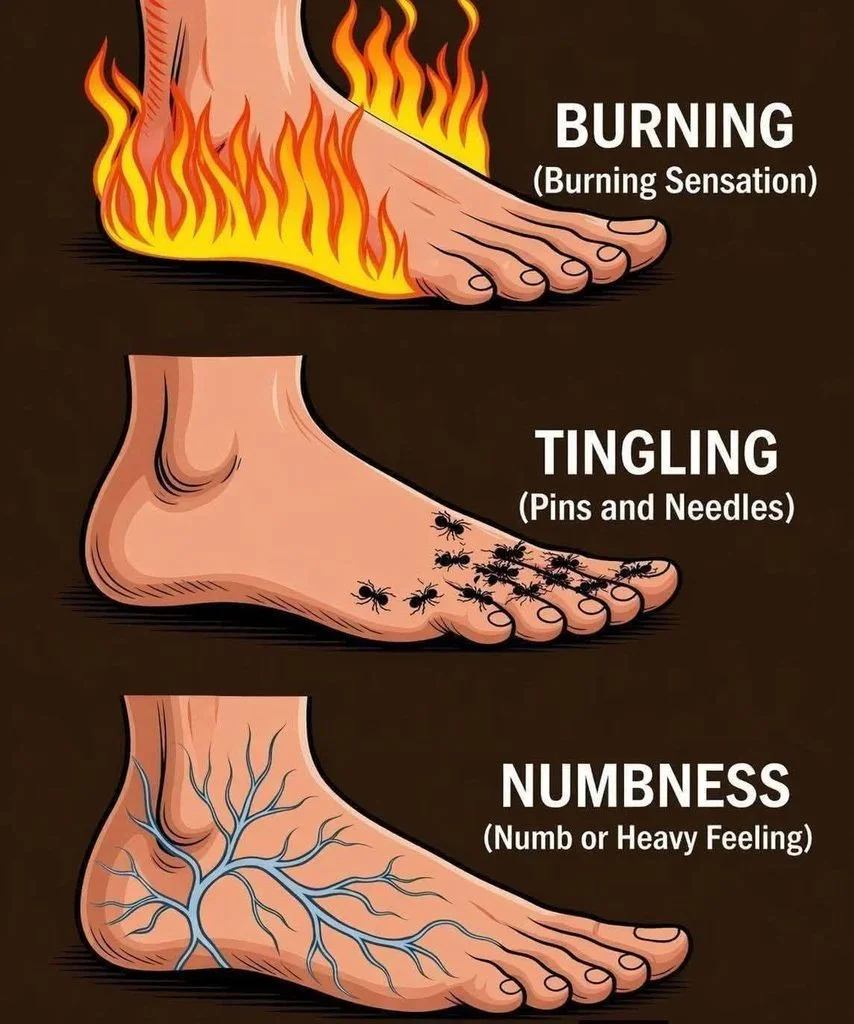
7. What are the first signs of B12 deficiency I should watch for? Early signs often include fatigue, weakness, and pallor (from anemia), as well as tingling or numbness in the hands and feet (from early nerve involvement). Cognitive changes such as irritability, confusion, or memory problems can also be early indicators, particularly in older adults. If you experience these symptoms, especially in combination, it warrants a medical evaluation.
8. Who is most at risk for vitamin B12 deficiency? High-risk groups include older adults (over 65), vegans and strict vegetarians, people with pernicious anemia or gastrointestinal disorders (such as Crohn’s or celiac disease), individuals who have had gastric surgery, and those on long-term medications like metformin or proton pump inhibitors. Pregnant and breastfeeding women who are deficient can also pass the deficiency to their infants, leading to developmental problems.