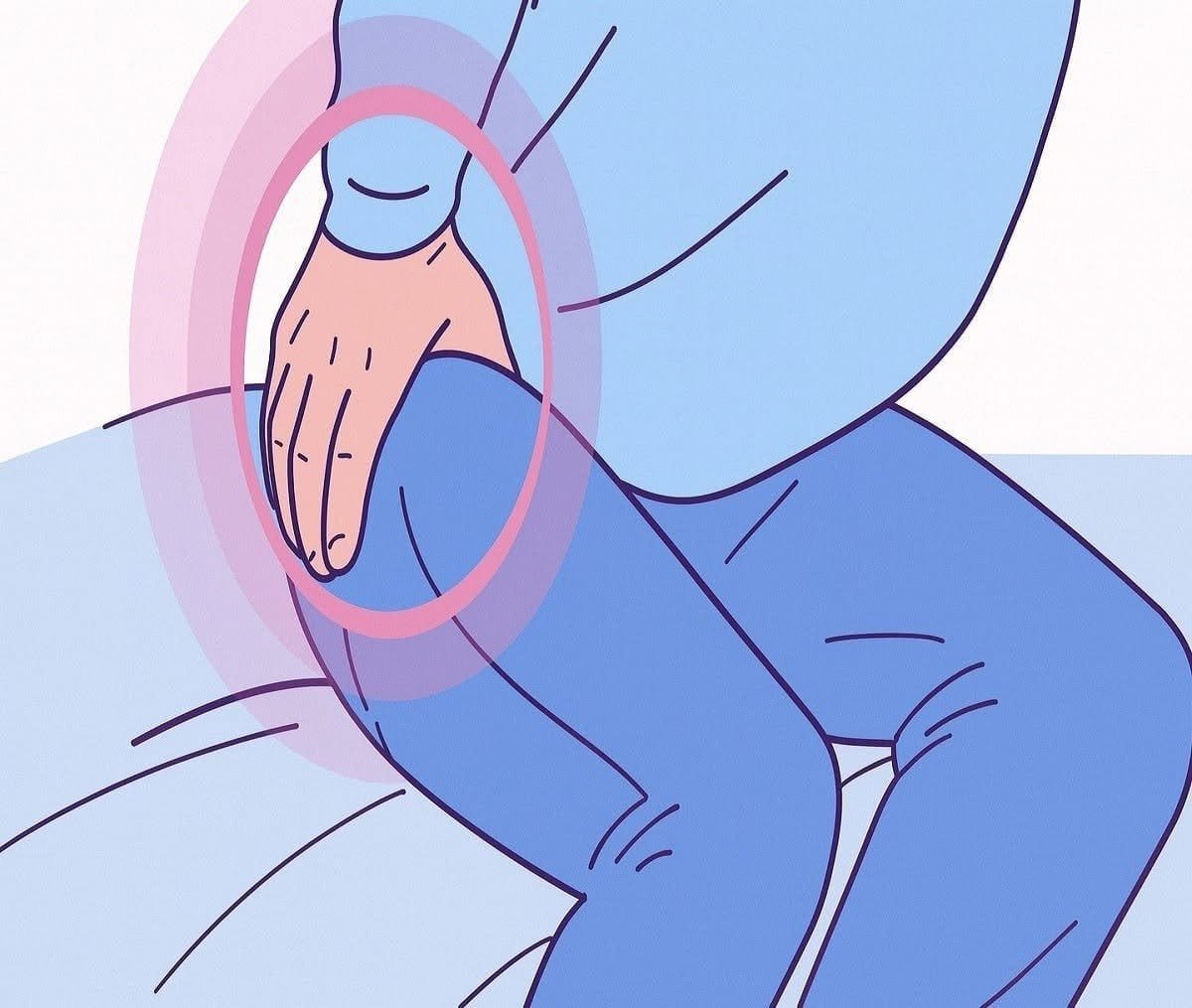
Understanding Outer Hip Pain: What Lateral Hip Discomfort Reveals About Your Mobility and Health
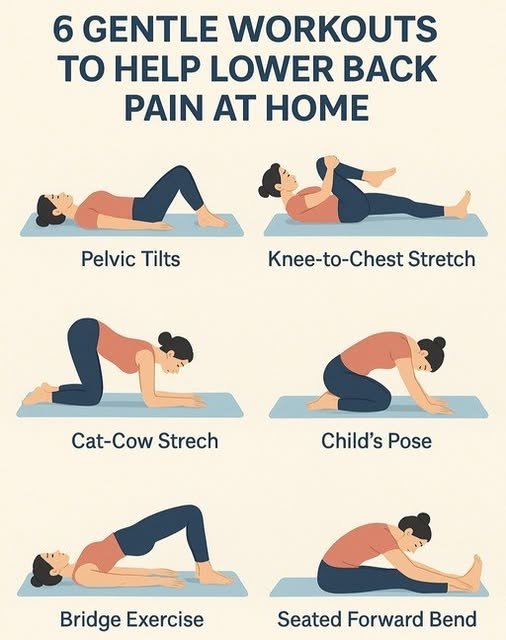
Managing outer hip pain effectively begins with modifying activities to reduce compression and irritation while promoting blood flow to the area. Avoid lying directly on the painful hip; if you must sleep on your side, place a thick pillow between your knees to keep the top leg aligned with the hip and prevent adduction stretch. Ice therapy applied to the tender area for 15-20 minutes after activity can help manage acute inflammation, while gentle heat before movement may improve tissue elasticity. Incorporate low-impact strengthening exercises like clamshells, side-lying leg lifts, and bridges to rebuild gluteal capacity without overloading the tendons. Avoid aggressive stretching of the IT band, which can actually increase compression on the bursa; instead, focus on foam rolling the surrounding muscles like the quads and TFL to relieve tension indirectly.
When to See a Doctor: Please consult a healthcare provider promptly if the pain is severe enough to cause limping, does not improve after four to six weeks of consistent modification and exercise, is accompanied by fever, redness, or warmth, or if you experienced a fall or trauma prior to onset. These warning signs may indicate infection, fracture, or severe tendon rupture requiring specialized intervention such as corticosteroid injections, shockwave therapy, or surgical repair. Early professional guidance can prevent temporary irritation from becoming permanent disability.
This article is for general information only and is not medical advice.