Understanding Outer Hip Pain: What Lateral Hip Discomfort Reveals About Your Mobility and Health
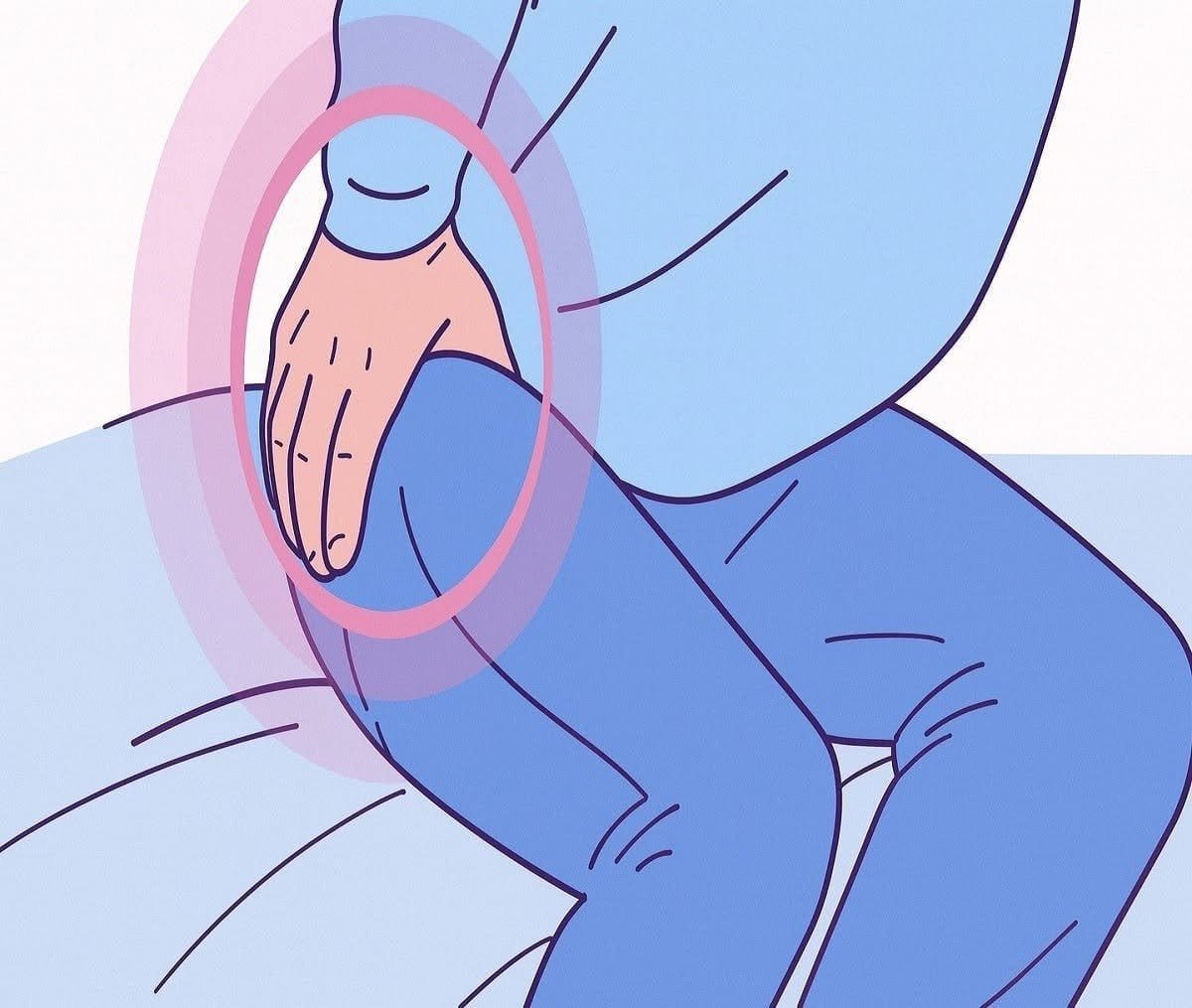
Identifying the root cause of outer hip pain often requires looking at your daily habits and biomechanics, as lifestyle factors may be linked to the persistence of symptoms. For many sufferers, the way they sleep plays a critical role; lying directly on the affected side compresses the already irritated bursa and tendons, while lying on the unaffected side without support can cause the top leg to drop across the body, stretching the painful structures. This nightly aggravation prevents the tissue from healing, creating a cycle of chronic inflammation that no amount of daytime stretching can fix. Additionally, sitting with legs crossed or standing with weight shifted onto one hip (the “hip hitch”) places excessive tensile load on the lateral hip structures, gradually wearing down the tendons over months or years.
Biomechanical imbalances elsewhere in the kinetic chain can also contribute significantly to lateral hip dysfunction. Weakness in the core and gluteal muscles forces the TFL and IT band to overwork as stabilizers, leading to chronic tightness and compression. Conversely, tight hip flexors from prolonged sitting can inhibit glute activation, further destabilizing the pelvis during walking. Footwear choices matter too; worn-out shoes or lack of arch support can alter leg alignment, increasing the varus stress on the knee and hip. Addressing these foundational issues is often more effective than treating the pain in isolation. A holistic assessment that considers sleep posture, workplace ergonomics, footwear, and muscle balance provides a much clearer picture of why the pain started and what is needed to make it stop permanently.