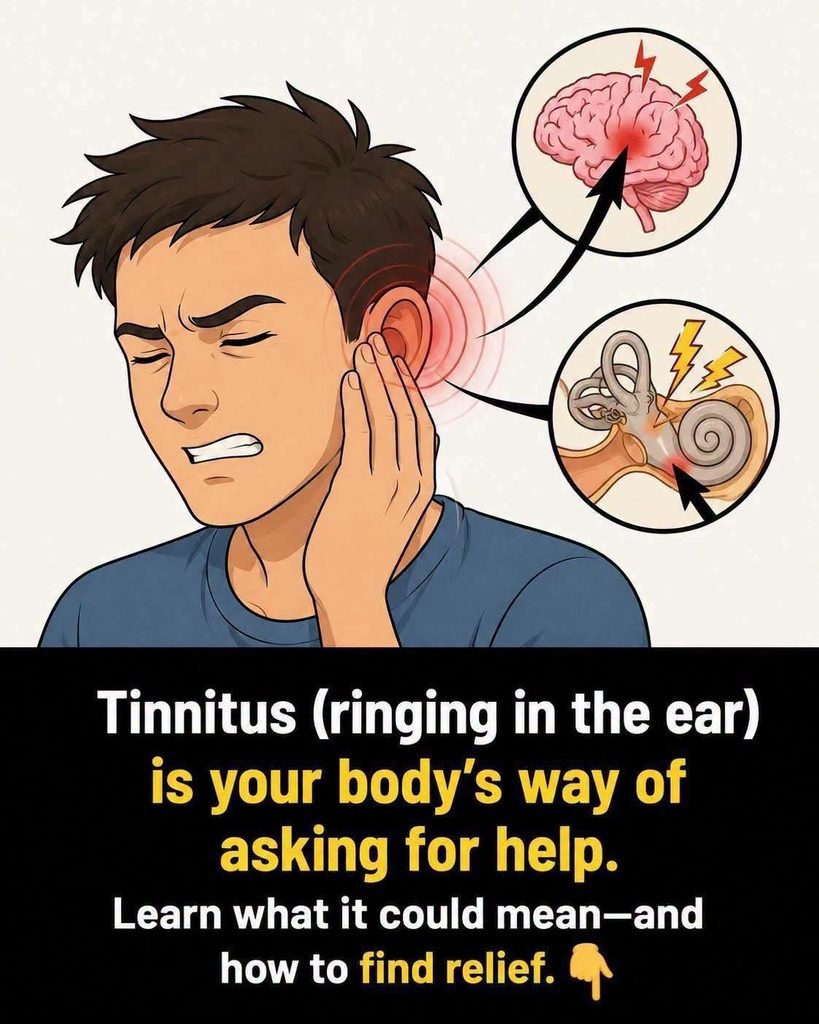
Tinnitus: What Ringing in the Ears Can Actually Mean
Ringing in the ears, clinically known as tinnitus, is a common condition that affects millions of people worldwide. A recent social media post describes it as “your body’s way of asking for help,” suggesting that it is a sign of an impending health issue. While tinnitus is indeed a symptom that deserves attention, it is not a predictor of a specific future illness. Understanding what tinnitus is and what it may indicate is the first step toward finding appropriate care.
What Is Tinnitus?
Tinnitus is the perception of sound when no external sound is present. It is often described as a ringing, buzzing, hissing, or clicking in one or both ears. While it can be a temporary nuisance, for some individuals, it can become a persistent and bothersome condition.
It is important to note that tinnitus is a symptom, not a disease itself. It is a signal that something in the auditory system—from the ear to the brain—may need attention.
Common Causes
Tinnitus can be triggered by a variety of factors, ranging from harmless to more serious. Common causes include:
Age-Related Hearing Loss: The most common cause of tinnitus is the natural decline in hearing that occurs with age.
Exposure to Loud Noises: Prolonged exposure to loud music, machinery, or firearms can damage the inner ear and lead to tinnitus.
Earwax Buildup: Excess earwax can block the ear canal and cause irritation, leading to ringing.
Medications: Some prescription and over-the-counter medications can trigger or worsen tinnitus.
Underlying Conditions: Tinnitus can sometimes be a symptom of conditions such as high blood pressure, thyroid issues, or cardiovascular problems.
Stress and Anxiety: Emotional stress can make tinnitus more noticeable or bothersome.
When to Seek Help
While occasional ringing in the ears is generally not a cause for alarm, it is important to consult a healthcare professional if:
The ringing is persistent or worsens over time.
It occurs in only one ear.
It is accompanied by dizziness, hearing loss, or other symptoms.
It interferes with your sleep, concentration, or daily activities.
A doctor or an audiologist can help identify the underlying cause and recommend appropriate treatment options.
Finding Relief
There is no single cure for tinnitus, but several strategies can help manage the condition:
Sound Therapy: Using white noise machines or background sounds can help mask the ringing.
Hearing Aids: For individuals with hearing loss, hearing aids can amplify external sounds and make tinnitus less noticeable.
Stress Management: Relaxation techniques such as meditation, yoga, or deep breathing can help reduce stress and improve symptoms.
Lifestyle Changes: Reducing caffeine, alcohol, and tobacco use may help some individuals.
Conclusion
Tinnitus is a common symptom that can have many causes. While it is not a definitive sign of a future health condition, it is a signal that should not be ignored. If you are experiencing persistent ringing in your ears, consult with a healthcare professional to determine the underlying cause and explore options for relief.