The Ultimate Guide to Hungarian Plum Dumplings (Szilvás Gombóc) 🥟✨
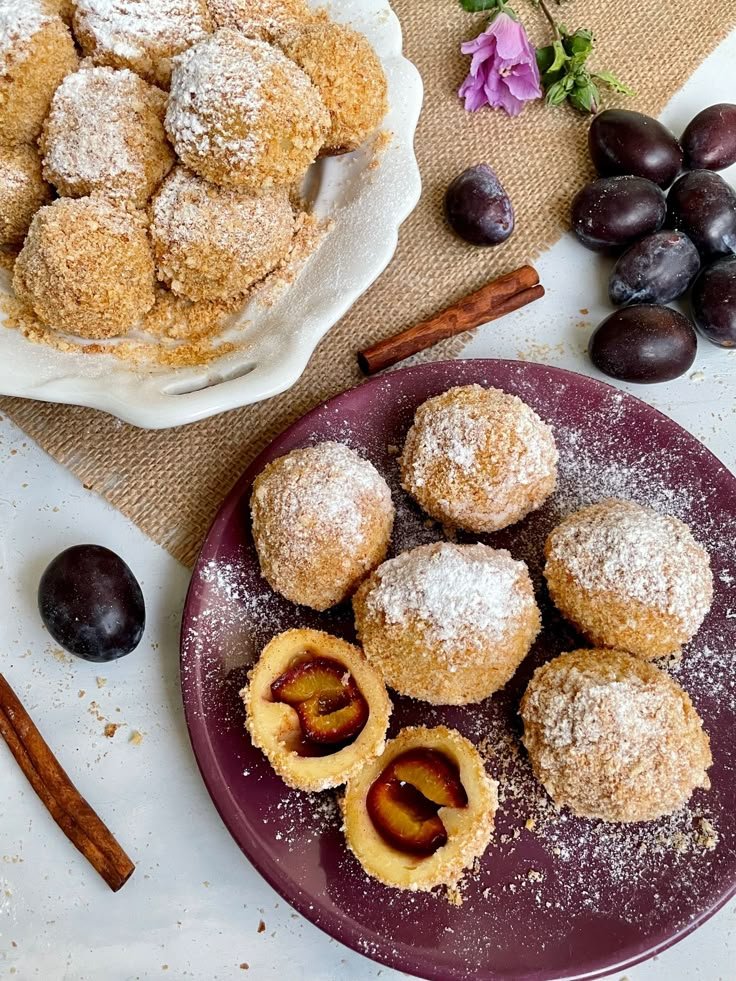
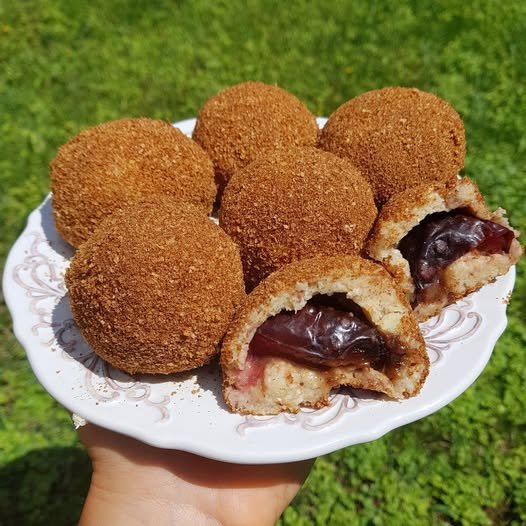
If there is one dish that perfectly encapsulates the magic of late summer turning into early autumn, it is the Hungarian Plum Dumpling, or Szilvás Gombóc. Just look at that image! A soft, pillowy potato dough wrapped around a whole, juicy plum, boiled to perfection, and rolled in a golden, buttery, toasted breadcrumb crust. When you cut into it, the warm, jammy plum juices mingle with the cinnamon sugar hiding inside. 🤤
The viral caption says, “5 minutes, melts in your mouth at the first bite, Simple to make…”—and while it might take a little longer than 5 minutes to boil the potatoes, the actual assembly is wonderfully simple. The result is pure, melt-in-your-mouth bliss.
Today, we are going to dive deep into the art of making Szilvás Gombóc. We’ll cover the history, the secret to a perfect dough, the best plums to use, and a foolproof, step-by-step recipe. Get ready to bring a taste of a Hungarian grandmother’s kitchen right into your own home! 👩🍳❤️
🕰️ A Sweet Taste of History
Plum dumplings are a beloved staple across Central and Eastern Europe, sharing a rich culinary history with Austria (Zwetschgenknödel), the Czech Republic (Švestkové knedlíky), and Slovakia.
Historically, this was a classic peasant dish designed to use up the late summer harvest. In Hungary, when the plum trees (szilvafa) were heavy with fruit in August and September, families would preserve them by making jams, drying them, distilling them into Pálinka (fruit brandy), and, of course, baking and boiling them into these sweet dumplings.
It is a dish built on economy and ingenuity. The dough is made from leftover boiled potatoes and flour, the filling is a simple fruit, and the coating is just stale bread turned into breadcrumbs. Yet, from these humble ingredients comes one of the most beloved desserts in Hungarian cuisine.
🥔 The Secret is in the Dough
The true magic of Szilvás Gombóc lies in the texture of the dough. It must be soft, slightly chewy, and light enough to melt in your mouth. If it’s too heavy, you’ve essentially made a baseball.
Here are the golden rules for a perfect dough:
Starchy Potatoes are Key: 🥔 You want potatoes with a high starch content (like Russets or Idaho potatoes). Waxy potatoes hold too much water and will make the dough gummy.
Cool the Potatoes Completely: Steam or boil the potatoes, then let them cool completely before mashing. If you mix eggs into hot potatoes, they will scramble!
Don’t Overwork the Flour: ⚠️ Once you add the flour, mix it just until the dough comes together. Overmixing develops the gluten, which makes the dumplings tough. It should be soft and slightly sticky.
Rice the Potatoes: Using a potato ricer or a fine grater ensures a lump-free dough. A regular masher often leaves clumps that tear the dough when you try to wrap the plums.
🍑 Choosing the Perfect Plum
The plums you use make all the difference. You need a fruit that is firm enough to hold its shape during boiling, but sweet and juicy enough to turn into a warm, jammy center.
The Best Choice: The Italian Prune Plum (also known as the Empress plum or Szilva in Hungarian). These are the deep purple, oval-shaped plums you see in the background of the photo. They are incredibly sweet, have a distinct tart skin, and most importantly, they are freestone (the pit comes out easily).
What to avoid: Avoid overly ripe, squishy plums. They will disintegrate in the boiling water. You want them slightly firm.
The Classic Filling: Traditionally, the pit is removed and replaced with a mix of cinnamon sugar and sometimes a single whole clove. When the dumpling boils, the sugar melts and mixes with the plum juices, creating a delicious syrup inside!
🍞 The Breadcrumb Coating: The Crowning Glory
Do not underestimate the breadcrumbs! In Hungary, the toasted breadcrumbs (pirított morzsa) are almost as important as the dumpling itself.
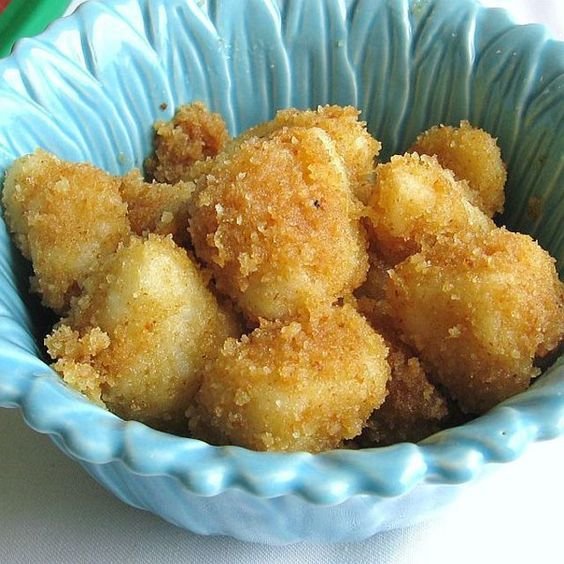
You cannot just use raw breadcrumbs from a can. You must toast them. Heat a generous knob of butter or a splash of oil in a skillet, add the breadcrumbs, and cook them over medium heat, stirring constantly, until they are a rich, golden brown and smell nutty.
Pro-tip: Some traditional Hungarian cooks toast the breadcrumbs in the pan with a little bit of sugar as well, which adds a subtle caramelized sweetness.
🥣 Step-by-Step: The Ultimate Plum Dumpling Recipe
Ready to roll? Here is your comprehensive recipe card.
2 lbs (900g) starchy potatoes, peeled and cut into chunks
2 large eggs 🥚
2 tablespoons unsalted butter, softened (or lard)
1 teaspoon salt
2 to 2.5 cups (250-300g) all-purpose flour (plus extra for dusting)
For the Filling:
12-14 Italian prune plums (or similar firm, freestone plums) 🍑
1/2 cup granulated sugar
2 teaspoons ground cinnamon
Optional: 12-14 whole cloves or a pinch of ground cloves
For the Topping:
1.5 cups fine dry breadcrumbs 🍞
4 tablespoons unsalted butter (or neutral oil)
Powdered sugar, for dusting ❄️
Sour cream (Tejföl), for serving (highly recommended!)
Instructions:
Prepare the Potatoes: 🥔 Boil the peeled potato chunks in salted water until they are completely tender. Drain them well and let them steam dry for a few minutes. Mash them thoroughly (using a ricer is best) and let them cool completely.
Make the Dough: 🥣 Once the potatoes are cold, add the eggs, softened butter, and salt. Mix well. Gradually add the flour, stirring with a wooden spoon or your hands. Add just enough flour until the dough holds together and is no longer sticky, but still soft. Be careful not to over-knead. Cover the dough with a clean cloth and let it rest for 20 minutes.
Prep the Plums: 🍑 While the dough rests, wash and dry the plums. Cut a slit down the side of each plum, twist it open, and remove the pit. In a small bowl, mix the granulated sugar and cinnamon. Stuff a generous teaspoon of the cinnamon sugar (and a whole clove, if using) into the cavity of each plum. Press the plum back together.
Assemble the Dumplings: 🥟 Lightly flour your work surface and your hands. Take a piece of dough (about the size of a golf ball or slightly larger) and flatten it into a circle in the palm of your hand. Place a stuffed plum in the center. Gently pull the dough up around the plum, pinching the edges tightly to seal it completely. Roll it gently between your palms to form a smooth ball. Place on a floured tray. Repeat with the remaining dough and plums.
Boil the Dumplings: 🍲 Bring a large pot of salted water to a gentle boil. Carefully drop the dumplings into the water, one by one. Do not overcrowd the pot (cook them in batches if necessary).
The Test: After about 8-10 minutes, the dumplings will float to the surface. Once they float, let them cook for exactly 1-2 minutes longer, then remove them with a slotted spoon. (Do not let the water boil too vigorously, or the dumplings might fall apart).
Toast the Breadcrumbs: 🍞 While the dumplings are boiling, melt the butter in a large skillet over medium heat. Add the breadcrumbs and toast them, stirring constantly, until they are a beautiful golden brown and smell fragrant. Remove from heat.
Coat and Serve: ✨ As soon as you remove a dumpling from the water, roll it gently in the toasted breadcrumbs until fully coated. This prevents them from sticking together and adds a delicious crunch.
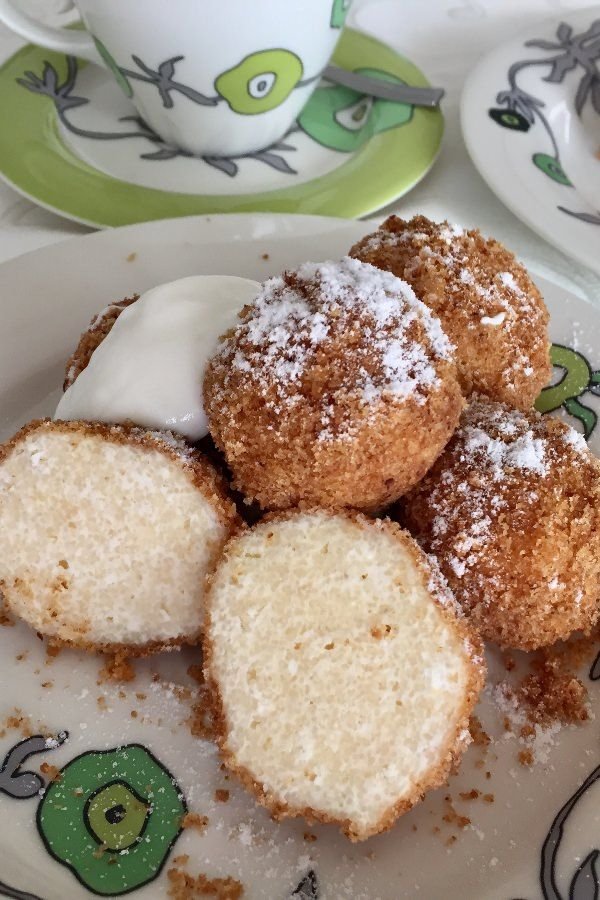
Enjoy: 🍽️ Serve the dumplings warm, heavily dusted with powdered sugar. For the ultimate Hungarian experience, serve with a generous dollop of cold sour cream on the side to balance the sweetness.
💡 Troubleshooting & Pro-Tips
Making dumplings can be a bit tricky the first time. Here’s how to avoid common pitfalls:
The dough is too sticky to handle: 👐 Dust your hands with a little extra flour, but try not to add too much flour to the main dough, or it will become heavy.
The dumplings fell apart in the water: 😱 This usually means the dough was too wet (potatoes weren’t dry enough), the seal wasn’t tight, or the water was boiling too aggressively. Ensure the dough is well-sealed and keep the water at a gentle simmer.
The dough is tough or chewy: 😖 You likely overworked the flour. Next time, mix the dough just until it comes together and stop!
The breadcrumbs are burning: 🔥 Keep the heat at medium and stir constantly. If they start to brown too fast, lower the heat or move the pan off the burner.
🍂 The Perfect Way to Finish the Meal
These dumplings are a meal in themselves. They are best enjoyed on a cool autumn evening when plums are in season. The contrast of the hot, soft dough, the burst of warm, sweet-tart plum juice, and the crispy, buttery breadcrumbs is simply unforgettable.