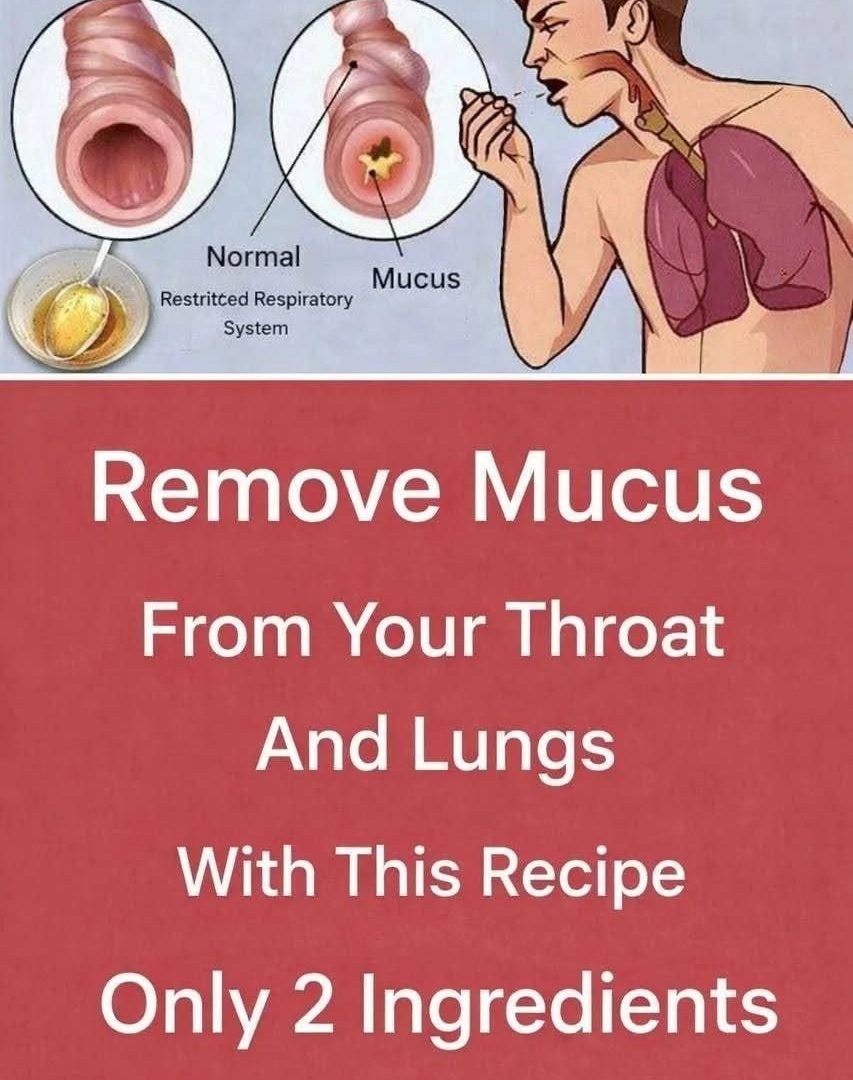
7. Can Warm Honey and Lemon Water Help With Chest Congestion?
6 thức uống giảm ho ‘cực nhạy’ giúp dứt cơn ho dai dẳng mùa đông
Warm honey and lemon water is one of the most familiar traditional drinks used when someone has a cough or irritated throat.
Although it cannot remove mucus directly from the lungs, it may provide temporary relief from certain symptoms.
The two ingredients have different properties.
Honey
Honey has a thick consistency that can create a soothing coating sensation in the throat.
It has also been studied as a possible way to reduce coughing associated with upper respiratory infections.
Lemon
Lemon provides flavor and contains vitamin C, which contributes to normal immune system function.
Its main benefit in this drink is making the beverage pleasant to consume.
How to prepare a warm honey and lemon drink
Kış aylarında bağışıklık güçlendirmek için doğal tarifler | TLC
Ingredients:
- One mug of comfortably warm water.
- One to two teaspoons of honey.
- Approximately half a fresh lemon.
Preparation:
- Pour warm water into a mug.
- Add the honey.
- Squeeze in the lemon juice.
- Stir until everything is mixed.
- Allow it to cool to a comfortable drinking temperature.
Enjoy it slowly when your throat feels irritated.
Important: Honey must never be given to babies under 12 months. People with honey allergies should avoid it. Lemon may aggravate acid reflux in some individuals.
The NHS recommends warm lemon and honey drinks as a possible way to soothe cough symptoms, although evidence of their effectiveness is limited. NHS+1
8. Can Warm Showers Help Loosen Mucus?
A comfortably warm shower may temporarily make congestion feel less uncomfortable.
Warm, moist bathroom air can help relieve dryness in the nose and throat.
Some people find that spending a little time in a bathroom with a warm shower running makes it easier to breathe comfortably when experiencing nasal congestion.
However, it is important to understand that this does not physically wash mucus out of the lungs.
The potential benefit is temporary symptom relief.
Important safety precautions
- Avoid excessively hot showers.
- Do not place your face over boiling water.
- Avoid inhaling steam from pots or kettles.
- Stop if you feel dizzy or uncomfortable.
Steam-related burns can be serious, particularly when people use containers of boiling water as a home remedy.
A comfortably warm shower is a safer alternative.
9. Why a Clean Humidifier May Help With Dry Airways

Best Bedroom Humidifier – sosticated
Dry indoor air can make the nose and throat feel uncomfortable, particularly during respiratory infections.
A clean cool-mist humidifier adds moisture to the surrounding air.
For some people, this can improve comfort and reduce the sensation of dryness.
It may be particularly helpful when indoor heating or air conditioning makes the environment excessively dry.
However, a humidifier should be maintained carefully.
A poorly cleaned device can accumulate microorganisms and distribute them into the air.
Follow the manufacturer’s cleaning instructions, replace water regularly, and avoid excessive indoor humidity.
A humidifier is a comfort measure rather than a treatment for the underlying cause of respiratory congestion.
The CDC includes clean humidifiers and cool-mist vaporizers among its suggested supportive measures for uncomplicated chest colds. CDC+1
10. Can Saline Nasal Spray Help With Mucus in the Throat?
Sometimes what feels like mucus in the throat actually comes from the nose.
This can happen through a process known as postnasal drip.
Postnasal drip occurs when mucus from the nose or sinuses flows down the back of the throat.
It can produce an uncomfortable sensation that makes someone repeatedly swallow or clear their throat.
Saline nasal sprays may help moisturize the nasal passages and loosen nasal secretions.
They can be useful when congestion is associated with:
- Common colds.
- Allergies.
- Dry nasal passages.
- Sinus irritation.
- Postnasal drip.
Saline sprays do not treat infections inside the lungs, but they may help address mucus originating in the upper respiratory tract.
For nasal rinsing devices, use only sterile, distilled, or previously boiled and cooled water, following appropriate instructions.