The Most Powerful Herb – A Complete Guide to Nature’s Ultimate Healer
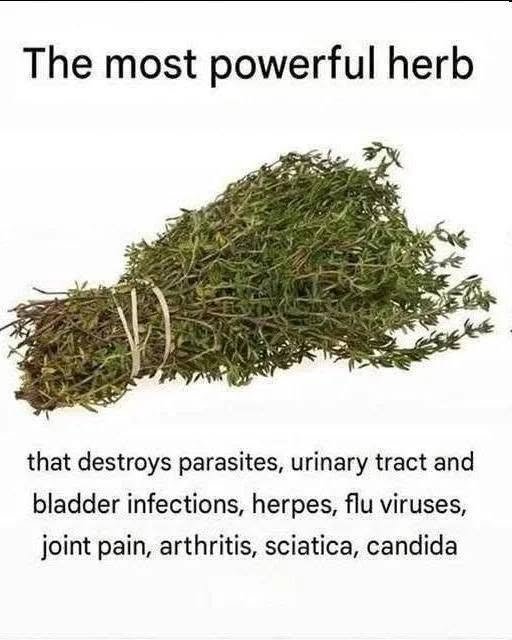
For centuries, healers, herbalists, and traditional medicine practitioners have recognized the extraordinary power of the earth’s botanical pharmacy. Among the vast array of medicinal plants, one humble, unassuming herb stands head and shoulders above the rest in its sheer versatility and potency. That herb is thyme.
While modern grocery stores often reduce thyme to a simple culinary seasoning, historical texts and modern holistic practices reveal it to be a formidable therapeutic powerhouse. The viral image that declares thyme as “the most powerful herb” and highlights its ability to destroy parasites, urinary tract and bladder infections, herpes, flu viruses, joint pain, arthritis, sciatica, and candida is a testament to its legendary status.
This comprehensive guide is dedicated to the complete, in-depth exploration of thyme as a master healer. We will delve into the botanical and chemical brilliance of this plant, revealing exactly how its potent compounds work to combat a vast array of ailments. Whether you are looking to cleanse your body of parasites, soothe aching joints, or fortify your immune system against viral threats, this article will provide you with the complete blueprint for harnessing the maximum power of thyme.
The Botanical and Chemical Brilliance of Thyme
To understand why thyme is so incredibly effective across such a wide spectrum of health issues, we must first look at its chemistry. Thyme (Thymus vulgaris) is a member of the mint family, and its medicinal magic is concentrated in its essential oils.
The two primary bioactive compounds in thyme are thymol and carvacrol. These are monoterpene phenols, and they are responsible for thyme’s distinctive, pungent aroma and its profound healing properties.
Thymol: A natural antiseptic and antimicrobial agent so powerful that it is used in commercial mouthwashes and even in some conventional medical settings to sterilize surfaces.
Carvacrol: A compound that has been extensively studied for its anti-inflammatory, antifungal, and immune-boosting capabilities.
Together, these compounds, along with other powerful antioxidants and flavonoids like lutein and apigenin, give thyme its ability to defend the body against biological invaders, reduce systemic inflammation, and stimulate the body’s natural healing processes. It is this rich chemical profile that makes thyme a true panacea.
1. Destroying Parasites: The Natural Vermifuge
In traditional medicine, thyme has long been prized as a potent vermifuge—a substance that expels intestinal parasites. The essential oils in thyme are incredibly hostile to the environment that microscopic and macroscopic parasites require to survive.
How Thyme Attacks Parasites
Parasites, ranging from giardia to hookworms, attach themselves to the intestinal lining and leach nutrients from the host. Thymol and carvacrol act as potent antimicrobials that disrupt the cellular membranes of these organisms. When ingested in the form of a strong thyme infusion, the essential oils travel through the digestive tract, creating an inhospitable environment for parasites.
The compounds penetrate the protective outer layers of the parasites, causing them to lose their structural integrity and die off. Furthermore, thyme acts as a digestive tonic, stimulating the production of bile and stomach acids. This not only helps to flush the dead parasites from the body but also creates a healthy gut environment that prevents future infestations.
Harnessing Thyme for Parasite Cleansing
For a deep internal cleanse, traditional herbalists recommend a concentrated thyme tea. Steeping a generous handful of fresh or dried thyme in boiling water for 15 minutes allows the essential oils to fully infuse into the water. Consuming this tea on an empty stomach in the morning can help systematically clear the digestive tract. For maximum efficacy, this can be paired with a diet rich in raw garlic and pumpkin seeds—two other potent anti-parasitic foods.
2. Urinary Tract and Bladder Infections: The Ultimate Cleanser
Urinary Tract Infections (UTIs) and bladder infections (cystitis) are agonizing conditions that drive millions of people to the doctor each year. While antibiotics are often prescribed, thyme has emerged as one of nature’s most effective natural remedies for these issues.
The Antiseptic and Diuretic Synergy
Thyme possesses a unique dual action for the urinary system. First, it is a powerful natural diuretic. It stimulates the kidneys to produce more urine, which acts as a mechanical flush, pushing bacteria out of the urinary tract before they can multiply and cause a full-blown infection.
Second, the thymol in the herb is a broad-spectrum antiseptic. As the urine flows through the bladder and urethra, the antimicrobial properties of thyme actively attack the bacteria (most commonly E. coli) clinging to the bladder walls.
Thyme is particularly effective against the biofilms that bacteria form in the urinary tract. Biofilms are protective layers that bacteria create to shield themselves from the body’s immune system and conventional antibiotics. Thyme’s essential oils have the ability to disrupt and penetrate these biofilms, exposing the bacteria and effectively eliminating the infection at its root.
A Soothing UTI Remedy
To address a UTI, blend thyme with other soothing urinary herbs like corn silk or uva ursi. Drink a warm cup of this infusion three to four times daily. The warming nature of thyme also helps to alleviate the abdominal cramping and pelvic heaviness associated with bladder infections.
3. Herpes and Flu Viruses: The Antiviral Shield
Viral infections, particularly those caused by the herpes simplex virus (HSV) and influenza, can be persistent and debilitating. Thyme has demonstrated powerful antiviral capabilities, positioning it as a frontline defense against these microscopic threats.
Battling the Herpes Virus
The herpes virus is notorious for lying dormant in the nervous system and reactivating during times of stress or lowered immunity. Thyme essential oil has been shown to have direct antiviral activity against HSV-1 and HSV-2. The compounds in thyme interfere with the virus’s ability to replicate and penetrate healthy cells.
When applied topically as a diluted oil blend or taken internally as a tea at the first sign of a cold sore or outbreak, thyme can significantly reduce the severity and duration of the lesions. It works by creating an antiviral barrier while simultaneously boosting the body’s immune response to suppress the virus.
Defeating Flu Viruses
Influenza viruses are highly contagious and mutate rapidly. Thyme is a remarkable ally here, not only because of its direct antiviral properties but also because of its incredible effect on the respiratory system.
Thyme is a powerful expectorant and antispasmodic. When the flu virus attacks the respiratory tract, it causes inflammation, mucus production, and coughing. Thyme helps to clear this excess mucus, relax the bronchial muscles, and soothe the inflamed airways.
More impressively, inhaling thyme vapors (either from a strong tea or a diffuser) can actually neutralize airborne viral particles. Thymol is volatile, meaning it vaporizes into the air, where it can actively destroy the lipid membranes of the flu virus, rendering it unable to infect the host.
4. Joint Pain, Arthritis, and Sciatica: The Anti-Inflammatory Miracle
For those suffering from chronic pain, thyme is a source of immense relief. Conditions like arthritis, sciatica, and general joint pain are driven by chronic inflammation and poor circulation. Thyme is an incredibly effective natural anti-inflammatory.
Soothing Arthritis and Joint Pain
The carvacrol in thyme is specifically recognized for its ability to inhibit inflammatory pathways in the body. It works similarly to non-steroidal anti-inflammatory drugs (NSAIDs), but without the damaging gastrointestinal side effects. By suppressing the production of inflammatory cytokines, thyme reduces the swelling, stiffness, and pain in affected joints.
Furthermore, thyme acts as a topical analgesic. When applied to the skin, it creates a gentle, warming sensation. This “rubefacient” effect increases blood flow to the area. For stiff, arthritic joints, this influx of fresh, oxygenated blood is essential for delivering nutrients and flushing out metabolic waste.
Relieving Sciatica
Sciatica is characterized by searing pain radiating from the lower back down the leg, typically caused by compression or inflammation of the sciatic nerve. Thyme’s combination of anti-inflammatory, antispasmodic, and nerve-calming properties makes it an exceptional remedy for sciatic pain.
An infused thyme oil, massaged deeply into the lower back and along the path of the sciatic nerve, provides profound relief. The warming properties relax the tight, spasming muscles that often exacerbate the nerve pain, while the anti-inflammatory compounds reduce the swelling pressing against the nerve.
5. Eliminating Candida and Fungal Overgrowth
Candida is a type of yeast (fungus) that naturally lives in the gut. However, when the balance of bacteria in the gut is disrupted—often by antibiotics, high sugar diets, or stress—Candida can overgrow, leading to a host of systemic symptoms ranging from brain fog to digestive distress and skin infections.
A Potent Antifungal
Thyme is a potent antifungal agent. Both thymol and carvacrol have been shown to be highly effective at destroying the cell walls of Candida albicans. Unlike pharmaceutical antifungals, to which Candida can develop resistance, thyme’s complex chemical structure makes it incredibly difficult for the fungus to adapt and survive.
Restoring the Gut Ecosystem
Thyme doesn’t just kill the Candida; it helps to heal the gut. It is a carminative, meaning it helps to relieve gas, bloating, and flatulence—common symptoms of a Candida overgrowth. Furthermore, it acts as a gentle bitter, stimulating the production of bile, which helps to cleanse the colon and restore a healthy microbial balance.
When used internally as a tea or tincture, thyme can systematically reduce the Candida load. When used topically (in a diluted oil or bath), it can effectively treat the skin manifestations of candidiasis, such as fungal infections of the nails or skin folds.
How to Harness the Complete Power of Thyme
To reap the vast benefits of this master herb, it is essential to use it correctly. There are several ways to administer thyme, each best suited to different ailments.
1. The Master Infusion (Thyme Tea)
This is the most versatile method for internal issues like parasites, UTIs, Candida, and general immunity.
Preparation: Take one heaping tablespoon of dried organic thyme (or a large handful of fresh) and place it in a mug. Pour 8-10 ounces of boiling water over the herb. Cover the mug with a saucer to trap the volatile oils and steep for 10-15 minutes.
Usage: Strain and drink. For acute conditions, drink up to three cups a day. For general wellness, one cup a day is sufficient.
2. The Essential Oil (For Targeted Relief)
Thyme essential oil is incredibly potent and should be treated with respect. It is best used for topical applications (like arthritis, joint pain, and fungal skin issues) and for aromatherapy (for flu viruses).
Preparation: Never apply essential oil undiluted to the skin. Mix 3-5 drops of thyme essential oil into 1 ounce (30ml) of a carrier oil, such as coconut or jojoba oil.
Usage: Massage into aching joints, the lower back for sciatica, or the soles of the feet for systemic absorption. For viral threats, add a few drops to a diffuser to purify the air.
3. The Steam Inhalation (For Flu and Respiratory Issues)
This is a powerful method for delivering thyme directly to the respiratory tract.
Preparation: Fill a large bowl with steaming hot water. Add 3-4 drops of thyme essential oil. Drape a towel over your head and the bowl.
Usage: Close your eyes and breathe deeply through your nose and mouth for 5-10 minutes. Do this 1-2 times daily at the first sign of a cold or flu.
4. The Healing Bath (For Full Body Ailments)
A thyme bath is a wonderful way to soothe joint pain, treat skin infections, and absorb the healing properties of the herb transdermally.
Preparation: Create a bath tea by placing a large handful of dried thyme in a muslin bag or cheesecloth. Tie it securely and place it in the bath as the hot water runs.
Usage: Soak in the bath for 20 minutes, squeezing the bag occasionally to release more of the medicinal oils.
Precautions and Best Practices
While thyme is an incredibly powerful and natural healer, it should be used with care and respect.
Pregnancy: Medicinal doses of thyme (beyond culinary amounts) should be avoided during pregnancy, as it can stimulate the uterus.
Essential Oil Safety: Thyme essential oil is considered “hot” (strongly warming) and should always be heavily diluted. Test a small area of skin before using it topically. Do not ingest essential oils without the guidance of a qualified practitioner.
Medication Interactions: Because thyme acts as a diuretic and has mild blood-thinning properties, consult with a healthcare professional if you are taking blood pressure medications, blood thinners, or diuretics.
Conclusion: Nature’s Ultimate Panacea
Thyme is a testament to the profound healing intelligence of the natural world. It is a single, humble herb that possesses the ability to traverse the body, tackling infections, quelling inflammation, destroying pathogens, and restoring vital functions.
From the depths of the digestive tract where it vanquishes parasites and Candida, to the intricate pathways of the urinary system where it flushes out bacteria, to the respiratory tract where it battles influenza, and into the joints where it melts away arthritic pain—thyme is, without a doubt, one of the most powerful and complete botanical medicines available to us. By understanding its immense potential and incorporating it into our wellness routines, we can harness the power of nature’s ultimate healer.
Frequently Asked Questions
Is thyme truly effective against parasites?
Yes. Thyme contains potent antimicrobial compounds like thymol and carvacrol that disrupt the cellular structure of intestinal parasites. It has a long history of use as a natural vermifuge (parasite expeller) and helps create a hostile environment in the gut for these organisms.
Can I use thyme to treat a urinary tract infection (UTI)?
Thyme is highly effective for UTIs. It acts as both a powerful natural diuretic, which helps flush bacteria from the urinary tract, and an antiseptic, which actively destroys the bacteria causing the infection. Drinking thyme tea at the first sign of a UTI can be a potent natural remedy.
How does thyme fight the herpes virus?
Thyme has significant antiviral properties. Research has shown that compounds in thyme oil can interfere with the replication and cell-penetration abilities of the herpes simplex virus (HSV-1 and HSV-2). It is particularly effective when applied topically at the first sign of an outbreak or taken internally to boost immune response.
Can thyme help with arthritis and sciatica pain?
Absolutely. Thyme is a powerful anti-inflammatory agent and a natural analgesic. When applied topically as a diluted oil, it creates a warming effect that increases blood flow to the affected area, relaxing tight muscles and reducing the inflammation that causes arthritic and sciatic pain.
How do I use thyme to fight a flu virus?
Thyme is excellent for respiratory viruses. Drinking thyme tea helps clear mucus and soothe the airways. Additionally, using a thyme steam inhalation or a diffuser can release the volatile antiviral compounds into the air, where they can neutralize the flu virus.
What is the best way to take thyme for Candida?
For a systemic Candida cleanse, drinking a strong thyme infusion daily is recommended. It helps to destroy the fungal overgrowth in the gut while also relieving the associated bloating and gas. It can also be applied topically to treat fungal skin issues.
Are there any side effects or precautions with using thyme?
Thyme is generally safe in culinary amounts. However, concentrated extracts and essential oils are very potent. Essential oils should always be diluted before topical use. Pregnant women should avoid medicinal doses of thyme. If you are taking prescription medications, especially diuretics or blood thinners, consult your doctor before starting a thyme regimen.
Can I use regular kitchen thyme for medicinal purposes?
Yes, provided it is high-quality, dried, or fresh organic thyme. However, kitchen herbs can lose their potency over time. For serious medicinal purposes, sourcing high-quality organic thyme or therapeutic-grade essential oils from reputable suppliers is recommended to ensure maximum efficacy.