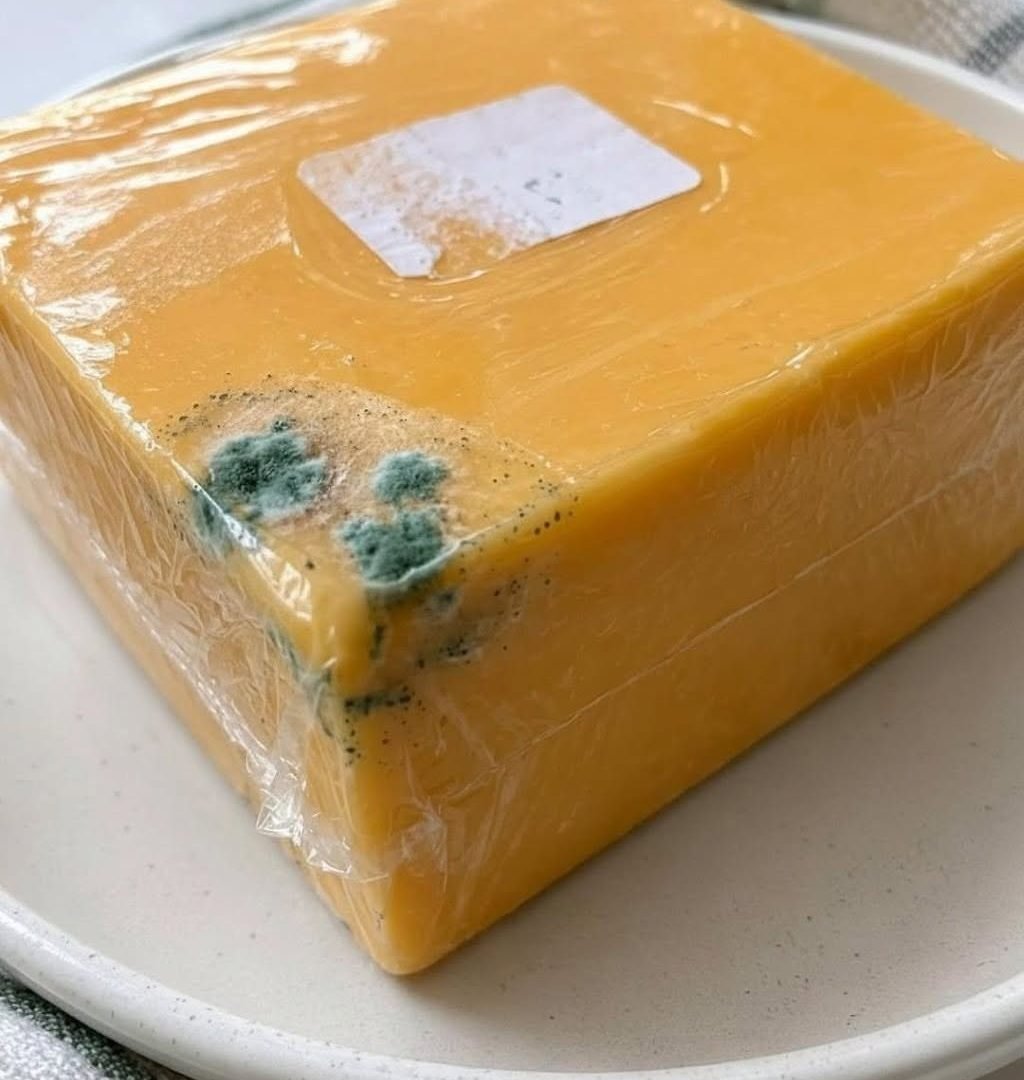
You buy a nice block of cheese, use a little, and then wrap the rest in plastic wrap. It seems like the obvious thing to do.
But according to cheese experts, that’s one of the worst things you can do. Plastic wrap is actually the enemy of good cheese. Here’s why, and what you should do instead. 👇
Disclaimer: This post is for informational purposes only. Always follow food safety guidelines for storage.
🔬 Why Plastic Wrap Is a Mistake
1. It Traps Moisture Plastic wrap creates a sealed environment that traps moisture against the cheese. That moisture encourages mold growth and makes the cheese slimy.
2. It Suffocates the Cheese Cheese needs to breathe. Wrapping it tightly in plastic cuts off airflow, which changes the texture and flavor.
3. It Makes the Cheese Sweat When you take the cheese out of the fridge, condensation forms under the plastic. That excess moisture ruins the cheese’s texture.
4. It Transfers Plastic Flavors Over time, the fats in the cheese can absorb chemicals from the plastic, altering its taste.
💡 What You Should Do Instead
1. Use Cheese Paper or Parchment Paper The best way to store cheese is in cheese paper or parchment paper. These materials allow the cheese to breathe while still protecting it.
2. Wrap It Loosely If you don’t have cheese paper, wrap the cheese loosely in parchment paper, then place it in a plastic bag or container. Leave the bag slightly open for airflow.
3. Use a Cheese Container A dedicated cheese container with a lid and vents is ideal. It maintains the right humidity while allowing air circulation.
4. Store It in the Vegetable Drawer The vegetable drawer has higher humidity, which is perfect for most cheeses.
5. Bring It to Room Temperature Before Eating This is key for flavor. Take the cheese out 30–60 minutes before serving.
❓ Frequently Asked Questions
Why is plastic wrap bad for cheese? It traps moisture, suffocates the cheese, and can transfer plastic flavors.
What is the best way to store cheese? In cheese paper or parchment paper, loosely wrapped, in the vegetable drawer of the fridge.
How long does cheese last in the fridge? Hard cheeses can last weeks to months. Soft cheeses last 1–2 weeks.
Can I eat cheese if it has mold? For hard cheeses, you can cut off the mold and eat the rest. For soft cheeses, discard the whole thing.
Should cheese be stored in the fridge? Yes — most cheeses should be refrigerated. Some hard cheeses can be kept at cool room temperature.
Can I freeze cheese? Yes — hard cheeses freeze well. Soft cheeses may become crumbly.
How do I keep cheese from drying out? Wrap it loosely in parchment paper, then place it in a plastic bag or container.
Does cheese need to breathe? Yes — cheese is a living product and needs airflow to maintain its quality.