The Emotional Weight of Shoulder Pain: Understanding the Mind-Body Connection and Finding Relief
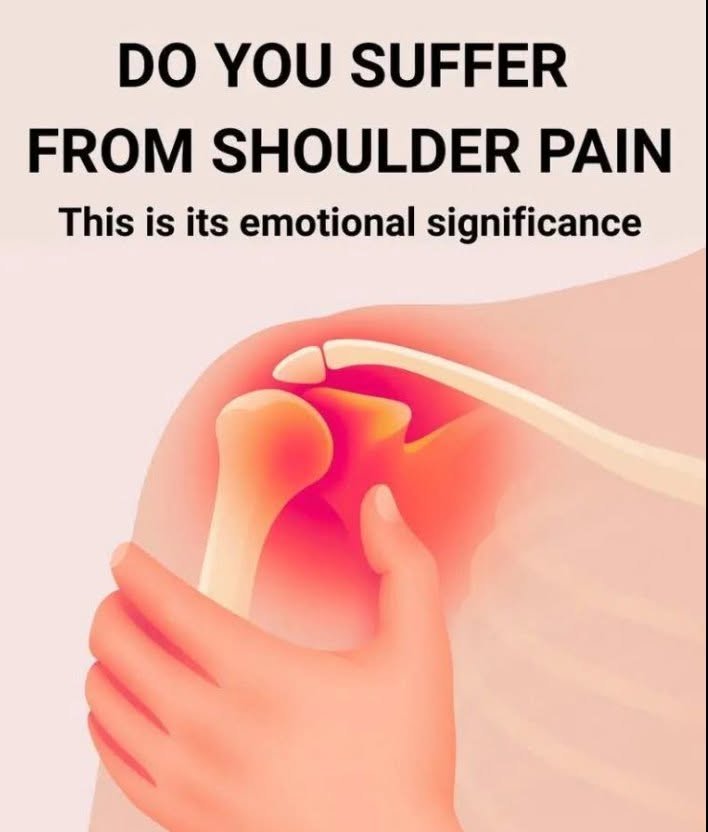
While exploring emotional meanings is valuable, it is medically imperative to ground this inquiry in anatomical reality and avoid the trap of spiritual bypassing. Shoulder pain is frequently caused by tangible structural issues such as rotator cuff tendinopathy, bursitis, osteoarthritis, cervical radiculopathy, or calcific deposits that require evidence-based medical intervention. Emotional stress may be linked to increased pain sensitivity and muscle tension, but it does not cause bone spurs or tear tendons; attributing all shoulder pain to emotions can delay necessary treatments like surgery, injections, or targeted rehabilitation. A balanced approach acknowledges that a patient can have both a torn labrum AND unresolved grief, and that healing requires addressing both dimensions simultaneously without conflating them. Ignoring red flags like sudden weakness, night pain, or history of trauma in favor of emotional analysis can lead to permanent joint damage and disability.
Moreover, the concept of psychosomatic pain should never be used to invalidate a patient’s experience or imply that their suffering is “all in their head.” The pain is real, regardless of its origin, and the neural pathways involved in emotional processing overlap significantly with those involved in nociception. Chronic stress alters cortisol levels and inflammatory markers, creating a biochemical environment that exacerbates tissue degeneration and slows healing. Therefore, treating the emotional component is not about dismissing the physical injury but about optimizing the biological terrain for recovery. Integrative care models that combine orthopedic treatment with somatic therapy, mindfulness-based stress reduction, or counseling have shown superior outcomes for chronic shoulder pain compared to either modality alone. This holistic validation empowers patients to take ownership of their healing journey without shame, recognizing that their emotions are a vital sign as important as their MRI results.