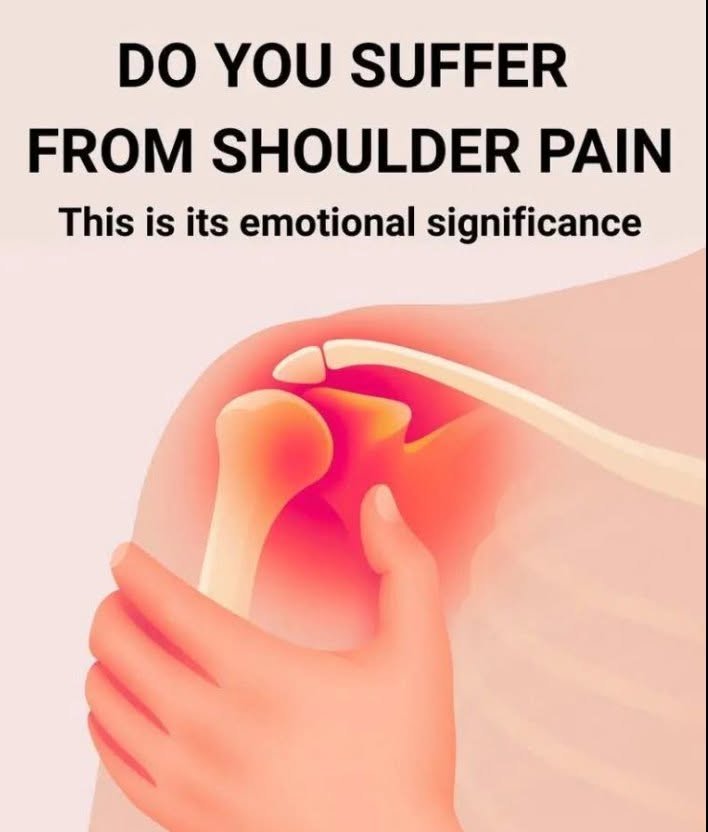
The Emotional Weight of Shoulder Pain: Understanding the Mind-Body Connection and Finding Relief
Grief and loss represent another profound emotional landscape where shoulder pain frequently manifests, particularly in the form of frozen shoulder or adhesive capsulitis. The shoulder joint is essential for embracing, holding, and reaching out; when we experience the loss of a loved one or a significant relationship, the unconscious desire to withdraw from connection or the inability to “hold on” anymore can physically restrict the joint’s range of motion. Some holistic practitioners suggest that frozen shoulder may be linked to a deep-seated fear of future loss or an unwillingness to let go of the past, creating a literal freezing of the mechanism used for intimacy. The stiffness serves as a protective barrier, preventing the vulnerability required for new connections while simultaneously punishing the body for its isolation.
Additionally, shoulder pain may be linked to suppressed anger and the inhibition of self-expression. The deltoid and rotator cuff muscles are involved in pushing away, striking out, and gesturing emphatically; when we feel unable to defend our boundaries or express our frustration safely, this aggressive energy turns inward against our own tissues. This phenomenon is often seen in individuals who pride themselves on being “nice” or compliant at the expense of their own needs, leading to a buildup of resentment that settles in the shoulder girdle. The pain becomes a somatic scream for the boundaries that were never verbally established. Furthermore, perfectionism and the fear of making mistakes can create a rigid posture where the shoulders are hunched forward in a defensive crouch, protecting the heart and throat chakras from perceived criticism. Identifying these emotional drivers—grief, suppressed rage, or perfectionism—is essential for unlocking the physical tension that talk therapy alone may not reach and that physical therapy alone cannot sustain.