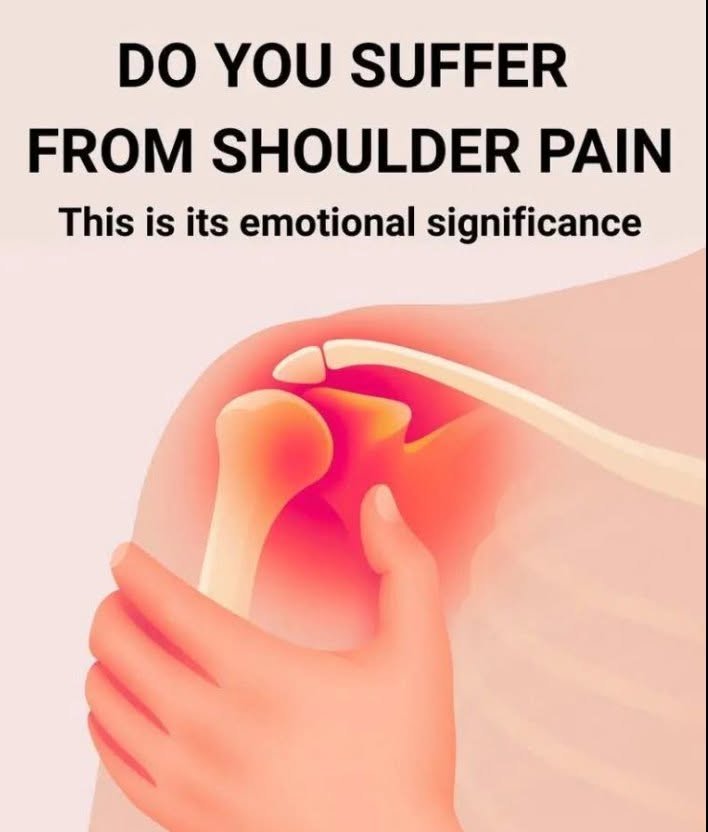
The Emotional Weight of Shoulder Pain: Understanding the Mind-Body Connection and Finding Relief
In the realm of mind-body connection, the shoulders are universally recognized as the primary center for carrying burdens, both literal and figurative. When we say someone has “the weight of the world on their shoulders,” we are describing a physiological reality where chronic stress triggers the sympathetic nervous system, causing the trapezius and levator scapulae muscles to contract in a perpetual state of guard. This protective armoring may be linked to feelings of overwhelming responsibility, whether it involves caring for aging parents, managing a demanding career, or holding a family together through crisis. The body interprets emotional pressure as a physical threat, tightening the shoulder girdle to prepare for impact, and over time, this sustained contraction leads to ischemia, trigger points, and chronic pain that no amount of massage can permanently resolve if the underlying stressor remains unaddressed.
Beyond general burden-bearing, specific types of shoulder pain may be linked to distinct emotional conflicts regarding support and independence. The right shoulder is often symbolically associated with giving, action, and masculine energy, while the left shoulder is frequently linked to receiving, nurturing, and feminine energy. Pain in the right shoulder may be linked to feelings of being unable to act effectively, frustration with one’s ability to provide, or guilt over perceived failures in duty. Conversely, left shoulder discomfort may be linked to difficulties in accepting help, feeling emotionally unsupported, or suppressing the need to be cared for. These symbolic associations are not diagnostic tools but rather mirrors for introspection; asking yourself “What am I refusing to receive?” or “Where do I feel powerless to act?” can reveal emotional blockages that contribute to physical tension. Recognizing these patterns allows you to address the root cause of the muscular guarding rather than just treating the symptom.