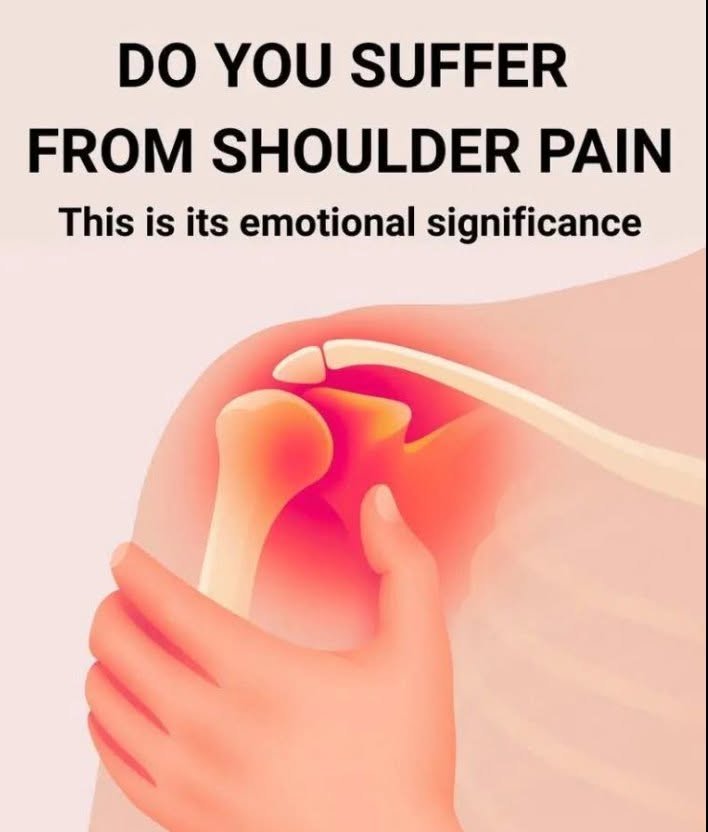
What Is the Emotional Meaning of Shoulder Pain? Exploring the Deep Mind-Body Connection
Shoulder pain is one of the most common physical complaints in the modern world. Whether it manifests as a dull, constant ache, a sharp, stabbing sensation when reaching for an object, or a frustrating stiffness that limits your range of motion, it can significantly impact your quality of life. Conventional medicine typically approaches shoulder pain through a structural lens, looking for physical culprits such as rotator cuff injuries, tendonitis, arthritis, poor posture, or muscle strains. While these diagnoses are valid and necessary, they often tell only half the story.
An increasing number of healthcare professionals, psychologists, and somatic practitioners are turning their attention to a profound and often overlooked dimension of physical pain: its emotional significance. The concept of the mind-body connection suggests that our emotional state, unresolved trauma, chronic stress, and subconscious psychological burdens can manifest as physical tension and pain.
The shoulder, in particular, holds a unique and powerful symbolic place in the human experience. It is the bridge between the heart and the hands, the joint that allows us to reach out, embrace, push away, and carry weight. When we are overwhelmed by responsibilities, suppressing anger, or feeling emotionally unsupported, the shoulders are frequently the first area to tighten, brace, and eventually break down.