The Banana After 60: What Eating One Every Day Really Does to Your Body
The Negative Impacts: What a Daily Banana “Causes” (The Bad)
While the benefits are substantial, the phrase “seriously impact your health” also applies to the potential dangers. In the 60+ demographic, underlying medical conditions and age-related changes can turn this healthy snack into a risk.
1. The Hidden Danger of Hyperkalemia (Kidney Function)
This is the most critical warning for adults over 60. The kidneys are the body’s filtration system, responsible for filtering out excess potassium from the bloodstream. However, kidney function naturally declines with age. According to the National Kidney Foundation, approximately 37 million American adults have Chronic Kidney Disease (CKD), and a significant percentage are unaware of it.
If you have even mild kidney impairment, your body cannot effectively excrete the potassium from a daily banana. Over time, potassium can build up in the bloodstream, leading to a condition called hyperkalemia.
Normal blood potassium levels range from 3.5 to 5.0 mEq/L. When levels exceed 6.0 mEq/L, the risk of dangerous cardiac arrhythmias (irregular heartbeats) increases. At levels above 7.0 mEq/L, it can cause cardiac arrest. The symptoms of hyperkalemia include muscle weakness, fatigue, and palpitations. For a 60-year-old with undiagnosed CKD, a daily banana habit can be the tipping point toward a medical emergency.
2. Blood Sugar Spikes and Diabetes Management
The prevalence of Type 2 diabetes increases significantly after age 45. If you are managing your blood sugar, bananas require careful handling.
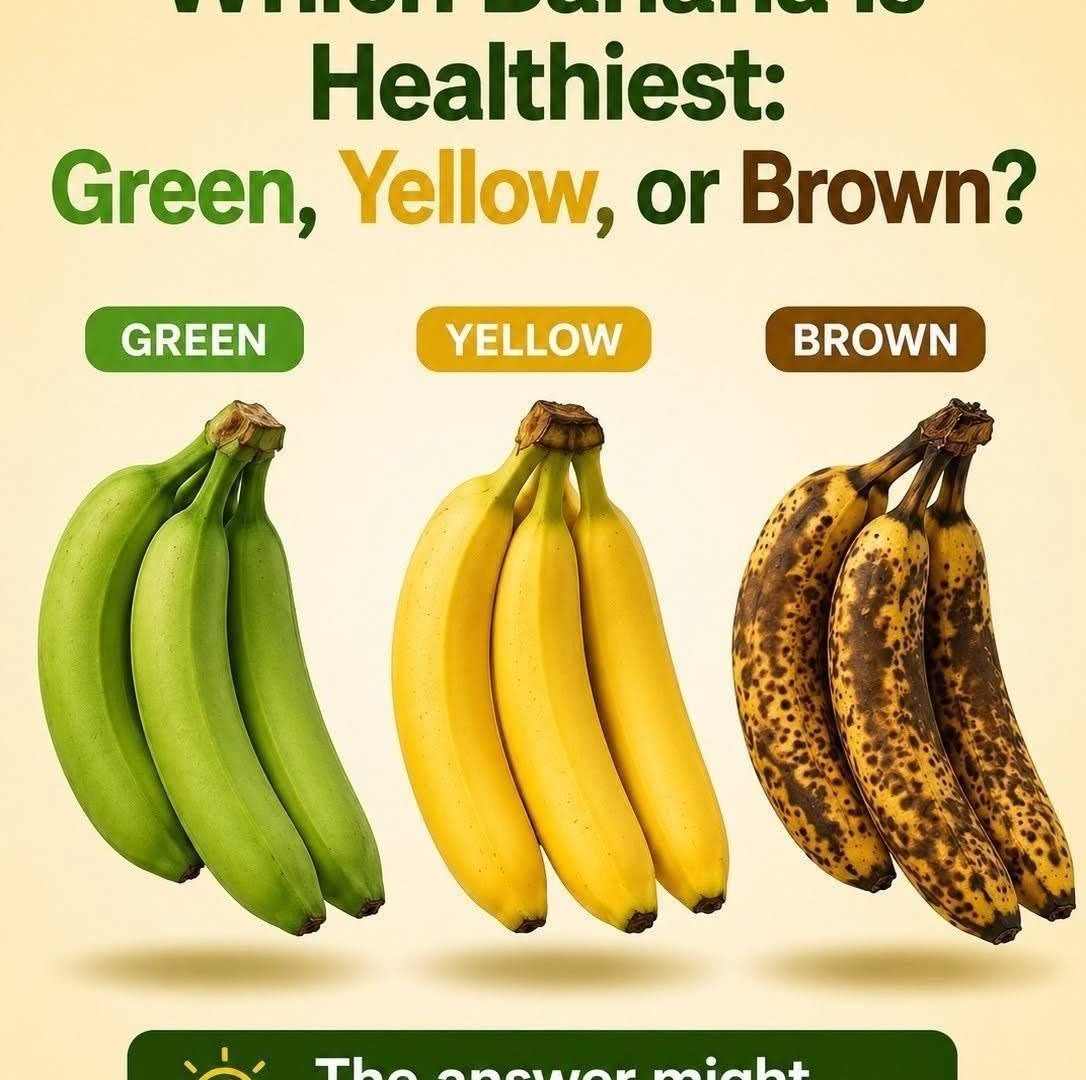
Bananas are rich in carbohydrates and natural sugars. The impact they have on your blood sugar depends entirely on their ripeness. A green, underripe banana is high in “resistant starch,” a type of carbohydrate that resists digestion and does not spike blood sugar. However, as the banana ripens and develops brown spots, the starch converts into simple sugars (glucose, fructose, sucrose).
A large, fully ripe banana can have a glycemic index (GI) of 60 or more, which is considered moderate to high. Consuming a large ripe banana every day can cause significant blood sugar spikes in a senior with insulin resistance, contributing to poor glycemic control and increasing the risk of diabetes-related complications.
3. Medication Interactions Every Senior Should Know
Adults over 60 are frequently prescribed multiple medications. Certain common drugs can interact dangerously with the high potassium content of bananas.
ACE Inhibitors: Medications like lisinopril, enalapril, and ramipril (used for high blood pressure and heart failure) work by preventing the body from excreting potassium. Eating a daily banana while on an ACE inhibitor can rapidly elevate blood potassium to dangerous levels.
Potassium-Sparing Diuretics: Drugs like spironolactone also prevent potassium loss, creating a similar risk.
Beta-Blockers: These heart medications can impair the body’s ability to shift potassium into cells, compounding the risk of hyperkalemia.
4. Weight Gain and Caloric Density
While bananas are healthy, they are not a “free food.” At 105 calories per medium banana, consuming them daily on top of a regular diet can contribute to weight gain. For a 60-year-old with a slowing metabolism, an excess of 100 calories a day can add up to 10 pounds a year if not balanced by physical activity.
How to Eat Bananas Safely After 60: The Golden Rules
You do not need to give up bananas, but you do need to consume them intelligently. Here is the protocol for safe consumption after 60.
1. Know Your Kidney Numbers
Before making a banana a daily habit, ask your doctor for a basic metabolic panel (blood test) to check your kidney function (eGFR) and potassium levels. If your kidney function is below 60 (Stage 3 CKD), you should strictly limit high-potassium foods like bananas and consult a renal dietitian.
2. Review Your Medications
If you are taking an ACE inhibitor or a potassium-sparing diuretic, you must talk to your doctor or pharmacist before eating bananas daily. They may suggest limiting your intake to half a banana a day or only a few times a week.
3. Mind the Ripeness
If you have diabetes or pre-diabetes, choose bananas that are slightly green or just yellow. Avoid the heavily spotted, very soft bananas, as these have the highest sugar content and glycemic index.
4. Pair It Properly
Never eat a banana alone as a snack. To prevent blood sugar spikes, pair it with a source of protein or healthy fat. Eat a banana with a handful of almonds, a spoonful of peanut butter, or a cup of Greek yogurt. The fat and protein slow gastric emptying, blunting the sugar spike.
5. Portion Control
A large banana is two servings. For seniors, a small to medium banana (or half of a large one) is the ideal daily portion.
Conclusion: The Personalized Banana
The viral claim that eating a banana daily can “seriously impact your health” after 60 is absolutely true—but the impact is highly individualized. For a senior with healthy kidneys, normal blood sugar, and no interfering medications, a daily banana is a nutritional goldmine. It lowers blood pressure, feeds the gut, prevents cramps, and supports brain health.
However, for the millions of seniors living with chronic kidney disease, diabetes, or those taking specific heart medications, the daily banana can be a hidden hazard. The lesson is not to fear the banana, but to respect it. By understanding your own body, reviewing your medical history, and paying attention to ripeness and portion sizes, you can safely harness the incredible health benefits of this remarkable fruit without putting your well-being at risk.
Frequently Asked Questions
Is it safe for a 60-year-old to eat a banana every day?
For most healthy 60-year-olds with normal kidney function, a daily banana is very safe and highly beneficial. However, if you have kidney disease, diabetes, or take certain blood pressure medications, you must consult your doctor first.
Can a banana a day cause high potassium?
In people with normal kidney function, the body easily excretes excess potassium. However, in older adults with declining kidney function, eating a banana daily can contribute to hyperkalemia (dangerously high potassium levels), which can cause irregular heartbeats.
Does eating a banana raise blood sugar?
Yes, especially if the banana is very ripe. Ripe bananas contain high amounts of simple sugars. Seniors with diabetes should choose slightly green bananas and pair them with protein or fat to slow down the absorption of sugar.
Do bananas interact with high blood pressure medication?
Yes. ACE inhibitors (like lisinopril) and potassium-sparing diuretics (like spironolactone) cause the body to retain potassium. Eating potassium-rich foods like bananas while taking these drugs can lead to a dangerous spike in blood potassium.
Why do bananas help with leg cramps?
Bananas are rich in potassium and magnesium. These electrolytes are essential for proper muscle contraction and relaxation. A deficiency in these minerals is a common cause of nighttime leg cramps.
Is a green banana better for you than a yellow one?
Green bananas contain more resistant starch, which acts like fiber and does not spike blood sugar. Yellow/ripe bananas are sweeter and have a higher glycemic index but are easier to digest.
How many bananas can a senior eat per day?
For most healthy seniors, one small to medium banana a day is plenty. Eating more than that can add unnecessary calories and elevate potassium levels too high.
When is the best time for a 60-year-old to eat a banana?
Bananas are excellent for breakfast or as a pre-workout snack. If you have blood sugar concerns, eat them as part of a larger meal or paired with a protein, rather than alone on an empty stomach.