Omeprazole and reflux: why a doctor is warning about this widespread habit (and what to do if you are affected)
The Path Forward: How to Safely Stop Omeprazole
The doctor’s advice is not to simply throw away your pills. The key is a supervised, gradual approach. Never stop a prescribed medication abruptly without medical advice, especially if you have a history of severe GERD, Barrett’s esophagus, or a bleeding ulcer. For appropriate candidates, the strategy is a slow taper.
The Step-Down Method
A common and effective approach is to reduce the dose in a stepwise fashion. If you are on 40 mg daily, your doctor might suggest dropping to 20 mg for two to four weeks. If symptoms remain controlled, the next step could be 10 mg daily for another period, followed by taking 10 mg every other day, and eventually stopping altogether. This gradual reduction gives your body’s acid-producing machinery time to recalibrate, minimizing the severity of rebound symptoms. Some clinicians may also suggest a temporary switch to an H2 blocker, such as famotidine, to ease the transition. Throughout this process, it is crucial to have a plan for breakthrough symptoms, which may include short-term use of antacids for immediate relief.
Who Should Not Stop?
It is vital to recognize that not everyone should come off PPIs. For some, the medication is a lifelong necessity. If you have Barrett’s esophagus (a precancerous condition), severe erosive esophagitis, a history of bleeding ulcers, or if you take a PPI to protect your stomach while on NSAIDs, aspirin, or steroids, stopping the medication could expose you to serious risk. In these cases, the protective benefits of the PPI far outweigh the potential long-term risks, and the focus should be on using the lowest effective dose under regular medical supervision.
Reclaiming Control: Lifestyle Strategies for Long-Term Relief
The most sustainable way to manage reflux and reduce reliance on medication is to address the underlying drivers. While PPIs manage the symptom (acid), they do not fix the mechanical or lifestyle factors that cause reflux in the first place. A comprehensive approach includes:
Weight Management: Excess abdominal weight increases pressure on the stomach, promoting reflux.
Dietary Adjustments: Identifying and reducing trigger foods—such as spicy dishes, citrus, tomatoes, chocolate, caffeine, and alcohol—can significantly reduce symptoms.
Meal Timing and Size: Eating smaller, more frequent meals and avoiding eating within three hours of bedtime can prevent nighttime reflux.
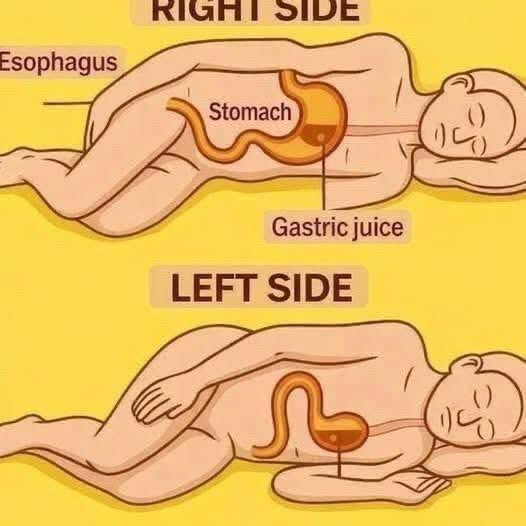
Elevating the Head of the Bed: This uses gravity to keep stomach contents down while you sleep.
Stress Reduction: Stress can exacerbate digestive issues, so incorporating relaxation techniques like deep breathing or meditation can be beneficial.
These changes not only help during the tapering process but also empower you to manage your digestive health in the long term, reducing the likelihood of needing to return to daily medication.
Conclusion: A Call for Conscious Prescribing and Informed Use
The viral image of the Omeprazole box is a powerful reminder of a fundamental truth in modern medicine: every effective drug carries a corresponding risk. Proton pump inhibitors have revolutionized the treatment of acid-related diseases and have prevented countless cases of esophageal cancer and bleeding ulcers. However, their very effectiveness has led to overuse and a complacency that ignores their long-term consequences. The doctor’s plea to “stop as soon as possible” is not an indictment of the drug, but a call for a more thoughtful, personalized approach to prescribing. It is a reminder that these medications should be used for the shortest duration necessary, at the lowest effective dose, and with regular reassessment.
If you are currently taking omeprazole, do not panic, but do take action. The most important step you can take is to have an open, honest conversation with your healthcare provider. Discuss whether you still need the medication, explore a safe tapering plan if appropriate, and commit to the lifestyle changes that can support your digestive health for years to come. By becoming an informed and proactive participant in your care, you can navigate the path to better health, free from the grips of a habit that, for many, has outlived its usefulness.
Frequently Asked Questions
Is it dangerous to stop taking omeprazole suddenly?
Stopping abruptly after long-term use can trigger rebound acid hypersecretion, a temporary condition where the stomach produces more acid than before, causing severe heartburn and reflux. This is not a sign that you need the drug permanently, but a withdrawal effect. A gradual taper is recommended to minimize this.
How long does it take to taper off omeprazole?
Tapering schedules vary. A common approach involves reducing the dose every 2–4 weeks. For example, from 40 mg to 20 mg, then to 10 mg, then every other day before stopping. Your doctor can create a plan tailored to your specific dose and duration of use.
Can long-term omeprazole use cause vitamin deficiencies?
Yes. Stomach acid is necessary for absorbing vitamin B12, magnesium, calcium, and iron. Long-term use can lead to deficiencies in these nutrients, which may require monitoring or supplementation.
Are there natural alternatives to omeprazole for reflux?
Lifestyle modifications are the first line of defense. These include weight loss, avoiding trigger foods, eating smaller meals, not lying down for 3 hours after eating, and elevating the head of the bed. For some, these changes are enough to manage symptoms without medication.
Who should NOT stop taking omeprazole?
Individuals with Barrett’s esophagus, severe erosive esophagitis, a history of bleeding ulcers, or those taking the PPI to protect their stomach while on NSAIDs or steroids should generally continue treatment. For these patients, the protective benefits are significant, and stopping could be dangerous.
How can I manage rebound acid while tapering?
Your doctor may suggest a slow taper, switching to an H2 blocker like famotidine, or using antacids sparingly for breakthrough symptoms. Knowing that the rebound is temporary and part of the process is crucial for success.
Does omeprazole affect kidney health?
Some studies have shown an association between long-term PPI use and an increased risk of developing chronic kidney disease (CKD) compared to other acid-reducing medications. The risk is considered modest but is a factor in the decision to use these drugs long-term.