Omeprazole and reflux: why a doctor is warning about this widespread habit (and what to do if you are affected)
Introduction: The Doctor’s Viral Warning
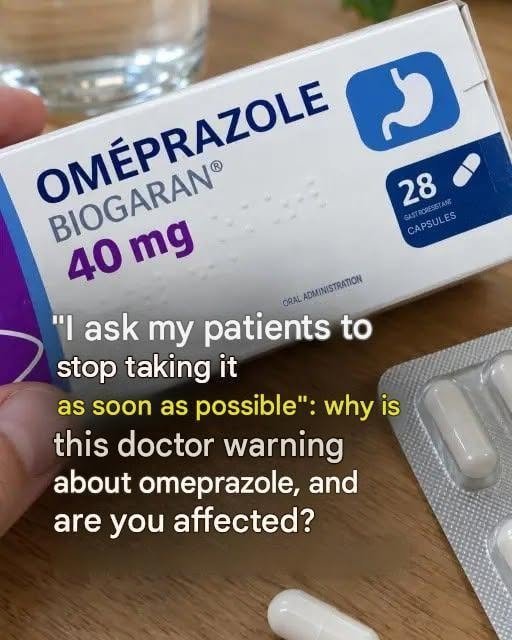
A single box of Omeprazole Biogaran 40 mg, held up to the camera, has ignited a fierce debate across social media. The image, overlaid with the stark warning, “I ask my patients to stop taking it as soon as possible,” has resonated with millions. It taps into a growing unease about a class of medications that has become almost as common as the common cold: proton pump inhibitors (PPIs). For countless individuals, a daily pill for heartburn or acid reflux is not a temporary measure but a permanent fixture of their morning routine, often continued for years without a second thought.
The doctor’s warning is not a fringe opinion. It reflects a significant shift in the medical consensus. While PPIs like omeprazole are undeniably effective and generally safe for short-term use, a mounting body of evidence links their long-term, unmonitored consumption to a spectrum of potential health risks, ranging from nutrient deficiencies to kidney complications. The problem is not the drug itself, but the habit—the widespread practice of continuing a prescription long after the initial need has passed, often driven by a fear of symptom recurrence or simply a lack of medical review.
This comprehensive two-part guide will dissect the reasons behind this doctor’s urgent plea. We will explore the science of how PPIs work, the specific long-term risks that have prompted this warning, and, most importantly, what you can do if you are one of the millions currently taking omeprazole. We will navigate the delicate process of safely stopping the medication, the phenomenon of rebound acid, and the lifestyle strategies that can help you manage reflux without relying on a permanent prescription. This is not a call to abandon effective treatment, but an invitation to become an informed, proactive partner in your own healthcare.
The Mechanism of Relief: How Omeprazole Works
To understand the risks, it is essential to first grasp the power of the drug. Omeprazole belongs to the class of medications known as proton pump inhibitors. These drugs are not simple antacids that neutralize existing stomach acid; they are far more potent. PPIs work by irreversibly blocking the “proton pump” (the hydrogen-potassium ATPase enzyme system) in the parietal cells of the stomach lining. This is the final common pathway for acid secretion. By shutting down these pumps, PPIs dramatically reduce the amount of acid produced, providing profound and long-lasting relief from the burning pain of gastroesophageal reflux disease (GERD) and allowing irritated esophageal tissue to heal.
This powerful acid suppression is precisely what makes PPIs so effective for conditions like erosive esophagitis, stomach ulcers, and Barrett’s esophagus. However, it is also this very mechanism—the sustained, near-total shutdown of stomach acid—that becomes a double-edged sword when the medication is used for months or years. Stomach acid is not merely a cause of discomfort; it is a critical component of digestion and a primary defense mechanism against ingested pathogens. When acid levels remain chronically low, the body’s delicate homeostasis is disrupted, setting the stage for the long-term consequences that doctors are increasingly warning about.
The Hidden Costs of Long-Term Use: What the Evidence Shows
The doctor’s advice to “stop as soon as possible” is rooted in a substantial and growing body of research that links prolonged PPI use to several adverse health outcomes. The concern is not a single, dramatic side effect, but a constellation of subtle, cumulative risks that can erode health over time.
Nutrient Depletion and Bone Health
Stomach acid is essential for the breakdown of food and the absorption of certain key nutrients. Chronic acid suppression can lead to deficiencies in vitamin B12, magnesium, calcium, and iron. Vitamin B12 is crucial for nerve function and red blood cell production, and its deficiency can cause fatigue, neuropathy, and cognitive issues. Magnesium deficiency can lead to muscle cramps, arrhythmias, and weakness. Perhaps most concerning is the impact on calcium absorption, which can contribute to a decrease in bone mineral density. Research has linked long-term PPI use to an increased risk of bone fractures, particularly in older adults who are already vulnerable to osteoporosis.
Kidney and Cardiovascular Concerns
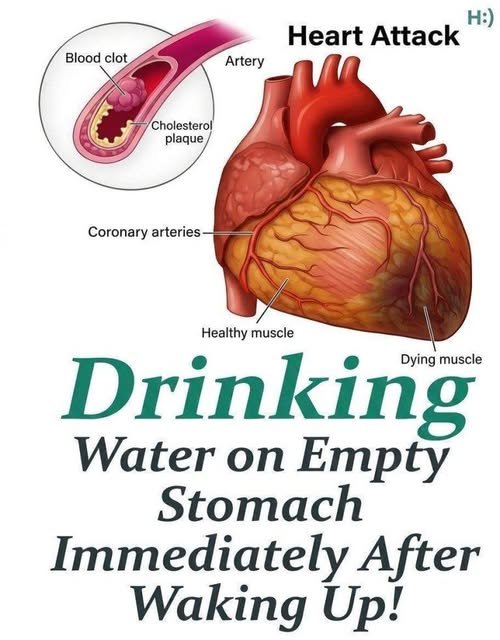
The kidneys are another area of focus. A large-scale study from the Karolinska Institutet, which followed nearly 300,000 patients for up to 15 years, found that individuals using PPIs had a higher risk of developing chronic kidney disease (CKD) compared to those using another class of acid reducers, H2 blockers. While a direct link to heart problems was not established, the study suggested an indirect connection: PPI use led to kidney disease, which in turn increased the risk of cardiovascular complications. This underscores how a medication prescribed for the stomach can have systemic, far-reaching effects.
The Infection Risk and Gut Microbiome
The acidic environment of the stomach is a first line of defense against harmful bacteria and viruses. When this barrier is compromised by long-term PPI use, the risk of certain infections increases. Studies have shown a heightened risk of community-acquired pneumonia and Clostridioides difficile (C. diff) infections, a potentially severe cause of diarrhea. Furthermore, by altering the pH of the gut, PPIs can disrupt the delicate balance of the gut microbiome, which is increasingly recognized as a cornerstone of overall health and immunity.
The Risk of Gastric Cancer
While the evidence is still evolving, some research has raised concerns about a potential association between long-term, heavy PPI use and an increased risk of gastric cancer. The mechanism is thought to involve the overgrowth of certain bacteria and the production of potentially carcinogenic compounds in the low-acid environment of the stomach. This is a long-term risk that underscores the importance of using these medications judiciously and only for clear, well-defined indications.
The Rebound Trap: Why Stopping Feels Impossible
If the risks of long-term use are so clear, why do so many people continue taking omeprazole for years? The answer lies in a powerful physiological phenomenon known as rebound acid hypersecretion.
When you take a PPI, your body senses the dramatic drop in stomach acid. In response, it ramps up the production of gastrin, a hormone that stimulates acid secretion. The acid-producing cells in the stomach also increase in size and number in a bid to compensate. As long as you continue taking the PPI, this compensatory mechanism is held in check. However, if you stop the medication abruptly, you effectively remove the brake. The primed, overgrown acid-producing machinery goes into overdrive, producing more acid than it did before you ever started the medication.
This rebound surge can cause a severe recurrence of heartburn, reflux, and indigestion that feels far worse than the original problem. Many people interpret this as a sign that they still desperately need the medication, leading them to restart it, thus entering a vicious cycle of dependency. In clinical trials, even healthy volunteers with no history of reflux developed heartburn after stopping a two-month course of PPIs. This is not a relapse of the underlying condition; it is a withdrawal effect, and understanding this distinction is the first step toward successfully coming off the medication.