Nighttime Leg Cramps: Here Is Exactly Why They Happen and Simple Solutions That Really Work
Nighttime Leg Cramps vs. Restless Legs Syndrome (RLS)
It is crucial to distinguish between nighttime leg cramps and Restless Legs Syndrome (RLS), as they require different management strategies. While both occur at night, they are distinct conditions. A leg cramp is a sudden, intense, and painful muscle contraction that causes a visible tightening of the muscle. RLS, on the other hand, is characterized by an overwhelming, often irresistible urge to move the legs, usually accompanied by uncomfortable sensations like tingling or crawling. RLS is typically not painful in the same way a cramp is, and its symptoms usually resolve with movement.
The Exact Causes: Why Do Legs Cramp at Night?
While the exact cause of nocturnal leg cramps remains elusive in many cases (classified as idiopathic), research has identified several key factors that significantly increase the likelihood of experiencing them.
1. Dehydration and Electrolyte Imbalances
Water and electrolytes (minerals like sodium, potassium, calcium, and magnesium) are the gatekeepers of proper muscle function. They carry the electrical charges that allow nerves to communicate with muscles. When the balance of these minerals is disrupted, the signaling process can malfunction, leading to a state where muscle fibers are continuously stimulated to contract.
Dehydration is a major culprit. When you are dehydrated, your body pulls water from your muscles and tissues, making them more prone to spasms. Taking diuretics (water pills), sweating excessively, or simply not drinking enough water during the day can all contribute.
2. Muscle Fatigue and Overexertion
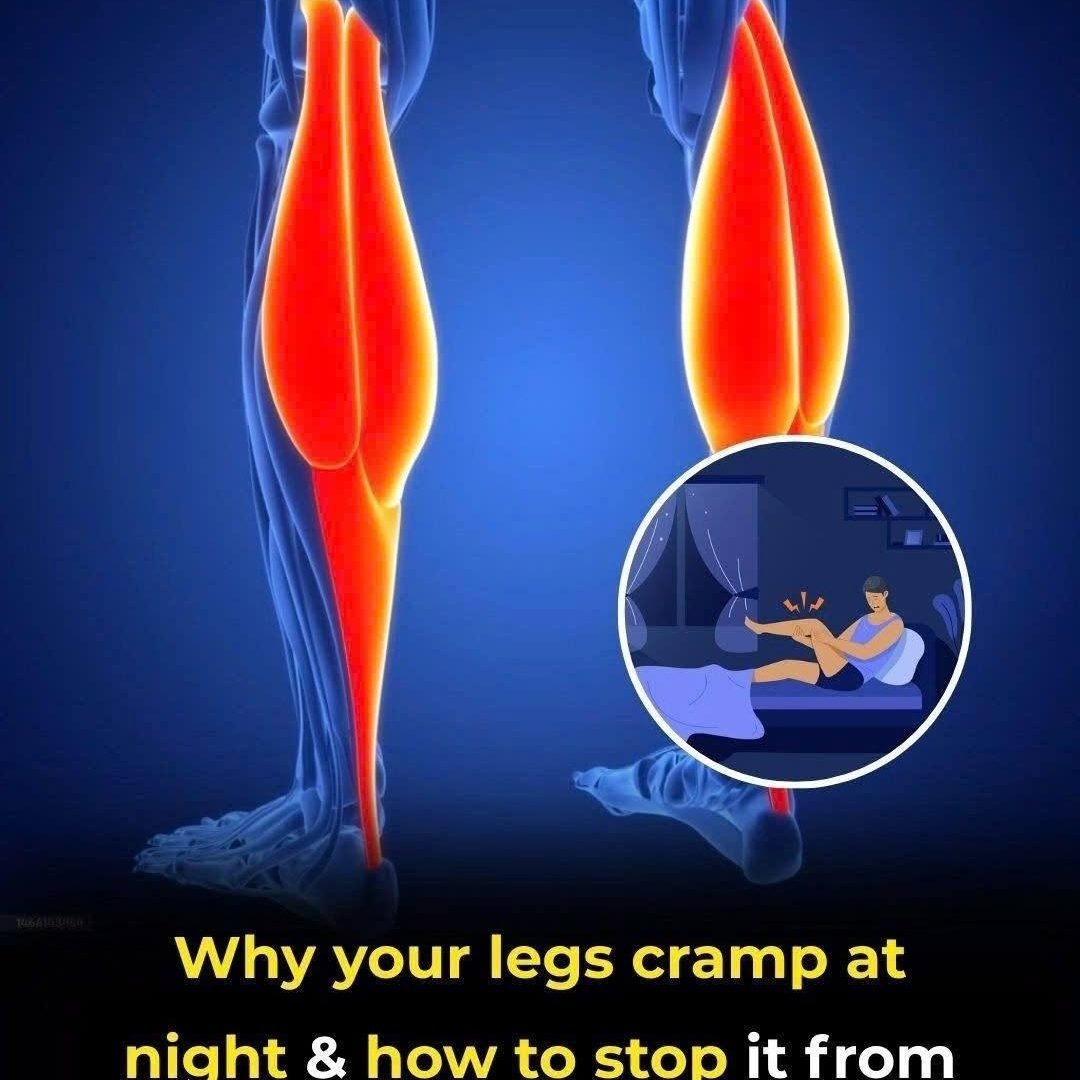
Strenuous exercise, particularly activities that heavily involve the calf muscles (like running, cycling, or prolonged walking), can lead to muscle fatigue. This fatigue makes the muscles more prone to cramping during the night. Conversely, prolonged sitting or inactivity can also cause muscle stiffness and increase the likelihood of cramps.
3. Poor Circulation
Insufficient blood flow to the legs can trigger cramping. Conditions such as peripheral artery disease (PAD), varicose veins, or simply sitting in a cramped position for long periods can impair circulation. In older adults, vascular issues are a common contributor to nighttime cramps.
4. Medications and Underlying Conditions
Sometimes, nighttime cramps are a side effect of a medication. Drugs known to cause muscle cramps include:
Diuretics: Which can deplete electrolytes.
Statins: Used for high cholesterol.
Blood pressure medications: Including beta-blockers.
Certain asthma medications (beta-agonists).
Additionally, medical conditions such as diabetes (which causes nerve damage), thyroid disorders, kidney disease, and pregnancy (due to weight gain and electrolyte shifts) can all contribute to nighttime leg cramps.
5. The Sleep Position Factor
The position you sleep in can play a significant role. Sleeping with your toes pointed downward (plantar flexion) can shorten the calf muscles, making them more prone to cramping. The weight of heavy blankets or tightly tucked sheets can keep the foot in this pointed position, increasing the risk.
Immediate Relief: What to Do When a Cramp Strikes
When you are jolted awake by the sharp pain of a cramp, your priority is immediate relief. There are several effective, simple techniques you can use to force the muscle to relax.
1. The Dorsiflexion Stretch
This is the most effective and safest method for relieving an acute cramp.
The Action: Sit up in bed and extend the cramped leg straight out in front of you. Flex your foot by pulling your toes up toward your face. You should feel the tight, knotted muscle in your calf begin to lengthen.
The Towel Trick: If you cannot reach your foot easily, loop a towel or a long piece of fabric around the ball of your foot and gently pull it toward you. Hold the stretch until the pain subsides.
2. Massage the Muscle
Gently massaging the cramped muscle with your hands or a foam roller can help break up the knot and stimulate blood flow. Start at the center of the cramp and work outward in circular motions.
3. Apply Heat
Applying a heating pad, a warm compress, or taking a hot shower directed at the muscle can help soothe the spasm and relax the muscle fibers.
4. Stand and Walk
If you can, get out of bed and stand on the affected leg. Putting your weight on it can help stop the cramp. You can also try walking around for a minute or two. If you have a cold floor, place a warm towel under your feet.
5. The Pickle Juice Remedy
While it sounds like an old wives’ tale, there is some anecdotal and scientific evidence that drinking a small amount (about 1 to 2 ounces) of pickle juice or drinking a tablespoon of apple cider vinegar mixed in water can provide rapid relief. The high acidity is thought to trigger a reflex in the throat that signals the nervous system to stop the muscle contraction.
Long-Term Prevention: Simple Solutions That Really Work
Once you have dealt with the immediate pain, the focus shifts to prevention. These lifestyle tweaks and habits can drastically reduce the frequency and severity of nighttime cramps.
1. Stretching Routine (The Most Effective Prevention)
A daily stretching routine, especially before bed, is one of the most highly recommended prevention strategies.
The Wall Calf Stretch: Stand facing a wall, place your hands on it, and step one foot back. Keep that back leg straight and your heel flat on the floor. Lean forward until you feel a stretch in the back calf. Hold for 30 seconds. Switch legs and repeat.
The Bedtime Toe Pull: Right before getting into bed, sit on the floor with your legs straight. Loop a towel around your toes and gently pull them toward you. Hold for 30 seconds.
2. Optimize Hydration and Electrolytes
Hydrate Throughout the Day: Aim for at least 8 to 10 cups of water daily. Limit dehydrating beverages like alcohol and caffeine, particularly in the evening.
Eat Electrolyte-Rich Foods: Include foods rich in potassium (bananas, potatoes, spinach), magnesium (nuts, seeds, leafy greens), and calcium (dairy, broccoli) in your daily diet.
3. Adjust Your Sleep Environment
Loosen the Bedding: Use loose-fitting sheets and blankets that do not force your toes into a pointed position. Keeping your feet free to flex upward can prevent cramps.
Keep Your Legs Warm: Cold muscles are more prone to cramping. Wearing warm socks to bed or using an extra blanket on your legs can help.
4. Manage Physical Activity
If you are prone to cramps after exercise, make sure to warm up thoroughly and cool down with stretching. Avoid sudden increases in exercise intensity. Conversely, if you sit for long periods, take frequent breaks to stand up and walk around to improve circulation.
5. Review Your Medications
If you suspect a medication is causing your cramps, do not stop taking it. Talk to your prescribing doctor. They may be able to adjust your dose or switch you to a different medication that does not have this side effect.
The Role of Vitamins and Minerals
A common question is whether vitamin deficiencies are the root cause of nighttime cramps. While severe deficiencies can certainly cause muscle issues, the evidence for routine supplementation in otherwise healthy people is mixed. However, ensuring adequate intake is a sensible approach.
Magnesium: Magnesium plays a critical role in muscle relaxation. A deficiency can lead to muscle twitching and cramping.
Potassium: Low potassium (hypokalemia) can disrupt the electrical signals that control muscle contractions.
Calcium: Calcium is directly involved in the mechanism of muscle contraction.
Vitamin D: Low levels of vitamin D have been associated with an increased risk of muscle cramps and musculoskeletal pain.
B Vitamins: Some B vitamins, particularly B complex, are involved in nerve health and muscle function.
A Note on Supplements: If you suspect a deficiency, talk to your doctor. They can run a blood test to check your levels and recommend an appropriate supplement. Do not start high-dose supplements without medical advice, as they can interact with other medications or conditions.
When to See a Doctor: Red Flags for Nighttime Cramps
While most nighttime leg cramps are harmless, there are certain “red flags” that warrant a medical evaluation. You should schedule an appointment with a healthcare professional if you experience any of the following:
Cramps that are severe, persistent, or continue to occur frequently. If a cramp lasts longer than 10 minutes or if they are significantly disrupting your sleep and quality of life, it is time to seek help.
Cramps accompanied by other symptoms. These include muscle weakness, loss of sensation or numbness in the affected limb, or swelling in the leg.
Cramps that occur during exercise and go away with rest. This could be a sign of claudication, which is caused by peripheral artery disease (PAD).
Cramps that started after beginning a new medication.
You have a known medical condition such as kidney failure, diabetes, or thyroid disease.
Cramps occur in your chest, arms, or abdomen, as these could be a sign of a more serious issue.
Conclusion: Reclaiming Your Restful Nights
Nighttime leg cramps are a common, frustrating, and sometimes painful reality for many people. While they are usually benign, the sudden, searing pain of a charley horse can disrupt your rest and leave you feeling exhausted. However, by understanding the root causes—from dehydration and electrolyte imbalances to muscle fatigue and sleep positions—you can take control of the situation.
Simple strategies like staying well-hydrated, incorporating a daily stretching routine, keeping your bedding loose at the foot of the bed, and ensuring a diet rich in essential minerals can make a world of difference. When a cramp strikes, immediate stretching and massage can help to relieve the pain quickly. However, if you experience frequent, severe, or unusual cramps, do not hesitate to consult a healthcare professional. Identifying and addressing any underlying issues is the key to ensuring your body gets the rest and recovery it needs to function at its best.
Frequently Asked Questions
What is the fastest way to stop a nighttime leg cramp?
The fastest way to stop a cramp is to gently stretch the affected muscle. For a calf cramp, sit up, straighten your leg, and flex your foot by pulling your toes up toward your head. You can also try standing up and putting weight on the leg, or massaging the muscle firmly.
What deficiency causes leg cramps at night?
Cramps can be associated with deficiencies in several key minerals, including potassium, magnesium, and calcium. Low levels of vitamin D have also been linked to muscle cramps. Ensuring a balanced diet rich in these nutrients can help prevent cramps.
Does drinking pickle juice help with leg cramps?
Some people find that drinking a small amount of pickle juice provides rapid relief. The high acidity is thought to trigger a reflex in the throat that signals the nervous system to stop the muscle contraction. While anecdotal evidence is strong, scientific studies are limited.
Are nighttime leg cramps a sign of a serious health problem?
In the vast majority of cases, no. Most nighttime leg cramps are benign and have no identifiable cause. However, frequent or severe cramps can sometimes be associated with underlying conditions like kidney disease, diabetes, thyroid issues, or peripheral artery disease. If you are concerned, it is always best to consult a doctor.
What foods help prevent leg cramps?
Foods rich in potassium (bananas, potatoes, spinach), magnesium (nuts, seeds, leafy greens), and calcium (dairy, broccoli) can help. Staying well-hydrated with water throughout the day is equally important.
Should I take magnesium supplements for leg cramps?
Magnesium supplements are often used for cramps, but you should talk to your doctor before starting one. They can help if you have a deficiency, but they are not a guaranteed cure for all cramps and can interact with certain medications or health conditions.
Why do my legs cramp after exercise?
Exercise, particularly activities that heavily involve the calf muscles, can lead to muscle fatigue. This fatigue makes the muscles more prone to cramping during the night. Make sure to warm up, cool down, and stretch after exercising.
Can poor circulation cause leg cramps at night?
Yes, vascular conditions that impair blood flow to the legs can contribute to cramping. However, this type of cramping is often more characteristic of claudication, which occurs during exercise and is relieved by rest. A doctor can evaluate your circulation if you have concerns.