How to Cure Sciatic Nerve Pain: The 5 Most Effective Exercises, Critical Safety Guidelines, and Recovery Roadmap
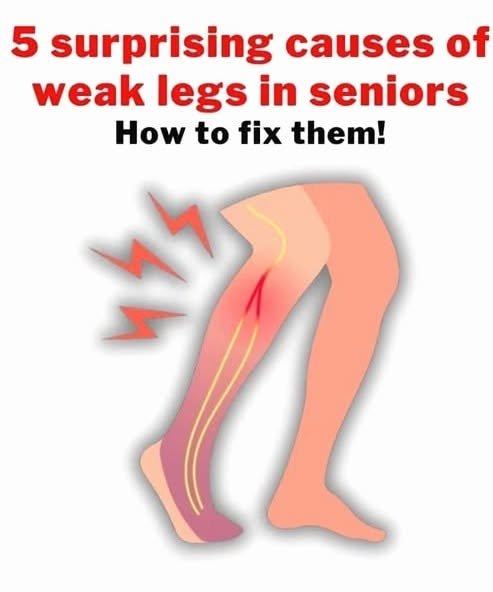
Sciatica is a term that is frequently used but often misunderstood. It is not a disease in itself, but rather a set of symptoms that arise from irritation, inflammation, or compression of the sciatic nerve—the longest and largest nerve in the human body. This nerve originates in the lower back, travels through the buttocks, and extends all the way down the back of each leg to the foot. When something disrupts this neural pathway, the result can be a debilitating, sharp, shooting pain that radiates through the lower extremities, often accompanied by numbness, tingling, or weakness. For those who experience it, the search for a cure can feel urgent and overwhelming. The good news is that the vast majority of sciatica cases resolve without surgical intervention, and targeted, gentle movement is widely recognized as one of the most effective tools for recovery.
However, the path to relief is not as simple as performing a generic stretch routine found online. The underlying cause of the nerve irritation—whether it is a herniated disc, spinal stenosis, or piriformis syndrome—dictates which movements are therapeutic and which are potentially harmful. A one-size-fits-all approach can backfire, turning a manageable flare-up into a prolonged period of pain. This comprehensive guide will explore the anatomy of sciatica, detail five highly effective exercises to decompress the nerve and build supporting strength, highlight the critical movements you must avoid, and outline the red-flag symptoms that require immediate medical attention. By understanding the “why” behind the movements, you can approach your recovery with confidence and precision.
Understanding the Anatomy of Sciatic Nerve Pain
The sciatic nerve is a massive bundle of nerve fibers that begins in the lower spine (lumbar region) and runs through the pelvis and down each leg. It is formed by the merging of several spinal nerve roots. When a person experiences sciatica, it is typically because one of these nerve roots is being pinched or compressed by surrounding structures. The most common culprit is a herniated disc, where the soft, gel-like center of a spinal disc bulges outward and presses against the nerve root. Other causes include spinal stenosis (a narrowing of the spinal canal), spondylolisthesis (a vertebra slipping out of alignment), or, less commonly, irritation of the nerve by the piriformis muscle in the buttocks.
Because the sciatic nerve is so long, the symptoms can manifest anywhere along its path. While some individuals experience lower back pain, the hallmark of sciatica is pain that travels down the leg. This pain is often described as sharp, shooting, burning, or electric-like. It may be accompanied by tingling (“pins and needles”), numbness, or muscle weakness in the affected leg or foot. Understanding that sciatica is a symptom of an underlying mechanical issue is the first step toward effective treatment. It means that the goal of exercise is not simply to “stretch” the pain away, but to create space for the nerve, reduce compression, and strengthen the muscles that support the spine and pelvis.
The 5 Core Exercises to Relieve Sciatic Nerve Pain
The following five exercises are frequently recommended by physical therapists to gently mobilize the spine, release tension in the surrounding muscles, and decompress the sciatic nerve. They are designed to be performed slowly and deliberately. Consistency is far more important than intensity. Before beginning any routine, it is advisable to take a short, gentle walk to warm up the muscles and increase blood flow to the area. If any movement causes sharp pain or symptoms to radiate further down the leg, stop immediately.
1. The Knee-to-Chest Stretch
This foundational stretch helps to gently mobilize the lower back and release tension in the glutes, which can ease pressure on the nerve roots. It is a safe starting point for most individuals.
How to perform it: Begin by lying flat on your back with both legs extended. Bend one knee and slowly bring it toward your chest, using your hands to gently pull it closer. Keep your other leg flat on the floor. You should feel a comfortable stretch in your lower back and buttock. Hold this position for 20 to 30 seconds, breathing slowly and deeply. Return to the starting position and repeat on the other side. Perform two to three repetitions per leg.
2. The Piriformis Stretch (Figure-4 Stretch)
The piriformis is a small muscle located deep in the buttocks. When it becomes tight or spasms, it can compress the sciatic nerve. This stretch, often called the figure-4 stretch, specifically targets this muscle to relieve that specific point of compression.
How to perform it: Lie on your back with your knees bent and feet flat on the floor. Cross your right ankle over your left knee, forming the shape of the number “4.” Gently reach through and grasp your left thigh with both hands, pulling it toward your chest. Keep your head and shoulders relaxed on the floor. You should feel a deep stretch in your right buttock. Hold for 20 to 30 seconds, then release and switch sides. Repeat two to three times per side.
3. The Glute Bridge
While stretching relieves tension, strengthening is essential for long-term stability. The glute bridge activates the gluteal muscles and the core, which are crucial for supporting the lower back and taking strain off the sciatic nerve.
How to perform it: Lie on your back with your knees bent and feet flat on the floor, hip-width apart. Place your arms at your sides with your palms facing down. Tighten your abdominal muscles and squeeze your glutes as you lift your hips upward until your body forms a straight line from your shoulders to your knees. Be careful not to arch your lower back excessively. Hold the top position for about five seconds, then slowly lower your hips back to the floor. Repeat for 10 to 15 repetitions.
4. The Bird-Dog Exercise
The bird-dog is a fantastic exercise for building core stability and promoting spinal alignment. By engaging the deep abdominal muscles and the muscles along the spine, it helps to protect the nerve from further irritation.
How to perform it: Start on all fours, with your hands directly under your shoulders and your knees directly under your hips. Keep your back flat and your neck in a neutral position, looking down at the floor. Simultaneously extend your right arm straight forward and your left leg straight back. Engage your core to maintain a stable, level pelvis. Hold this position for about five seconds, then slowly return to the starting position. Alternate sides, completing 10 repetitions per side.
5. The Cat-Camel Stretch
This gentle mobility flow is excellent for warming up the spine and relieving stiffness in the lower back. It is a low-impact way to improve spinal flexibility and reduce tension.
How to perform it: Begin on your hands and knees in a tabletop position. Inhale deeply as you let your belly sag toward the floor, lifting your chest and head slightly (this is the “Cow” position). Exhale slowly as you round your spine toward the ceiling, tucking your chin to your chest (this is the “Cat” position). Move smoothly and fluidly between the two positions for 30 to 60 seconds, synchronizing the movement with your breath.
Critical Safety Guidelines for Exercising with Sciatica
While these exercises are generally safe and effective, they must be performed with caution and an awareness of your body’s signals. Sciatica is a complex condition, and what works for one person may not work for another. Adhering to the following safety guidelines is essential for preventing setbacks and promoting healing.
The Golden Rule: Stop If It Hurts
The most important rule is to listen to your body. If any stretch or exercise causes sharp pain, shoots pain further down your leg, or creates new numbness or tingling, stop immediately. A mild, comfortable stretch is acceptable; pain is a warning sign. Never push through sharp pain in an attempt to “stretch it out,” as this can aggravate the inflamed nerve.
Avoid Bouncing and Jerky Movements
When stretching, use slow, controlled movements. Bouncing or forcing a stretch can trigger a protective reflex in the muscles, causing them to tighten further and potentially increasing tension on the nerve. Static holds, where you hold a gentle stretch for a period of time, are safer and more effective.
Warm Up Before You Stretch
Cold muscles are more prone to injury. Before performing any stretches, take a five- to ten-minute walk or do some gentle movements to increase blood flow and warm up the tissues. Applying a heat pack to the lower back or buttocks for 10 to 15 minutes before exercising can also help relax tight muscles. However, be cautious with heat if you have areas of numbness, as you may not feel if the pack is too hot.
The Importance of Professional Guidance
It cannot be overstated that sciatica is a symptom, not a diagnosis. The underlying cause—such as a herniated disc versus spinal stenosis—will determine which exercises are appropriate. A physical therapist can perform a thorough assessment and design a tailored program that addresses your specific biomechanical deficits and avoids movements that could exacerbate your particular condition. Attempting to self-diagnose and treat can lead to ineffective or even harmful routines.
Exercises to Avoid When You Have Sciatica
Just as there are movements that help, there are movements that can significantly worsen sciatic pain, particularly if the underlying cause is a herniated disc. Understanding which exercises to avoid is just as important as knowing which ones to perform.
Forward Bending Exercises
If your sciatica is caused by a herniated disc, forward bending exercises can be detrimental. Movements such as toe touches, seated forward folds in yoga, and any activity that involves rounding the spine forward can increase pressure on the front of the spinal discs. This pressure can push the herniated material further backward, directly against the nerve root, leading to increased pain and compression.
Traditional Sit-Ups and Crunches
Similarly, traditional sit-ups and crunches involve repetitive spinal flexion. This movement creates compressive forces on the lumbar spine, which can push disc material toward the nerve and exacerbate symptoms. For individuals with a herniated disc, these exercises should be avoided in favor of core-stabilizing exercises that do not involve flexing the spine, such as the bird-dog or pelvic tilts.
Straight-Leg Hamstring Stretches
While stretching the hamstrings might seem like a good idea for leg pain, doing so with a straight leg can place direct tension on the already irritated sciatic nerve. Exercises that involve lying on your back and pulling a straight leg toward your chest, or standing and leaning forward over a straight leg, can increase nerve irritation rather than relieve it. The goal is to decompress the nerve, not to stretch it further.
High-Impact Activities and Heavy Lifting
High-impact activities such as running, jumping, or burpees can jolt the spine and exacerbate nerve compression. Similarly, lifting heavy weights, especially with poor form, can strain the lower back and worsen sciatica. Until the acute pain subsides, it is best to stick to low-impact activities like walking or swimming. Twisting movements, such as those in golf or certain yoga poses, should also be avoided as they can rotate the spine and increase pressure on the nerve.
Red Flags: When to See a Doctor Immediately
While most cases of sciatica improve with conservative care, certain symptoms indicate a serious medical emergency that requires immediate attention. These are known as “red flag” symptoms. If you experience any of the following, you should seek urgent medical care, go to an emergency department, or call for emergency services.
Loss of Bladder or Bowel Control
The most critical red flag is the sudden inability to control your bladder or bowels (urinary incontinence or fecal incontinence), or difficulty starting to urinate. This can be a sign of cauda equina syndrome, a rare but severe condition where the nerve roots at the bottom of the spinal cord are compressed. It requires immediate surgical intervention to prevent permanent nerve damage and paralysis.
Numbness in the Groin or Saddle Area
Numbness or a “pins and needles” sensation in the area that would touch a saddle (the groin, buttocks, and inner thighs) is another hallmark of cauda equina syndrome and warrants an immediate trip to the emergency room.
Progressive Weakness in the Legs
If you experience severe or worsening weakness in both legs, making it difficult to walk or stand, this is a serious sign. While some mild weakness can occur with sciatica, progressive weakness that affects your ability to function requires urgent evaluation.
Severe, Unrelenting Pain
If the pain is excruciating and does not improve with rest, or if it is accompanied by unexplained weight loss, a history of cancer, or fever, you should see a doctor promptly. These can be signs of a more serious underlying condition, such as an infection or tumor.
Lack of Improvement
Even without red flags, you should consult a healthcare professional if your pain does not improve after a few weeks of home treatment, if it continues to get worse, or if it stops you from performing your normal daily activities. A doctor can assess your condition, rule out other causes, and refer you to a physical therapist or specialist if necessary.
Conclusion: A Path to Recovery Through Informed Movement
Recovering from sciatic nerve pain is rarely about finding a single magic stretch. It is about adopting a strategic, informed approach to movement that respects the complex anatomy of the spine and the nervous system. The five exercises outlined—the knee-to-chest stretch, the piriformis stretch, the glute bridge, the bird-dog, and the cat-camel—are powerful tools that, when performed correctly and consistently, can help decompress the nerve, alleviate tension, and build the strength necessary for long-term relief. However, they must be paired with a clear understanding of the movements to avoid, such as forward bends and high-impact activities, which can aggravate a herniated disc or other underlying conditions.
Most importantly, recovery requires patience and a willingness to listen to your body. Sciatica is a signal that something is irritating the nerve, and pushing through pain is not a virtue in this context. By avoiding the pitfalls of bouncing, jerking, and overstretching, and by seeking professional guidance when needed, you can navigate your recovery safely. If you experience any of the red-flag symptoms—loss of bladder control, saddle numbness, or progressive weakness—do not hesitate to seek emergency care. For the vast majority of people, however, a consistent routine of gentle, targeted movement, combined with appropriate medical advice, offers a clear and effective path back to a life without radiating pain.
Frequently Asked Questions
Can I cure sciatica completely? Most cases of sciatica (up to 90%) resolve on their own within a few weeks to a few months with conservative treatment, including gentle exercise and pain management. However, it can recur, so maintaining a strong core and good posture is important for prevention.
Should I rest completely if I have sciatica? No. Prolonged bed rest is generally not recommended. In fact, staying active with gentle exercises and stretches is crucial for managing sciatica pain and preventing stiffness. Prolonged sitting or lying down can actually worsen symptoms.
Is walking good for sciatica? Yes, gentle walking is often an excellent form of low-impact exercise for sciatica. It promotes blood flow, warms up the muscles, and can help relieve stiffness. However, start slowly and avoid walking on uneven terrain or for long distances if it aggravates your pain.
How long should I do these exercises before I see results? Consistency is key. Many people begin to feel some relief within a few days to a week of performing gentle exercises daily. However, it can take several weeks for significant improvement, especially if the nerve irritation is longstanding. If your pain does not improve after a few weeks, consult a healthcare professional.
Can I do yoga for sciatica? Some gentle yoga poses can be beneficial, but others can be harmful. Forward folds and deep twists should be avoided, especially if you have a herniated disc. Focus on gentle stretches like the cat-camel, child’s pose, or supported bridge pose, and always listen to your body. It is best to consult a physical therapist or an experienced yoga instructor who understands sciatica.