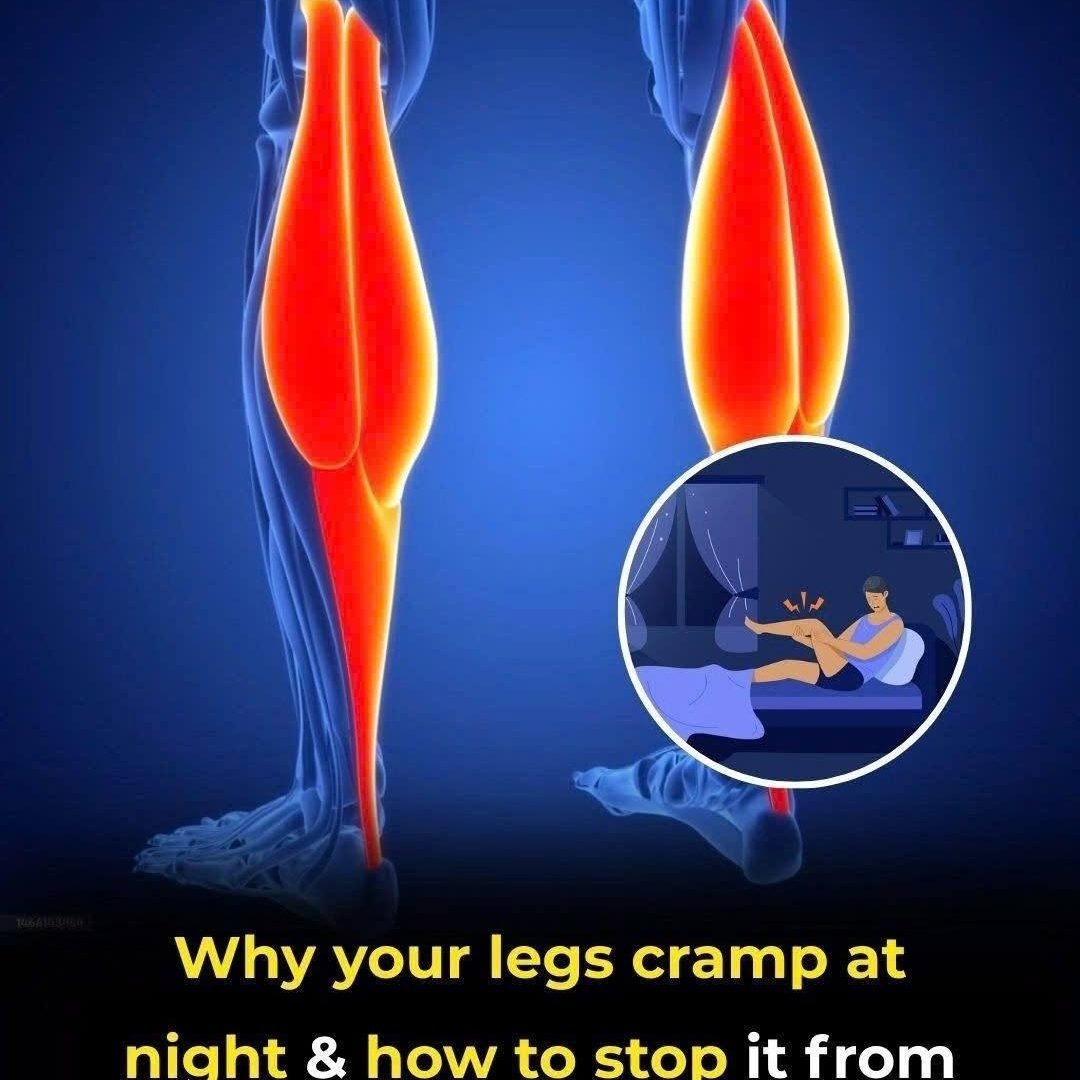
There is nothing quite like the sharp, sudden pain of a leg cramp in the middle of the night. It jolts you awake and leaves you clutching your calf, waiting for the knot to release. Nighttime leg cramps are a common complaint, especially among older adults. The image in your post shows the calf muscles highlighted in red, with a small inset of a person waking up in pain. But what actually causes these cramps, and what can you do to prevent them?
What Is a Nighttime Leg Cramp?
A nighttime leg cramp is a sudden, involuntary contraction of a muscle in your leg, most commonly in the calf. The muscle tightens and cannot relax, causing intense pain that can last from a few seconds to several minutes. You may feel a hard knot in the muscle, and the area may be sore for hours afterward. These cramps can happen to anyone, but they become more common as we age.
Common Causes of Nighttime Leg Cramps
The exact cause of nighttime leg cramps is not always clear, but several factors are known to contribute. Dehydration is a major culprit. When you do not drink enough water, your muscles are more prone to cramping. Electrolyte imbalances, particularly low levels of magnesium, potassium, or calcium, can also trigger cramps. Medications such as diuretics, statins, and certain blood pressure drugs can cause cramps as a side effect. Other contributing factors include poor circulation, nerve compression, and standing or sitting for long periods during the day.
How to Stop a Cramp When It Happens
When a cramp strikes, the first thing to do is stretch the affected muscle. For a calf cramp, sit up in bed and straighten your leg. Flex your foot by pulling your toes toward your head. You can also massage the muscle gently or apply a warm compress to help it relax. Walking around for a few minutes can also help. Once the cramp releases, apply a cold pack to reduce soreness.
How to Prevent Nighttime Leg Cramps
Prevention is the best approach. Stay well hydrated throughout the day, especially in the evening. Make sure you are getting enough magnesium and potassium in your diet. Foods like bananas, leafy greens, nuts, and seeds are great sources. Stretching your calves before bed can also help. A simple stretch involves standing arm’s length from a wall, placing your hands on the wall, and stepping one foot back while keeping the heel on the floor. Hold for 30 seconds and repeat on the other side. Wearing supportive footwear and avoiding excessive alcohol and caffeine can also reduce your risk.
When to See a Doctor
If you experience frequent or severe leg cramps that interfere with your sleep, it is important to see a doctor. They can rule out underlying conditions such as diabetes, thyroid problems, or circulation issues. In some cases, your doctor may recommend a magnesium or potassium supplement or adjust your medications. Do not ignore persistent cramps, as they can sometimes be a sign of a more serious health issue.
Final Thoughts
Nighttime leg cramps are painful and disruptive, but they are often preventable. By staying hydrated, stretching regularly, and ensuring you get enough key nutrients, you can reduce your risk. If cramps persist, talk to your doctor for a proper evaluation. A good night’s sleep is worth protecting.