Nighttime Leg Cramps: Here Is Exactly Why They Happen and Simple Solutions That Really Work
Many people resign themselves to suffering in silence, believing that leg cramps are just an unavoidable part of aging. However, with a better understanding of the underlying causes—ranging from dehydration and electrolyte imbalances to muscle fatigue and poor circulation—you can take proactive steps to keep your nights cramp-free.
This comprehensive guide explores the simple, evidence-based solutions for getting rid of nighttime leg cramps. We will break down the immediate actions to take when a cramp strikes, the long-term prevention strategies to stop them from happening, the critical role of vitamins and minerals, and the red flags that indicate it is time to consult a healthcare professional. By implementing these practical strategies, you can reclaim your sleep and wake up feeling rested and pain-free.
Understanding Nighttime Leg Cramps: The Physiology of Pain
To effectively combat nighttime leg cramps, it helps to understand what is actually happening inside the muscle. A cramp is a sudden, brief, involuntary, and painful contraction of a muscle or a group of muscles. When a muscle cramps, it cannot relax. If you were to touch the affected area during an episode, you would likely feel a hard, tight knot of muscle tissue.
The Mechanism of a Cramp
Muscles move when they receive electrical signals from the nervous system. These signals trigger the release of calcium within the muscle cells, allowing the muscle fibers to slide past one another and contract. For a muscle to relax, calcium must be pumped back into storage, and the electrical signal must cease.
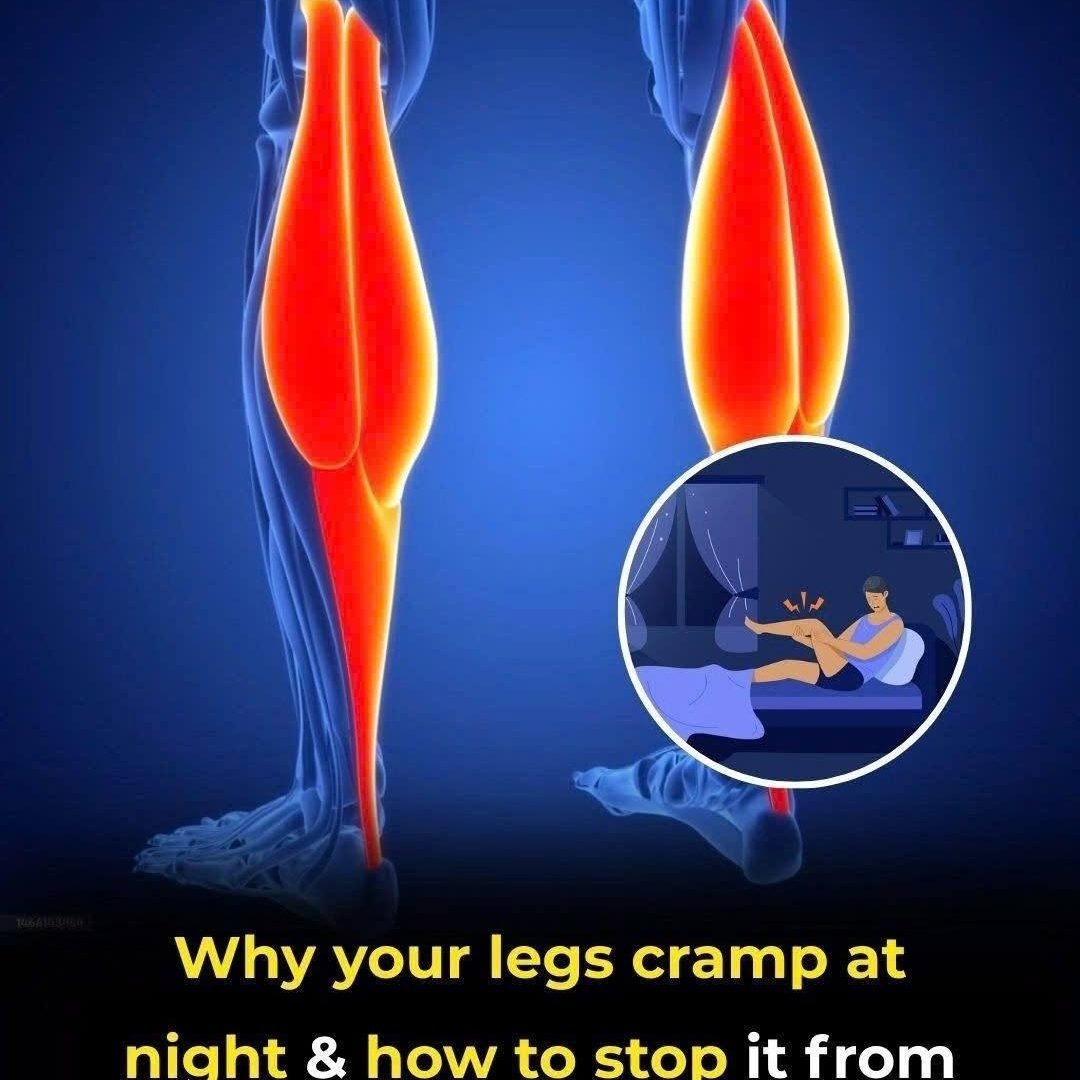
Nighttime leg cramps are most commonly associated with the calf muscles, but they can also affect the feet or thighs. The exact cause of nocturnal cramps is not fully understood, but experts believe it involves a misfiring of the nerve signals that control muscle contraction, often exacerbated by muscle fatigue, nerve dysfunction, or electrolyte imbalances.