Is It Safe to Eat Deli Meat With a Green or Gray Discoloration?
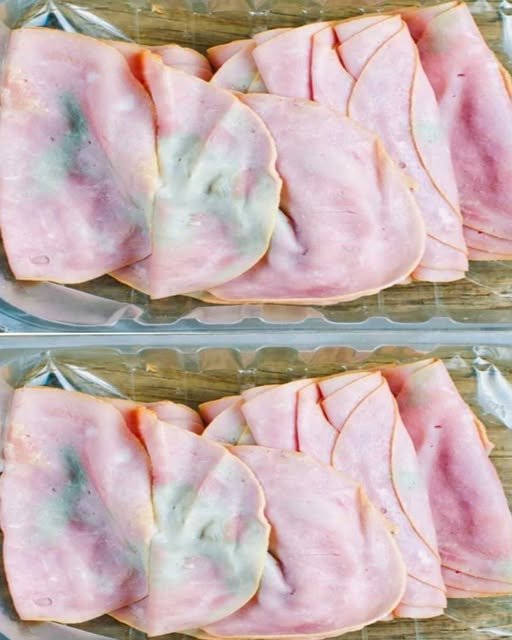
Opening a package of deli meat and finding patches of green, gray, or brown discoloration can be unsettling. Many people wonder whether the meat has gone bad or if it is still safe to eat. In the photo you shared, the sliced ham shows distinct greenish-gray spots, and the question of whether to use it or toss it is a common dilemma. The answer depends on a few key factors, including the cause of the discoloration, the smell, the texture, and how long the meat has been stored.
Why Does Deli Meat Turn Green or Gray?
The most common reason for green or gray spots on deli meat is a chemical reaction rather than spoilage. Nitrates and nitrites are often added to processed meats to preserve color and prevent bacterial growth. When these compounds interact with certain factors, such as exposure to air, light, or bacteria, they can break down and cause the meat to change color. This reaction is often harmless, especially if the meat is still within its expiration date and has been stored properly.
However, discoloration can also be a sign of bacterial growth. If the meat has been left out too long, stored improperly, or is past its prime, bacteria can multiply and cause the meat to turn green, gray, or brown. In these cases, the meat may also develop a slimy texture, an off smell, or a sour taste. Eating spoiled deli meat can lead to food poisoning, so it is important to be cautious.
How to Tell If the Meat Is Still Safe
The first step is to check the expiration date on the package. If the meat is past its use-by date, it is safest to throw it away, regardless of how it looks. If the date is still valid, inspect the meat closely. Look for signs of spoilage beyond the color change. Does the meat feel slimy or sticky? Does it have a sour or unpleasant odor? If so, it is not safe to eat.
If the meat smells normal and feels firm, the discoloration may simply be a harmless reaction. However, even in this case, it is important to use your best judgment. If you are unsure, it is always better to err on the side of caution and discard the meat. The risk of foodborne illness is not worth the cost of a few slices of deli meat.
What to Do With the Meat
If the meat is still safe to eat, you can use it in cooked dishes where the appearance will not be noticeable. For example, you can chop it up and add it to soups, stews, omelets, or casseroles. Cooking the meat thoroughly will kill any bacteria that may be present. However, if the meat looks and smells fine but you are still uncomfortable with the discoloration, you can simply cut away the affected areas and use the rest.
If the meat is spoiled, do not try to salvage it by cooking it. Some bacteria produce toxins that are not destroyed by heat, and eating spoiled meat can make you very sick. Wrap the meat in a plastic bag, seal it, and throw it in the trash. Do not compost it or feed it to pets, as it could harm them as well.
How to Store Deli Meat Properly
To prevent deli meat from spoiling or discoloring too quickly, proper storage is essential. Keep deli meat in the refrigerator at a temperature below 40 degrees Fahrenheit. Once you open the package, consume the meat within three to five days. If you do not plan to eat it within that time, you can freeze it. Wrap the meat tightly in plastic wrap or aluminum foil, place it in a freezer-safe bag, and label it with the date. Frozen deli meat can last for one to two months. When you are ready to eat it, thaw it in the refrigerator overnight.
Conclusion
Finding discolored deli meat can be confusing, but the decision to eat or toss it should be based on more than just appearance. Check the expiration date, smell the meat, and feel its texture. If it smells sour, feels slimy, or is past its prime, throw it away. If it looks slightly discolored but otherwise seems fine, you can use it in cooked dishes. When in doubt, always choose safety over savings. Your health is worth more than a few slices of meat.